
Knowledge Base
Coffee & Tea Guides
Brew better and explore more — buying guides, how-tos, and explainers for every coffee and tea ritual.
Explainer
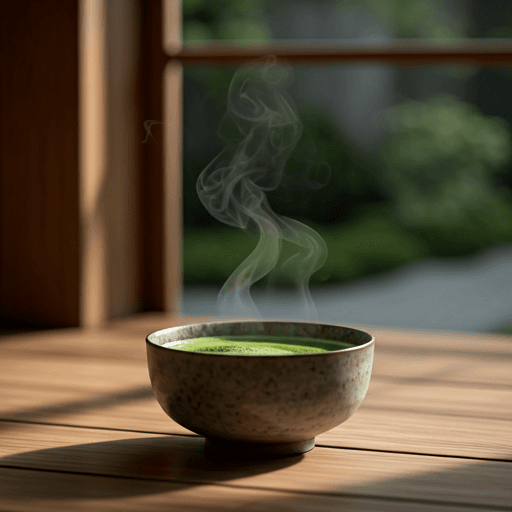
Dilmah Tea, Explained
Dilmah is a family-owned Sri Lankan brand built on single-origin Ceylon tea grown, picked, blended and packed at origin. Here is who founded it, what it makes, how it tastes, and how to brew it well.
Explainer
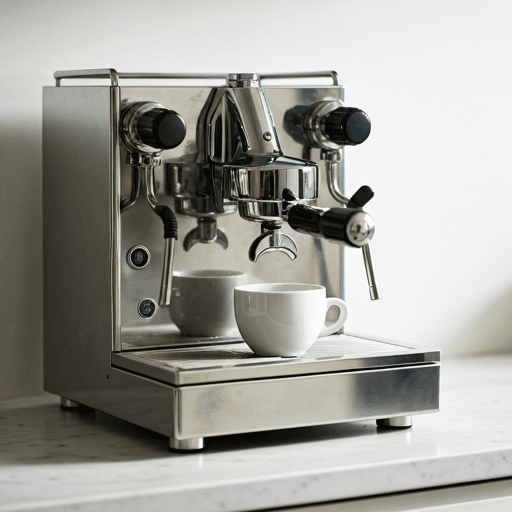
Demitasse Cups, Explained: The Small Cup Behind Every Espresso
A demitasse is the small 2-3 oz cup made for espresso and other short, strong coffees. Here is what it is, how it is sized, what it is made of, and how to choose one.
Explainer
Decaf Tea, Explained
Decaf tea is real tea with most of its caffeine removed, not all of it. Here is what decaffeinated tea is, how it is made, how much caffeine remains, and how decaf differs from naturally caffeine-free herbal tea.
Explainer
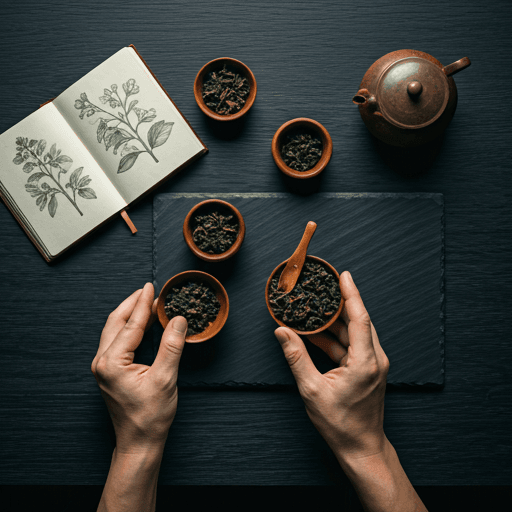
Decaf Green Tea, Explained
What decaf green tea actually is, how it is decaffeinated, what happens to its antioxidants, and how to brew a mild, low-caffeine cup well.
Explainer
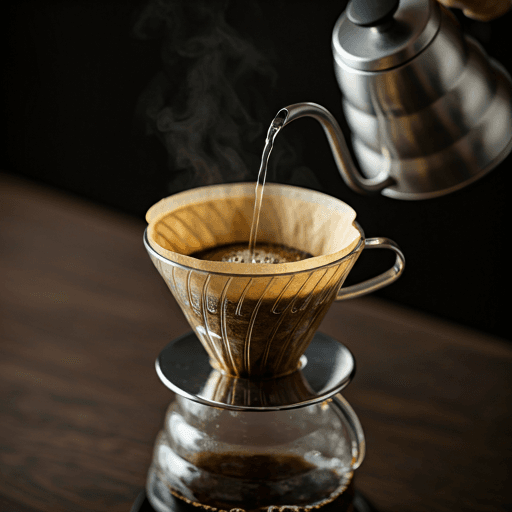
Decaf Espresso, Explained
Decaf espresso is a real espresso shot made from decaffeinated beans, with only a trace of caffeine. Here is how it tastes, how to dial it in, and why people order a decaf shot.
Explainer
Decaf Earl Grey Tea, Explained
Decaf Earl Grey is decaffeinated Earl Grey tea: a black-tea base with the caffeine removed, then scented with bergamot. Here's how it's made, how it tastes, why people drink it, how to brew it well, and the truly caffeine-free rooibos alternative.
Explainer
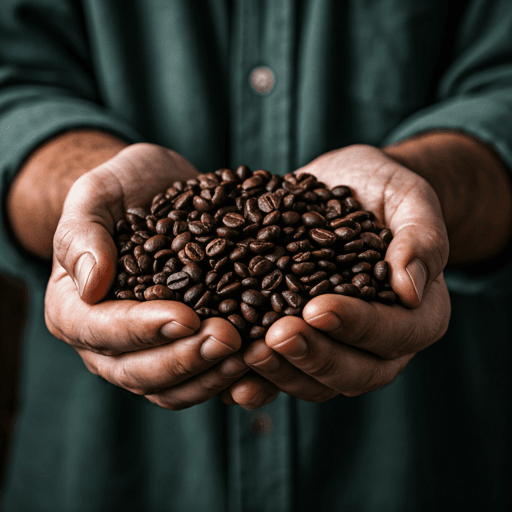
Decaf Coffee Beans, Explained
Decaf coffee beans are real beans with at least 97% of their caffeine removed while still green. Here's how decaffeination works — Swiss Water, CO2, sugarcane EA and solvent — and how to buy, store and brew decaf for the best flavor.
Explainer
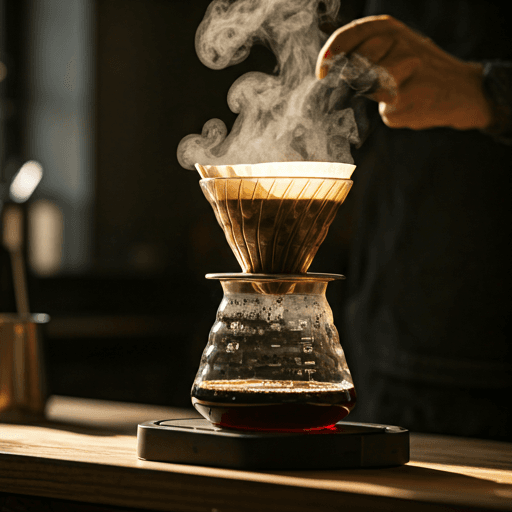
Decaf Coffee and Pregnancy: Is It Safe?
Decaf coffee and pregnancy are an easy match. Decaf is very low-caffeine, not caffeine-free, so it usually fits the moderate caffeine guidance most health bodies suggest. Here is what to know, plus a caffeine comparison table.
Explainer
Death Wish Coffee, Explained
A plain-spoken guide to Death Wish Coffee, the American brand marketed as the world's strongest coffee: who makes it, how a robusta-led dark roast gets so caffeinated, what it tastes like, the formats it comes in, and how to enjoy it responsibly.
Explainer
Davidoff Rich Aroma Coffee, Explained
Davidoff Rich Aroma is a premium freeze-dried 100% Arabica instant coffee with a full-bodied, aromatic cup. Here is what it is, how it tastes, where it sits in the Davidoff range, and how to brew it.
Explainer
Non-Dairy and Dairy-Free Coffee Creamers, Explained
Non-dairy coffee creamers explained: what oat, almond, soy, coconut, cashew and pea bases are made of, why some curdle, which ones froth, and how to choose.
Explainer
Dairy Coffee Creamer Types, Explained
From whole milk and half-and-half to light cream, heavy cream, evaporated and sweetened condensed milk, here is every dairy coffee creamer type, organized by fat level and what each one does to your cup.
Explainer
Da Hong Pao Tea (Big Red Robe), Explained
Da Hong Pao is the famous charcoal-roasted Wuyi rock oolong known as Big Red Robe. Here is what it is, how it tastes, how it is made, and how to brew it.
Explainer
Cute Cafes: What Makes Them Special
Cute cafes win you over with pastel palettes, plants, soft seating and charming little details. Here is what makes them special, where the look comes from, and how to spot one anywhere.
Explainer
A Cup of Coffee: The Meaning of Cup of Joe
A cup of coffee and a cup of joe mean the same thing, but the nickname's origin is unsettled folklore. Here is what the phrase means, why coffee is called joe, and what really counts as a cup.
Explainer
Cuban Espresso and Cafecito, Explained
Cuban espresso (cafecito) is a sweet, dark-roast shot whipped with sugar into a foamy espuma. Here is what it is, plus the colada, cortadito, and cafe con leche family.
Explainer
Crystal Boba, Explained
Crystal boba is the clear, springy bubble tea topping made from agar and konjac, not cassava starch. Here is what it is, how it differs from tapioca, how it tastes, and how to use it.
Explainer
Creatine and Coffee: Can You Mix Them?
Can you mix creatine and coffee? Yes. Here is why the "hot coffee destroys creatine" idea is mostly a myth, what the caffeine question really means, and how to take the two together.
Explainer
Cream Tea, Explained: Scones, Clotted Cream and Jam
A cream tea is the West Country classic of warm scones, thick clotted cream and jam with a pot of tea. Here is what it is, how it differs from a full afternoon tea, the Devon vs Cornwall debate, and how to serve one at home.
Explainer
Counter Culture Coffee, Explained
Counter Culture Coffee is a pioneering American specialty roaster known for transparency reports, direct-trade-style sourcing, single origins, and barista training. Here is who they are and how the model works.
Explainer
Costa Coffee Menu and Prices, Explained
Costa coffee prices follow a simple logic: a base drink, a size tier (primo, medio, massimo) and a few paid extras, flexed by store versus self-serve Costa Express, the country you are in and the Costa Club app. Here is how the Costa Coffee menu and its pricing actually work, explained structurally with no figures to go stale.
Explainer
Corn Silk Tea: Benefits, Uses and How to Brew It
Corn silk tea is a caffeine-free herbal infusion made from the silky threads inside an ear of corn. Here is what it is, its traditional benefits, the cautions that matter, and how to brew it at home.
Explainer
Cometeer Frozen Coffee, Explained: How the Capsules Work
Cometeer is specialty coffee that named roasters brew, then flash-freeze into sealed aluminium capsules of concentrate you keep in the freezer and melt in seconds. Here is how Cometeer frozen coffee works, how it differs from instant coffee and machine pods, and the real trade-offs.
Explainer
Colombian Coffee, Explained: Origin, Flavor and Regions
Colombian coffee is high-grown Andean Arabica, prized for its clean, balanced sweetness. A guide to its origin, flavor, growing regions, the Supremo and Excelso grades, and how to brew it.