
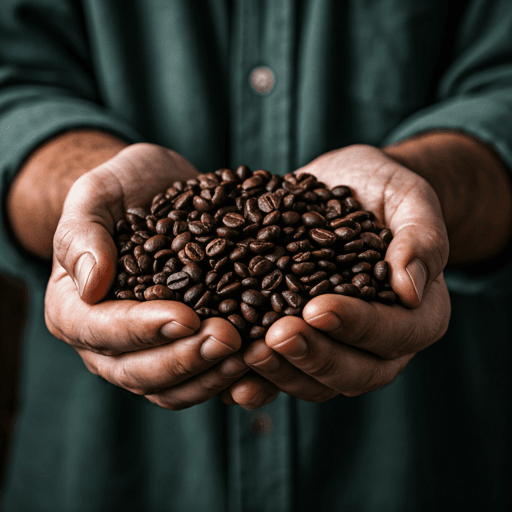
Counter Culture Coffee is a well-known American specialty coffee roaster, founded in 1995 in Durham, North Carolina, and one of the names most often cited when people talk about third-wave and specialty coffee. It is recognized for carefully sourced single-origin coffees and blends, published transparency reports on what it pays for green coffee, direct-trade-style relationships with the farms it buys from, and a network of barista training labs. This guide explains who they are, why they matter, what makes a roaster like this different from a supermarket brand, and how the model fits the wider specialty world.
What is Counter Culture Coffee?
Counter Culture Coffee is an independent roasting company that started in 1995 with custom blends for a handful of restaurants around Durham and Chapel Hill, North Carolina, and grew into one of the larger independent specialty roasters in the United States. It roasts at facilities in Durham and in Emeryville, California, and sells whole-bean coffee to cafes, restaurants, and home brewers, often by subscription. You will see the company referred to by its website and social handle, counterculturecoffee, but the short version most people use is simply Counter Culture.
Crucially, it is a roaster and a coffee company, not a cafe chain. Counter Culture built its reputation less on storefronts and more on sourcing, roasting, and education: buying green coffee thoughtfully, roasting it to highlight where it came from, and teaching baristas how to brew it. If you are new to the category, our explainer on what specialty coffee is sets up the movement this brand helped shape.
Why Counter Culture Coffee is notable
Plenty of companies roast good coffee. A few things made this one a reference point in the specialty world.
Transparency reports
Since 2009, Counter Culture has published an annual transparency report that lays out, in detail, the coffees it bought, where they came from, and what it paid producers. It was the first coffee company to publish this kind of sourcing and price data, and the reports became a model that pushed the wider industry to talk more openly about the gap between commodity coffee prices and what sustainable, high-quality coffee actually costs to grow.
Direct-trade-style sourcing
In 2008 the company launched a third-party-verified Direct Trade certification, setting standards for quality, sustainability, and fairness in how it buys. Rather than purchasing anonymous beans through the commodity market, a roaster working this way builds ongoing relationships with specific farms, cooperatives, and importing partners, often paying well above the commodity rate for traceable lots. That traceability is what lets the bag tell you the country, region, producer, and process.
Barista education and training labs
Counter Culture runs regional training centers in cities across the United States that function as classrooms, cupping labs, and event spaces. They host professional courses on brewing science and barista fundamentals, free public tastings, and home-brew sessions. That investment in education is a hallmark of the specialty approach: a great coffee only reaches the cup if the person brewing it knows what they are doing.
Sustainability
Alongside sourcing, the company has run programs aimed at environmental and social impact at origin and across its own operations, from supplier scorecards to projects supporting producers. These commitments are central to how it presents itself, rather than a marketing add-on.
Specialty coffee roaster vs. a supermarket brand
The clearest way to understand Counter Culture is to compare what a specialty coffee roaster does with how a typical supermarket brand operates. The differences are not just marketing.
- Traceability. A specialty roaster usually tells you the origin country, region, farm or cooperative, varietal, and processing method. A commodity supermarket tin may say only "100% arabica" or nothing about origin at all.
- Sourcing. Specialty beans are bought for quality and relationship, frequently above commodity prices. Mass-market coffee is bought to a price on the open market.
- Roast intent. Specialty roasting aims to highlight a coffee's natural character, so roasts often run lighter to show the fruit, florals, or sweetness of an origin. Big commercial roasts tend to push darker and more uniform to deliver a consistent, familiar taste across huge volumes.
- Freshness. Specialty bags carry a roast date, because coffee is freshest in the weeks after roasting. Supermarket packaging usually shows only a distant best-before date.
- Scale and format. Roasters like this sell in smaller batches, often as whole bean, and lean on subscriptions to deliver coffee close to its roast date.
For a deeper look at the choice itself, our guide to coffee roasters walks through how to pick one, and what makes great coffee beans covers what to look for in the bag.
What Counter Culture Coffee offers
In general terms, the lineup looks like most specialty roasters of its size, organized into a few families rather than a long supermarket aisle.
Rotating single origins
The heart of any specialty roaster is its single-origin coffees, sometimes branded as "Source" coffees here: traceable lots from one country, region, or producer that change with the harvest seasons. A single origin is meant to taste of where it grew, so a washed Colombian or an Ethiopian natural will read very differently in the cup. Our explainer on coffee bean varieties and types explains why origin and varietal change the flavor so much.
Signature blends
Counter Culture is also known for long-running signature blends, built to taste consistent year-round even as the component coffees rotate. Names such as Hologram and Big Trouble have been on the menu for years, designed as approachable, repeatable everyday coffees and as reliable espresso bases. A blend trades a little seasonal surprise for dependability.
Espresso-focused and decaf options
Like most specialty roasters, the range includes coffees chosen to perform well as espresso as well as filter, plus a quality decaf for people who want the cup without the caffeine. Almost everything is sold as whole bean so it can be ground fresh.
Subscriptions
Because freshness matters, much of the model runs on subscriptions that ship coffee shortly after roasting on a schedule you set, a common pattern across the specialty category.
| What to know | Detail |
|---|---|
| What it is | An American specialty coffee roaster (not a cafe chain) |
| Founded | 1995, in Durham, North Carolina |
| Known for | Transparency reports, direct-trade-style sourcing, barista training labs |
| Coffee range | Rotating single origins, signature blends, espresso and decaf options |
| Roast style | Specialty-leaning, roasted to highlight origin character |
| How you buy | Whole bean, often by subscription, with a roast date on the bag |
| Why it matters | An early, influential voice for transparency and sustainability in coffee |
How the model fits the wider specialty world
Counter Culture is a useful example because it embodies the values that define third-wave and specialty coffee: treating coffee as a craft product with a place of origin, paying attention to the people who grow it, being open about price and sourcing, and roasting to reveal flavor rather than flatten it. Those ideas now show up far beyond any single company, from small neighborhood roasters to large chains that publish their own origin information.
You do not have to buy from this particular roaster to use it as a benchmark. The signals that make Counter Culture recognizable, a roast date, a named origin, clear sourcing language, and lighter roasts that show off a coffee's character, are exactly the things to look for in any specialty bag, wherever you are in the world. Reading them well is the difference between buying coffee and choosing it.
The bottom line
Counter Culture Coffee is a pioneering specialty roaster whose real influence has been on how coffee is sourced and talked about: publish what you pay, build relationships with farms, roast to honor the origin, and teach people to brew it well. Whether or not you ever try one of its bags, those are the same questions worth asking of any roaster. From here, it is worth comparing how different origins taste and learning what separates great green coffee from the commodity stuff, so the next bag you pick up tells you a real story.