
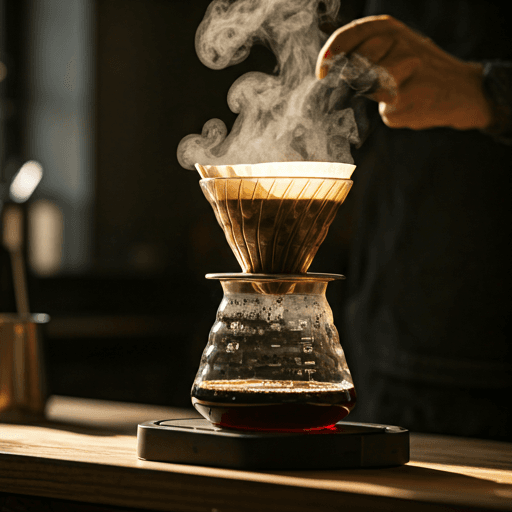
Coffee & Tea Culture
The art of the perfect cup
Brewing science, origins, and culture — for everyone who loves coffee.
From bean to cup — the story of coffee
Coffee's journey spans continents and centuries. From the highlands of Ethiopia to the lush estates of South America, every origin brings its own flavour story. Understanding where your coffee comes from transforms every sip.
Brewing Science
Understand your brew
Whether you pull espresso shots, pour a V60, or love masala chai's close cousin — the fundamentals of extraction, water chemistry, and roast profiles apply everywhere.
Espresso & Extraction
Pressure, grind size, and dose — the three levers that define every espresso shot. Learn what each variable does and how to dial in your extraction.
Filter & Pour-Over
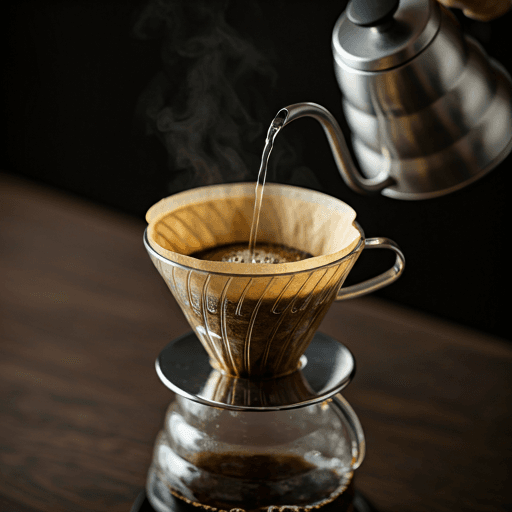
From Chemex to Hario V60, manual brewing rewards patience. Explore brew ratios, water temperature, and pouring technique for a cleaner, brighter cup.
Origins & Terroir
Ethiopia, Colombia, Coorg, Chikmagalur — every growing region imprints its climate and altitude onto the bean. Discover what makes each origin unique.
From the Guides
Latest coffee guides
Fresh brewing how-tos, buying guides, and explainers — straight from our coffee knowledge base.
Explainer
Coffee Creamers: The Complete Guide to Types and Choosing
A clear, no-nonsense guide to coffee creamers: dairy vs plant-based, liquid vs powdered, flavored options, what those "coffee mates" actually contain, and how to choose the right one for your cup.
Explainer
Costa Coffee: The Story Behind the Brand, Explained
Costa Coffee began in 1971 as a London coffee-roasting business run by two Italian brothers. Today it is the world's second-largest coffee chain, owned by Coca-Cola. Here is the full story, the signature blend, the drinks Costa is known for, and where it operates.
Explainer
Starbucks Frappuccino Explained: Java Chip & Top Blended Drinks
A Starbucks Frappuccino is the blended ice-cold drink line, Coffee base or caffeine-free Crème base. Here is the full menu, every flavour and the sizes.
Buying Guide
Best Espresso Machine in India: What They Really Cost in 2026
Verified August 2026 India prices across every segment, the specs nobody localises, and the brands that actually have service here — plus why the machine topping global shortlists is a bad buy in India.
Buying Guide
Premium Coffee Brands: Davidoff, Bevzilla & Highbrew Reviewed
An honest buying guide to three popular premium instant coffees — Davidoff, Bevzilla and Highbrew — with real variants and taste notes to help you choose.
Explainer
Hurricanes and Coffee: When the Hillside Is the Casualty
Frost, drought and hail damage the plant. A tropical cyclone damages the place: the soil, the terraces, the track to the mill.
Explainer
Hail Damage in Coffee: Minutes of Weather, Years of Consequence
A hailstorm can flatten one coffee block and leave the farm over the ridge untouched — and what it strips off in minutes is rarely the part that matters most.
Explainer
Coffee Drought Stress: What a Dry Year Does to the Tree
A dry season rarely takes the crop on the branch. It takes the one after it, and why that happens explains how coffee flowers, why harvests alternate, and what shade and mulch can and cannot do.
Explainer
El Niño, La Niña and Coffee: One Ocean, Opposite Effects
A frost hits one country. A hailstorm hits one farm. This one reaches every producing region at once, and pushes them in opposite directions, which is why bad for coffee is the wrong summary.
Frequently asked questions
- What is the difference between espresso and filter coffee?
- Espresso uses high pressure (9 bar) to force hot water through finely ground coffee in about 25–30 seconds, producing a concentrated, syrupy shot with crema. Filter coffee — drip, pour-over, or batch brew — uses gravity and a longer brew time (3–5 minutes) at a coarser grind, yielding a lighter, brighter cup that highlights origin flavours.
- What is South Indian filter coffee?
- South Indian filter coffee (also called degree coffee or Madras coffee) is brewed in a stainless steel double-tumbler filter by slowly dripping hot water through coarsely ground coffee mixed with chicory. The dark, strong decoction is then blended with hot milk and sugar and poured between tumblers to create a frothy, aromatic cup — a beloved ritual across Tamil Nadu, Karnataka, and Kerala.
- How does roast level affect coffee flavour?
- Light roasts retain more of the bean's origin character — floral, fruity, and acidic notes. Medium roasts develop sweetness and balance while keeping some brightness. Dark roasts emphasise body and bitterness, with roast-derived chocolatey or smoky notes that can mask origin flavours. For filter brewing, light-to-medium roasts often shine; for espresso, medium-to-dark is more traditional.
- What grind size should I use for different brew methods?
- Grind size determines how quickly water extracts from the coffee. Use extra-fine for Turkish coffee, fine for espresso, medium-fine for pour-over (V60/Chemex), medium for drip machines, medium-coarse for Aeropress, and coarse for French press or cold brew. A consistent burr grinder makes a bigger difference than the brewer itself.
- What water temperature is best for brewing coffee?
- The Specialty Coffee Association recommends 90–96 °C (195–205 °F) for most brewing methods. Boiling water (100 °C) over-extracts, producing bitterness, while water below 88 °C under-extracts, producing sourness. For espresso machines, the boiler is typically set to 93–94 °C at the group head.