
Coffee & Tea Culture
Reconnect with the Ritual.
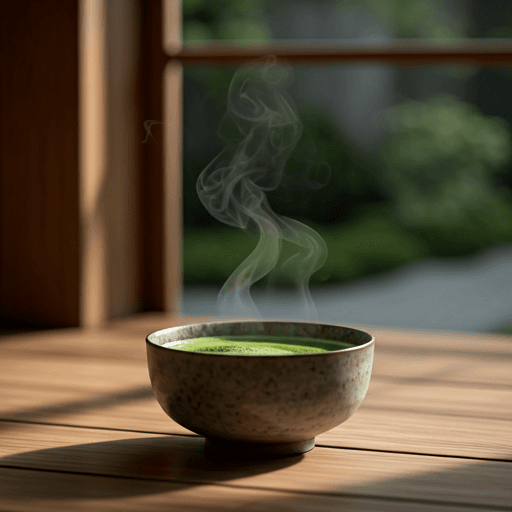
From the meditative stillness of a Japanese tea ceremony to the vibrant spice of masala chai — tea is the world's most shared ritual. Explore the leaves, the cultures, and the science behind every cup.
Why Coffee & Tea Culture
The Science of the Perfect Steep
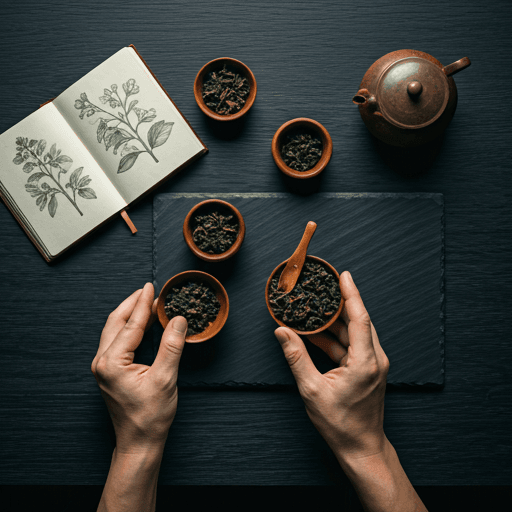
True tea appreciation begins with precision. Water temperature, steep time, and leaf quality each play a critical role — a few degrees or seconds can shift a cup from astringent to sublime. Whether you're exploring single-origin Darjeeling, ceremonial-grade matcha, or a robust Assam breakfast blend, the fundamentals of steeping science unlock every leaf's potential.
Tea Knowledge
Explore the world of tea
Tea is more than a drink — it's a window into history, agriculture, and ritual. From the misty hills of Darjeeling to the tea houses of Kyoto, each tradition reveals something new.

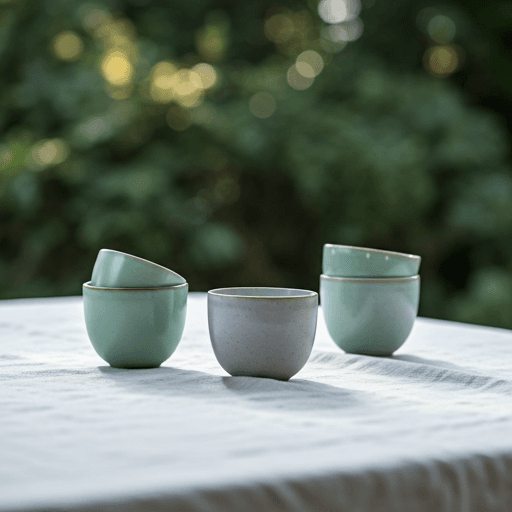
Leaf Types & Processing
Green, white, oolong, black, and pu-erh — all from the same plant, Camellia sinensis. Discover how oxidation and processing transforms the same leaf into wildly different flavour profiles.
Steeping Science
Water temperature, steep time, and leaf-to-water ratio shape every cup. Green teas thrive at 70–80 °C; black teas open at 95 °C. Learn the variables that separate a good cup from a great one.
Chai & Masala Culture
Masala chai — a spiced milk tea of Assam CTC leaves, ginger, cardamom, and cinnamon — is one of the world's most beloved daily rituals. Explore its regional variations and the spice science behind it.
From the Guides
Latest tea guides
Fresh steeping how-tos, leaf explainers, and brewing guides — straight from our tea knowledge base.
Explainer
What Is High Tea? Meaning, Menu and How to Host One
High tea explained: what it really means, how it differs from afternoon tea, a sample menu, and a simple plan to host one at home.
Explainer
Drought and Tea: Why the Flush Stops Instead of Shrinking
Tea is plucked continuously, so a dry spell does not damage the crop — it removes the weeks in which the crop would have grown. Inside the mechanism, from banjhi buds to the surge when the rain finally returns.
Explainer
Frost and Tea: Why the Bush Survives but the Flush Does Not
The bush is hardy and the crop is not, so a tea garden's whole frost risk lands on a few clear, still nights in spring — and on the year's earliest picking.
Explainer
Shot Hole Borer: The Beetle That Farms Fungus Inside Tea
A tiny ambrosia beetle riddles tea stems with round holes and never touches the wood. What it is actually doing in there, why the damage lands on the bush's permanent frame rather than the harvest, and why its name keeps changing.
Explainer
Tea Root Disease: The Problem You Only See From Above
A tea bush that wilts overnight while its neighbours thrive is rarely a weather story. The fungi responsible live in the stumps and roots left behind when the land was cleared, and they turn one dead plant into a bare patch that widens for years.
Explainer
The Tea Green Leafhopper: Pest and Ingredient at Once
A pale green jassid stunts tea shoots and shrinks the harvest — and the same bite is courted on purpose by makers of honey-scented oolongs. How one insect became both a pest and an ingredient, and why its name is still being tidied.
Explainer
Grey Blight: The Tea Disease That Follows the Plucker
A fungal leaf disease that cannot break in on its own - so it waits for the openings that plucking, shearing and pruning cut into a tea bush every few days, for decades.
Explainer
Tea Red Spider Mite: The Pest That Arrives With Dry Weather
Most tea troubles arrive with cloud and rain. This one arrives with heat, sun and roadside dust — and works on the mature leaf nobody plucks, which is exactly why it goes unnoticed until a whole section has turned bronze.
Explainer
The Tea Mosquito Bug: Small Insect, Outsized Damage
A small bug in the genus Helopeltis feeds on the youngest tea shoots and leaves damage far bigger than itself, because the blackened lesions are the plant's own reaction rather than anything the insect ate. Here is what it is, what it does to a shoot, and how growers live with it.
Frequently asked questions
- What is the difference between green tea and black tea?
- Both green and black tea come from the same plant, Camellia sinensis. The key difference is oxidation. Green tea leaves are quickly heated (steamed or pan-fired) after picking to halt oxidation, preserving their green colour and grassy, vegetal, or umami-like flavours. Black tea leaves are fully oxidised, turning dark and developing richer, maltier, and more robust flavour profiles.
- What water temperature should I use for different teas?
- Water temperature is critical. Delicate green and white teas require 70–80 °C to avoid releasing bitter tannins. Oolong teas steep well at 80–90 °C. Black teas and chai blends benefit from fully boiling water at 95–100 °C to extract their full body and malt. Using a temperature-controlled kettle makes a noticeable difference.
- What makes masala chai different from regular tea?
- Masala chai is a spiced milk tea traditionally made with strong Assam CTC black tea leaves simmered with a blend of whole spices — typically ginger, cardamom, cinnamon, cloves, and black pepper — then mixed with milk and sweetened with sugar. The simmering process extracts both tea tannins and spice oils simultaneously, creating a richer, more complex cup than a standard steeped tea.
- How long should I steep tea?
- Steep times depend on the tea type: white tea 2–5 minutes; green tea 1–3 minutes; oolong 2–4 minutes; black tea 3–5 minutes; herbal tisanes 5–7 minutes. Over-steeping releases excess tannins, causing bitterness. Start at the lower end of the range and adjust to your taste preference.
- What is single-origin tea?
- Single-origin tea comes from one specific estate, garden, or region rather than a blend of multiple sources. This allows the unique terroir — the soil, altitude, climate, and seasonal flush — to express itself in the cup. Darjeeling first flush, Assam second flush, and high-grown Ceylon teas are popular examples celebrated for their distinct characters.