
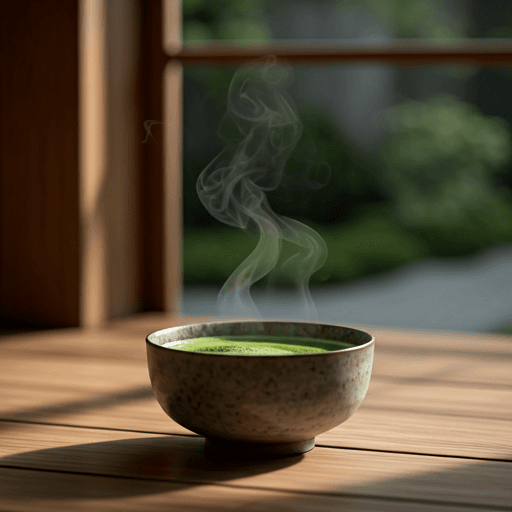
Learning how to make tea well comes down to four things you control: the leaf, the water, the temperature, and the time. Boil fresh water, use roughly one teaspoon of leaves (or one bag) per cup, pour it over at the right temperature for your tea type, steep for the recommended minutes, then lift out the leaves. Get those right and almost any tea tastes better. This guide walks you through each step, then points you to deeper guides when you want to go further.
It is the question every tea drinker starts with: how do I brew a cup that tastes like the one I actually want, rather than something thin or bitter? The answer is mostly about matching temperature and time to the tea in front of you. Below we cover the essentials in order, with a quick-reference table you can come back to.
How to make tea: the four things that matter
Whether you are brewing a humble bag or a fine loose leaf, the same four levers decide the result.
- The leaf. Fresh, well-stored tea makes a better cup than tea that has sat open for a year. Buy what you will drink within a few months and keep it sealed, cool, dark, and away from strong smells.
- The water. Tea is mostly water, so use fresh, good-tasting water. Filtered water helps if your tap water is heavily chlorinated or very hard. Bring it to a rolling boil, then let it cool to the right temperature if needed.
- The temperature. This is the lever beginners most often get wrong. Delicate teas want cooler water; robust teas want a full boil. More on that below.
- The time. Steep too briefly and the cup is weak; steep too long and tannins make it bitter and drying. Use a timer until it becomes instinct.
Master these and the rest is preference. The same leaf can give you a light, fragrant cup or a strong, bracing one depending only on how you treat it.
Tea bags vs loose leaf: which should a beginner use?
Both make a perfectly good cup. The honest difference is leaf quality and room to expand.
Tea bags are fast, tidy, and pre-portioned, which makes them ideal for everyday mugs and travel. Traditional small paper bags usually hold finely broken leaf (called fannings or dust), which brews quickly and strongly but can turn bitter if you forget it. Larger pyramid bags often hold better, broken-leaf tea with more space to unfurl.
Loose leaf gives whole or large-piece leaves room to open fully, which generally means more nuanced flavor and the ability to re-steep good teas two or three times. You will need an infuser, a teapot with a strainer, or a simple basket, but nothing expensive. If you are curious, our guide on how to brew loose leaf tea walks through ratios, infusers, and multiple steeps in detail.
A reasonable plan: keep good bags for convenience, and try one or two loose-leaf teas you genuinely like. You do not have to choose a side.
Water temperature by tea type
This is the single biggest upgrade most beginners can make. Pouring water that is too hot over green or white tea scorches the leaf and makes it bitter; water that is too cool leaves black tea flat and underdeveloped. If you have a variable-temperature kettle, use it. If not, boil the water and let it sit and cool for the gentler teas — roughly 30 seconds off the boil drops it noticeably. The full map of what each type actually is lives in types of tea explained, covering green, black, oolong, white, and more.
| Tea type | Water temperature | Steep time |
|---|---|---|
| Green tea | About 75-80°C / 170-180°F (steaming, not boiling) | 1-3 minutes |
| White tea | About 80-85°C / 175-185°F | 1-3 minutes (often longer for whole-leaf) |
| Oolong tea | About 90°C / 190-200°F (just below boiling) | 3-5 minutes |
| Black tea | Full boil, 100°C / 212°F | 3-5 minutes |
| Herbal & fruit infusions | Full boil, 100°C / 212°F | 5-7 minutes |
These are starting points, not laws. Taste as you go and adjust to your liking. Tightly rolled oolongs need the longer end of their range to unfurl, while broken black teas can hit full strength faster than whole-leaf ones. When in doubt, steep a little short, taste, and give it another minute if the cup is too light.
How do you make tea, step by step
Here is the basic method that works for a single mug or a small pot. Scale the leaf and water together.
- Boil fresh water. Fill the kettle with cold, fresh water and bring it to a rolling boil. Reboiled, stale water tastes flat.
- Warm the pot or cup (optional but nice). Swirl a little hot water inside, then tip it out. This keeps your brew at temperature.
- Measure the tea. Use one bag, or about one level teaspoon (roughly 2 grams) of loose leaf per cup. Add a little extra for a large mug.
- Bring the water to temperature. Use the table above. For green or white tea, let the boiled water cool for around 30-60 seconds first.
- Pour and steep. Pour the water over the leaves and start a timer. Cover the pot or cup to hold the heat.
- Remove the leaves on time. Lift out the bag or infuser the moment the timer ends. Leaving leaves sitting in the water is the most common cause of a bitter cup.
- Finish to taste. Add milk, sugar, lemon, or nothing at all — covered next.
People often ask how to make tea without any special gear, and the answer is you barely need any. A kettle and a strainer, or even a fork to fish out leaves, will do. The technique matters far more than the equipment.
Milk, sugar, lemon: finishing your cup
How you finish a cup is personal, but a few conventions help.
- Milk suits strong black teas like English Breakfast, Assam, and most builder-style brews. It softens tannins and rounds out the flavor. Delicate greens, oolongs, and most herbal teas are usually served without milk.
- Sugar or honey is entirely your call. Add it gradually and taste — it is easier to add than remove.
- Lemon brightens black tea and many herbal infusions. Note that lemon and milk do not mix in the same cup; the acid will curdle the milk, so pick one.
If you take milk, whether to add it before or after the water is a long-running friendly debate. Pouring tea onto milk (milk first) was historically gentler on fragile cups; pouring milk into brewed tea lets you judge the color. Both taste fine — do what you prefer.
Common tea-making mistakes to avoid
Most disappointing cups come down to a handful of fixable habits.
- Water too hot for delicate tea. Boiling water scorches green and white tea. Let it cool first.
- Over-steeping. Leaving the bag or leaves in \"to make it stronger\" mostly makes it bitter and astringent. To make tea stronger, use more leaf, not more time.
- Stale or reboiled water. Flat water makes flat tea. Start fresh.
- Too little leaf. A single bag in a giant mug brews weak. Match the leaf to the water volume.
- Squeezing the bag hard. Wringing out a tea bag pushes bitter tannins into the cup. A gentle lift is enough.
- Old, badly stored tea. Tea fades. Keep it sealed and use it while it is fresh.
One quick fix for a cup that came out bitter: next time, drop the water temperature a touch and cut the steep by a minute. Small changes make a big difference.
Where to go from here
Once the basics feel natural, tea opens up. Cold drinks are a great next step — our guide on how to make iced tea covers the hot-brew-then-chill method, cold brew, sweet tea, and the trick for fixing cloudy tea. And when you want to make an occasion of it, how to make afternoon tea at home walks through scones, sandwiches, the tiered stand, and which tea to pour.
Making tea is one of the most forgiving skills in the kitchen. There is no single \"right\" cup — only the one that tastes right to you. Start with the table above, pay attention to temperature and time, and adjust from there. Keep exploring, brew often, and you will quickly learn what you love.