
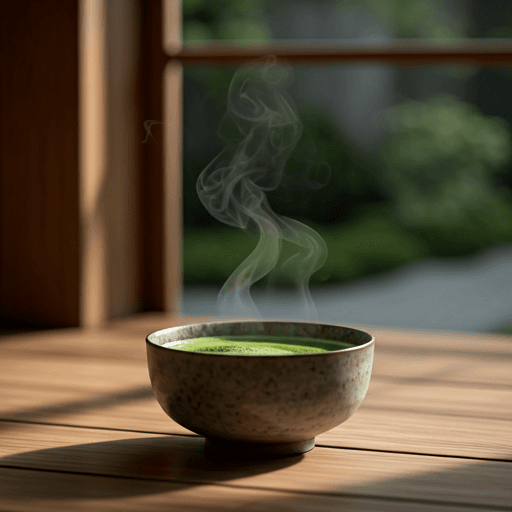
There are six "true" types of tea, and they all come from one plant. Black, green, white, oolong, yellow and pu-erh (dark) tea are made from the leaves of Camellia sinensis. What separates them is not the plant but the processing, above all how much the leaves are allowed to oxidise. Everything else people call tea, from chamomile to peppermint, is technically a herbal infusion, or tisane. This guide maps every kind so you can tell them apart and brew each one well.
Once you understand that single idea, the whole world of tea gets simpler. The different teas on a shop shelf are mostly the same leaf treated in different ways. Below we walk through the major tea types, the one variable that defines them, and how to get a good cup out of each.
The one idea behind all types of tea: oxidation
When a tea leaf is picked, bruised or rolled, enzymes inside it react with oxygen in the air. It is the same browning you see when you cut an apple and leave it out. Tea makers control this reaction with timing, heat, withering and rolling, and that control is what creates the categories.
- Stop oxidation almost immediately with heat and you get green tea.
- Allow only minimal, natural oxidation and you get white tea.
- Add a brief, sealed "yellowing" step and you get yellow tea.
- Let the leaf oxidise partway, then stop it and you get oolong.
- Let the leaf oxidise fully and you get black tea.
- Age and microbially ferment the leaf and you get pu-erh (dark) tea.
That is the spectrum. Light, fresh and vegetal at one end; dark, malty and robust at the other. Oxidation also drives colour, which is why lightly worked teas brew pale gold and heavily oxidised teas brew deep amber to red-brown. Keep this in mind and the rest of the tea types fall into place.
The six true teas compared
Here is the quick map of the main tea types, ranked roughly by how much the leaf is oxidised. Treat the brewing numbers as starting points, not laws: leaf quality, your kettle and your taste all matter.
| Type | Oxidation | Typical flavour | Water temp | Steep time |
|---|---|---|---|---|
| White | Minimal | Delicate, soft, floral, sweet | About 70-85C (160-185F) | 4-5 min |
| Green | None (heat-stopped) | Fresh, grassy, vegetal, sometimes nutty | About 80-85C (175-185F) | 1-3 min |
| Yellow | Slight (sealed yellowing) | Mellow, smooth, less grassy than green | About 80-85C (175-185F) | 2-3 min |
| Oolong | Partial (roughly 15-85%) | Wide range: floral and creamy to roasted | About 85-95C (185-205F) | 3-5 min |
| Black | Full | Bold, malty, brisk, sometimes fruity | About 95-100C (200-212F) | 3-5 min |
| Pu-erh (dark) | Fermented and aged | Earthy, smooth, deep, mellow | About 95-100C (200-212F) | 2-5 min (rinse first) |
All six contain caffeine because they all contain the tea plant. The amount varies by leaf, processing and brew, so "green tea has no caffeine" is a myth. If you want a genuinely caffeine-free cup, you want a herbal tisane, covered further down.
White tea
White tea is the least processed of all the true teas. The young leaves and buds are simply withered and dried, with only the light, natural oxidation that happens along the way. The result is delicate and gently sweet, with soft floral notes. Because it is so subtle, white tea rewards cooler water and a bit of patience; boiling water can scorch it and flatten the flavour. Famous styles include Silver Needle (buds only) and White Peony.
Green tea
Green tea is fixed with heat very soon after picking, which stops oxidation in its tracks and locks in that fresh, leafy character. Chinese green teas are often pan-fired, giving toasty, nutty notes; Japanese green teas are usually steamed, giving a brighter, more savoury, almost seaweed-like taste. Matcha is a special case: shade-grown leaves ground into a fine powder and whisked into water rather than steeped. Green tea turns bitter fast, so use water below the boil and short steeps. For more on the powdered kind, see our guide to matcha and our complete green tea guide.
Yellow tea
Yellow tea is rare and a little mysterious. It is made much like green tea, but with an extra "sealing yellowing" step where the warm, damp leaves are wrapped and rested. That slow, gentle phase smooths out the sharper, grassier edges of green tea and leaves something mellow and rounded. Because production is small and labour-intensive, yellow tea is the type you are least likely to stumble across on a supermarket shelf.
Oolong tea
Oolong sits in the huge middle ground between green and black, partially oxidised anywhere from roughly 15% to 85%. That range is why oolong is less a single flavour and more a category of its own. Lighter, greener oolongs can be intensely floral and creamy; darker, roasted oolongs lean toward toffee, honey and stone fruit. Oolongs are also famous for standing up to multiple infusions, with the same leaves giving several distinct cups across a session.
Black tea
Black tea is fully oxidised, which gives it the deepest colour and the boldest, maltiest taste of the leaf-based teas. It is the world's most-consumed type and the backbone of most breakfast blends, iced tea and milk-and-sugar drinking. Regional black teas vary widely: brisk and bright, malty and full, or delicately fruity. It holds up to milk, takes near-boiling water, and is the base for spiced tea drinks. If spiced, milky black tea is your thing, read what chai actually is and how to make masala chai at home.
Pu-erh and dark tea
Pu-erh is the odd one out. Where the other five teas are about oxidation, pu-erh is about true fermentation, with microbes working on the leaf over time. "Raw" (sheng) pu-erh is pressed and aged slowly over years; "ripe" (shou) pu-erh is processed to speed that ageing up. The taste is earthy, smooth and deep rather than bright. Dark teas are usually rinsed with a quick splash of hot water before the first real steep, both to wake up the leaf and to rinse off storage dust.
Herbal teas (tisanes): not technically tea
Here is the honest catch. Chamomile, peppermint, rooibos, hibiscus and ginger are all commonly called tea, but none of them contain Camellia sinensis. The correct word is tisane, an infusion of herbs, flowers, fruit, roots or spices. They are their own world, and one of the reasons people love them is that they are naturally caffeine-free (unless deliberately blended with a stimulating plant like yerba mate or guarana).
| Tisane | Made from | Character | Often chosen for |
|---|---|---|---|
| Chamomile | Dried flowers | Soft, apple-like, gently sweet | Winding down in the evening |
| Peppermint | Mint leaves | Cool, sharp, refreshing | After-meal sipping |
| Rooibos | South African red bush | Nutty, naturally sweet, smooth | A warm, caffeine-free everyday cup |
| Hibiscus | Dried flowers | Tart, bright, cranberry-like, deep red | Iced and tangy drinks |
| Ginger | Root | Warming, spicy, pungent | A cosy, bracing cup |
Because tisanes have no tannins to turn bitter, most can take fully boiling water and a longer steep without going harsh, so many are quite forgiving to brew. For a deeper look, see our herbal tea guide and the tea hub for everything else we have.
How to choose between the different teas
You do not need to memorise the whole spectrum to drink well. A few simple questions narrow it down fast.
- Want fresh and light? Reach for white or green tea, brewed with cooler water and short steeps.
- Want bold and warming, maybe with milk? Black tea is your default, and the base for chai.
- Want something complex to sit with? Oolong and pu-erh both reward slow, repeated brewing.
- Want zero caffeine? Go to a herbal tisane such as rooibos, chamomile or peppermint.
- Want a ceremonial, energising green? Try matcha, the whisked powdered green tea.
A few habits that improve every cup
Whatever the type, three things make the biggest difference: water temperature, steep time and leaf quality. Delicate teas (white, green, yellow) want water below the boil; robust teas (black, pu-erh) want it hotter. Pull or strain the leaves the moment your timer ends, because oversteeping is what makes tea bitter. And loose leaf, given room to unfurl, almost always beats a tightly packed bag of the same grade.
Where to go next
The big takeaway is reassuring: most kinds of tea are the same leaf, simply handled with more or less oxidation, and tisanes are a separate, caffeine-free family alongside them. Once that clicks, exploring the different teas becomes a pleasure rather than a guessing game. From here, you might dig into a specific style with our black tea guide, learn the powdered-green ritual in our matcha guide, or wander the wider tea hub and brew your way through the spectrum one cup at a time.