
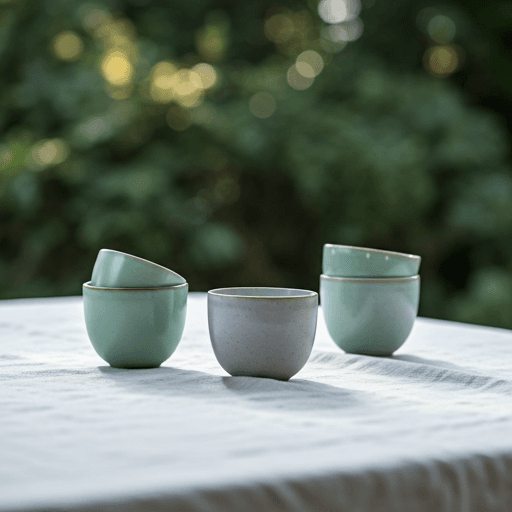
Matcha is a finely stone-ground powder made from shade-grown Japanese green tea leaves. Unlike a normal cup of green tea, where you steep the leaves and throw them away, with matcha you whisk the whole powdered leaf into hot water and drink it - so you take in more of the leaf itself. That bright green colour, the smooth foam and the gentle, sustained energy are exactly why matcha tea has gone from a niche Japanese ritual to the drink defining modern cafe menus across India.
If you have seen the word everywhere lately - on Instagram, on a Bandra cafe board, written as matcha tee on an imported tin - and quietly wondered what it actually is, this guide is for you. We will keep it plain: what matcha is, how it differs from green tea, the grades that matter when you buy, honest notes on health, what it costs in India, and how to make a good cup at home without any fancy equipment.
What is matcha, exactly?
Matcha comes from the same plant as all tea - Camellia sinensis. What makes it different is how it is grown and processed. For the last few weeks before harvest, the tea bushes are covered with shade cloth. Starved of direct sun, the plant produces more chlorophyll (hence the vivid green) and more of an amino acid called L-theanine, which gives matcha its savoury, almost creamy flavour and its famously calm-but-alert feeling.
After harvest, the leaves are steamed, dried, and the stems and veins are removed, leaving a delicate leaf flake called tencha. That tencha is then slowly stone-ground into the fine, talcum-soft powder you buy. Because you consume the entire leaf rather than an infusion, a single cup delivers a more concentrated drink than a teabag ever could.
Matcha vs regular green tea: the simple version
| Feature | Matcha | Regular green tea |
|---|---|---|
| Form | Fine powder (whole leaf) | Loose leaf or teabag (steeped, then discarded) |
| Growing | Shade-grown before harvest | Usually full sun |
| How you drink it | Whisked into water/milk, leaf and all | Infused, leaf removed |
| Colour & taste | Bright green, smooth, savoury-sweet | Pale green-gold, lighter, sometimes grassy |
| Caffeine per cup | Higher, but paired with L-theanine for steadier energy | Lower, milder lift |
If you want a fuller comparison of leaf teas, our complete guide to green tea in India covers brewing temperatures, types and storage in more depth.
Ceremonial vs culinary matcha: which grade to buy
This is the single most useful thing for a beginner to understand, because it decides both taste and price. Matcha is broadly sold in two grades.
- Ceremonial grade - made from the youngest, first-harvest leaves with stems and veins fully removed. It is the smoothest, brightest and most naturally sweet. It is meant to be whisked with just water and sipped on its own. This is what you want if you plan to drink matcha straight (called usucha).
- Culinary grade - made from slightly more mature leaves and blended for a stronger, more robust flavour that can stand up to milk and sugar. It can taste a touch more bitter on its own, which is exactly why it works so well in a matcha latte, a smoothie, or baking. For most people starting out, culinary grade is the practical, value-for-money choice.
A simple rule: if you are making lattes and iced drinks - which is how the vast majority of Indians first fall for matcha - a good culinary grade is perfect and far easier on the wallet. Save ceremonial grade for when you want to taste matcha pure.
How to spot real matcha (this matters in India)
Because demand has exploded, plenty of products labelled "matcha" in the Indian market are really just cheap green tea powder, or even spinach-coloured fillers. Real matcha should be:
- Vivid jade green, not dull olive, yellowish or khaki - dull colour usually means old, oxidised or low-grade powder.
- Very fine and soft, like icing sugar, with no grittiness between your fingers.
- Honest about origin - quality matcha names a Japanese region such as Uji, Nishio or Kagoshima.
- Properly certified - look for an FSSAI number, and ideally a lab/origin certificate from sellers who import it.
A practical tip: if a 30g pack is priced suspiciously low, it is almost certainly not authentic matcha. Real powder is labour-intensive to produce, and the price reflects that.
Is matcha good for you? An honest take
Matcha is genuinely a wholesome drink, but it is worth being measured rather than swept up in wellness hype. Because you consume the whole leaf, matcha is rich in plant compounds called catechins (a type of antioxidant), and it naturally contains L-theanine alongside caffeine.
- Calm, focused energy. The pairing of caffeine and L-theanine is associated with steadier alertness and fewer jitters than coffee for many people - one of matcha's most-loved qualities.
- Antioxidants. Research suggests the catechins in green tea may support general wellbeing as part of a balanced diet. Matcha being whole-leaf simply means a more concentrated serving.
- Weight management - be realistic. Some studies link green tea compounds with a small boost to metabolism. The honest truth is that the effect is modest, and it only counts when it sits alongside a calorie-controlled diet and regular activity. Matcha is a helpful swap for sugary drinks, not a magic fat-burner, and there are no "lose X kilos" shortcuts. Our guide on green tea for weight loss goes into what the evidence actually supports.
For a broader look at what green tea may and may not do, see our piece on green tea benefits, explained. Matcha does not treat, cure or prevent any disease, so treat these as gentle, everyday benefits rather than medicine.
A few sensible cautions
- Matcha is relatively high in caffeine, so go easy if you are caffeine-sensitive, and avoid it late in the evening.
- Many people find it gentler on the stomach with food rather than on a completely empty stomach.
- If you are pregnant, breastfeeding, on medication, or managing a health condition, keep your caffeine modest and check with your doctor first.
What does matcha cost in India?
Prices vary widely with grade and origin, but here is a realistic picture for 2026.
| Type | Typical India price | Best for |
|---|---|---|
| Flavoured / blended matcha (with sugar, vanilla, etc.) | ~Rs 150-400 per pack | Easy, forgiving first sips |
| Culinary grade (authentic Japanese) | ~Rs 600-900 per 30g | Lattes, smoothies, baking |
| Ceremonial grade | ~Rs 1,000-4,000+ per tin | Drinking matcha pure |
| Cafe matcha latte | ~Rs 250-450 per cup | Trying before you buy |
Made at home, a good culinary-grade matcha latte works out to roughly Rs 25-35 a cup - a big saving over the cafe version, and a strong reason so many Indian homes and offices are stocking their own tin.
How to make matcha at home (no fancy kit needed)
You do not need a tea ceremony to enjoy matcha. Here is the simple method, the way most people in India actually drink it - as a latte.
- Sift 1 to 1.5 teaspoons (about 2g) of matcha into a bowl or wide cup. Sifting prevents lumps.
- Add hot - not boiling - water. Use about 2 tablespoons of water at roughly 75-80°C. Boiling water scorches matcha and turns it bitter, so let your kettle sit for a couple of minutes after the boil.
- Whisk briskly in a zig-zag "M" or "W" motion until smooth and slightly frothy. A traditional bamboo whisk (chasen) is lovely, but a small electric frother or even a fork works fine to start.
- For a latte, pour over 150-200ml of warm or cold milk (dairy, oat and almond all work) and sweeten lightly if you like. For an iced version, whisk the matcha with cold water, pour over ice, then add chilled milk.
That is it. Once you are comfortable, you can sip it pure (just matcha and water) to really taste the difference between grades. If you enjoy hands-on tea, you might also like our notes on tea serving essentials.
Matcha at home, in the office, or in your cafe
The reason matcha keeps climbing in India is that it fits so many settings: a calm morning cup at home, a mid-afternoon office pick-me-up that does not cause an energy crash, and a high-margin signature drink on a cafe menu. For offices and cafes serving matcha at volume, the bottleneck is rarely the powder - it is making each cup consistent, hot at the right temperature, and quick. That is where the right milk-frothing and hot-water setup pays for itself, cup after cup.