
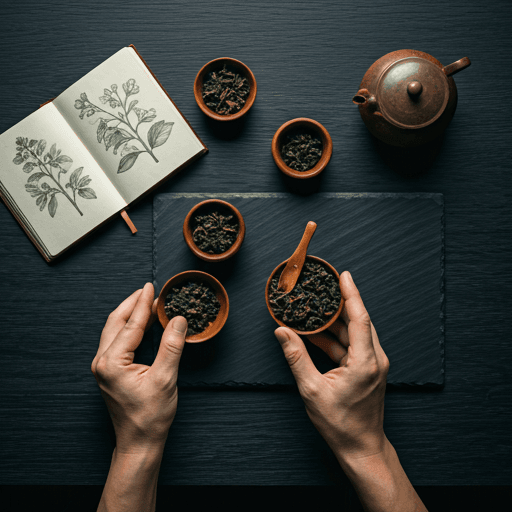
The real green tea benefits are simpler than the marketing suggests: a near-zero-calorie drink rich in antioxidants (mainly catechins like EGCG) that, when sipped regularly, is associated with small but worthwhile support for your heart, focus, and metabolism. It is not a cure for anything, and it will not melt fat on its own. But as a daily swap for sugary drinks or a third cup of milky chai, it is one of the easiest healthy habits an Indian household or office can build.
Below we cover what the evidence actually says, how Indians drink it, how to brew it so it does not turn bitter, sensible cautions, and what it costs here in INR.
Green tea benefits at a glance
Green tea comes from the same plant as black tea (Camellia sinensis), but the leaves are steamed or pan-fired and minimally oxidised, which preserves more of the natural polyphenols. Those compounds are where most of the proposed benefits come from. Here is a measured summary of what research suggests — note the careful wording, because honest framing matters on a health topic.
- Antioxidant support: Green tea is one of the richest everyday sources of catechins, plant compounds that help neutralise free radicals. This is the most consistent and well-supported point.
- Heart and circulation: Observational studies, including large long-term ones from Japan, associate regular green tea drinking with modestly lower risk of heart and stroke events. Association is not proof, but the pattern is encouraging.
- Steady alertness: A cup contains moderate caffeine plus L-theanine, an amino acid that tends to smooth the caffeine "jolt" into calmer focus. Many people find it gentler than coffee for sustained work.
- Blood sugar and metabolism: Some studies suggest green tea may help with insulin sensitivity and a small bump in fat metabolism — emphasis on small.
- Skin and general wellbeing: The anti-inflammatory properties are studied for skin health, though most claims here are early.
If you want the longer version of the science and varieties, our complete green tea guide for India goes deeper, and the dedicated piece on the advantages of drinking green tea covers the everyday wins.
What the benefits of drinking green tea really mean day to day
It helps to translate the research into ordinary life, because the benefits of drinking green tea are real but easy to oversell. Think of green tea as a quiet, compounding habit rather than a quick fix.
It is a near-free swap
A plain cup of green tea has almost no calories and no sugar. If it replaces a 150-calorie sweet cold drink or a sugary milk tea in the afternoon, that single swap — repeated daily — does more for your health than any single "superfood" compound. The win is the swap, not magic in the leaf.
The calm-focus effect is the standout for desk workers
In offices, the green tea draw is usually the L-theanine-plus-caffeine balance. People report fewer afternoon crashes than with strong coffee. If your team currently runs on three coffees and a samosa, adding a green tea option is a genuinely useful change.
The effects are cumulative, not instant
You will not feel "detoxed" after one cup — and "detox" is mostly a marketing word; your liver and kidneys do that job. What green tea offers is a small, repeated nudge in a good direction over months and years.
Green tea and weight loss: the honest version
This is the claim that sells the most tins, so it deserves the most honesty. Green tea may give weight management a small assist. The catechins and caffeine can slightly raise energy expenditure and support fat metabolism, and some studies show a minor effect. But the effect is modest and only shows up alongside a calorie-controlled diet and regular activity. There is no credible evidence that green tea alone causes meaningful weight loss, and anyone promising "lose X kg in a week" is selling you a story.
Green tea can be a helpful supporting habit for weight goals — never the strategy itself. The diet and the daily movement do the heavy lifting.
We have written a full, no-hype breakdown in our green tea for weight loss guide if that is your main goal. Read it before you buy anything marketed as a "fat-cutter" tea.
How much green tea per day is sensible?
For most healthy adults, around 2 to 4 cups a day is a reasonable range that captures the potential benefits while keeping caffeine in check. Going much higher — think 7 to 8 cups or more, or concentrated extract supplements — is where side effects and risks climb, so more is not better.
| Daily intake | What to expect |
|---|---|
| 1 cup | A gentle, low-caffeine pick-me-up; benefits minimal but it is a fine habit to start. |
| 2-4 cups | The commonly cited "sweet spot" in research for potential heart, focus, and metabolic support. |
| 5-6 cups | Fine for many, but watch caffeine, sleep, and stomach comfort. |
| 8+ cups / extracts | Not advised — higher chance of jitters, poor sleep, palpitations, and stomach upset. |
How to brew green tea so it is not bitter
Most people who "don't like green tea" have only had it brewed badly. The single biggest mistake is using fully boiling water and steeping too long, which pulls out harsh tannins. Get this right and even a basic Indian supermarket brand tastes clean and slightly sweet.
- Cool the water. Boil, then let it sit 2-3 minutes. You want roughly 70-80°C, not a rolling boil. Boiling water scorches green tea.
- Go easy on time. Steep 2-3 minutes only. Set a timer — an extra two minutes is the difference between smooth and bitter.
- Right dose. One tea bag or about one teaspoon of loose leaf per cup. More leaf does not mean more benefit, just more bitterness.
- Skip the sugar. If you need flavour, add a squeeze of lemon, a few mint or tulsi leaves, or a little honey once it has cooled slightly.
- Try cold brew in summer. Leaves or a bag in cool water in the fridge for a few hours gives a naturally sweet, never-bitter cup — ideal for Indian summers.
Matcha is a different format — finely ground whole leaf you whisk rather than steep, so you consume the whole leaf. If that interests you, see our guide to what matcha is.
Green tea in India: brands, prices, and how people drink it
Green tea is now mainstream on Indian shelves, from kirana stores to quick-commerce apps. You will find familiar names — Lipton, Tetley, Typhoo, Organic India (often tulsi-blended), and a wave of homegrown specialty brands. As rough INR framing, mass-market boxes of 25 bags commonly land around the 130 to 250 range, while long-leaf and premium tins run higher. Tulsi, lemon, and honey-lemon blends are especially popular here because they soften the grassy edge for chai-trained palates.
Indian drinking habits skew toward the flavoured and the convenient: the office desk cup mid-morning, the post-lunch "lighter than chai" option, and the evening cup for people cutting back on caffeine. For the wider context of how green tea fits alongside black tea and our chai culture, the coffee and tea guide for India is a good companion read.
A note on green tea "tea benefits" claims on packaging
You will see bold green tea tea benefits printed on boxes — "immunity", "detox", "slimming". Treat these as marketing, not medicine. The honest, evidence-backed position is the measured one above: a healthy, low-calorie drink with antioxidants and a pleasant calm-focus effect, best as part of an overall balanced routine.
Sensible cautions
Green tea is safe for most people in normal amounts, but a few common-sense points apply:
- Caffeine sensitivity: If you are sensitive, keep to earlier in the day so it does not disturb sleep.
- Not on an empty stomach: Strong green tea on an empty stomach can cause acidity or nausea for some — pair it with or after food.
- Iron absorption: Tannins can reduce non-heme iron absorption, so avoid drinking it right alongside iron-rich meals or iron supplements.
- Pregnancy and medication: If you are pregnant, breastfeeding, or on regular medication, keep caffeine moderate and check with your doctor — especially before any concentrated green tea extract supplement.
- Extracts vs cups: Brewed cups are gentle; high-dose extract pills are a different risk profile and warrant medical advice.
When in doubt, the simplest rule holds: a few cups of properly brewed green tea a day, as part of a normal diet, is a sound habit — but it is not a treatment, and your doctor knows your specifics better than any tin does.
Making green tea a reliable daily habit
The benefit only shows up if the cup actually gets made. For homes, a kettle with temperature control removes the "too-hot, too-bitter" problem entirely. For offices, cafes, and institutions, the bigger challenge is consistency at volume — keeping a clean, correctly brewed cup at the right temperature, cup after cup, without anyone babysitting a kettle.