
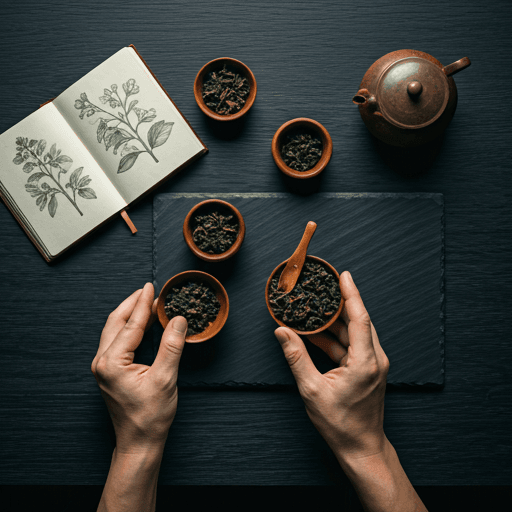
Darjeeling tea is a black tea grown only in the Himalayan foothills of the Darjeeling district in West Bengal, prized for its light golden liquor and delicate floral-to-muscatel flavour. Like Champagne, the name is protected by a Geographical Indication (GI) tag, so genuine Darjeeling can come from nowhere else on earth. That rarity, the high-altitude growing conditions, and the hand-plucked harvests are exactly why it earned the nickname "the Champagne of teas."
If you have only ever known strong, milky chai, Darjeeling will feel like a different drink entirely: brighter, thinner-bodied, and meant to be sipped without (or with very little) milk. This guide explains what makes it special, the difference between the seasonal flushes, which Indian brands are worth your money, and how to brew it properly whether you are at home, in an office pantry, or running a cafe.
What is Darjeeling tea, and why is it called the Champagne of teas?
Darjeeling tea is made from the leaves of the Camellia sinensis plant grown across roughly 87 GI-recognised tea estates on the steep slopes of the Darjeeling hills, at altitudes between about 600 and 2,000 metres. The combination of thin mountain air, cool mist, sharp temperature swings between day and night, and slow leaf growth concentrates the aromatic compounds in the leaf. That is the natural reason behind its signature complexity.
Most authentic Darjeeling is a darjeeling black tea, fully oxidised in the traditional orthodox style (whole leaves, gently rolled, not the crushed CTC granules used for everyday Indian chai). But because Darjeeling is processed lightly, the liquor brews a pale amber rather than the dark brown you expect from Assam. Today the same estates also produce Darjeeling green, white, and oolong, but the classic black is what built the reputation.
The "Champagne of teas" label is more than marketing. Genuine Darjeeling carries a GI tag protected since 2004-05, meaning only tea grown and processed in the defined Darjeeling area can legally be sold under that name. Globally, far more "Darjeeling" is sold than is actually produced, so the GI mark matters when you buy.
First flush vs second flush: the two harvests that define the taste
The single most useful thing to understand about Darjeeling is the idea of a "flush" - a seasonal harvest. The same estate can produce wildly different teas across the year, and the price follows the flush.
| Feature | First Flush (Spring) | Second Flush (Summer) |
|---|---|---|
| Harvest window | Late February to April | May to June |
| Leaf appearance | Greenish, tippy, lightly oxidised | Browner, fuller oxidation |
| Liquor colour | Very pale, light gold | Deeper amber-coppery |
| Flavour | Bright, floral, fresh, slightly astringent | Rounded, smooth, the famous "muscatel" grape note |
| Best for | Purists who want delicacy | First-timers; the classic Darjeeling experience |
| Typical price | Often the most expensive | Premium but more approachable |
There are also monsoon (rains) and autumn flushes later in the year. Monsoon flush is stronger, cheaper, and often used in blends; autumn flush is mellow and coppery, a nice middle ground. If you are buying your first packet, a second flush is the safest pick - it delivers that signature muscatel character that most people fall in love with.
Is Darjeeling actually a Himalayan tea?
Yes - and that is not a stretch. Darjeeling sits in the Eastern Himalayan foothills, and the term himalayan darjeeling tea is genuinely accurate rather than a buzzword. The altitude is the whole point: slower leaf growth at height produces smaller, more concentrated leaves and the aromatic intensity Darjeeling is known for. You will sometimes see neighbouring Himalayan-grown teas (from Nepal, for instance) marketed in a similar style, but only tea from the Darjeeling GI zone can legally be called Darjeeling.
Health benefits of Darjeeling tea
Darjeeling is a true black tea, so it carries the polyphenols and antioxidants common to the category, with the lighter-oxidised first flush retaining more catechins. In plain terms:
- Antioxidants: rich in polyphenols and catechins that help mop up free radicals.
- Gentle lift: moderate caffeine - less than a strong cup of coffee - for alertness without the jitters.
- Digestion: a light, low-tannin cup that many people find easier on the stomach than heavy milky chai.
- Low calorie: taken without milk or sugar, it is essentially calorie-free, which is why it suits a lighter daily routine.
None of this makes it a medicine - treat it as a pleasant, low-calorie daily drink rather than a health supplement. If you are exploring tea for wellbeing reasons, our guide to green tea benefits and our overview of herbal teas in India are useful companions.
Best Darjeeling tea brands in India and what to expect on price
Unlike mass-market chai, Darjeeling is usually sold by estate and flush, and you pay for provenance. Here are reliable names available to Indian buyers, with realistic pricing for orthodox loose leaf:
- Goodricke - widely available, including their popular Darjeeling "Seasons" long-leaf range. A 150-250g pack typically runs from roughly INR 250 upward, making it an easy first buy.
- Makaibari - one of the world's oldest tea estates (1859), known for organic and biodynamic single-estate teas. Curated gift boxes and single-flush packs sit at the premium end.
- Lopchu / Golden Tips / Gopaldhara - estate-focused sellers prized by enthusiasts for clearly labelled single-flush lots.
- Vintage / single-estate first flush lots - rare top-grade harvests can run into thousands of rupees per 100g; these are connoisseur purchases, not your daily cup.
A practical rule for an Indian buyer: a good everyday Darjeeling sits around INR 250-600 per 100-250g, while special single-estate flushes climb well beyond that. Always look for the GI logo and a named estate and flush on the pack - a vague "Darjeeling Tea" label with no estate often means a blend. For a wider look at the category, see our roundups of India's best tea brands and the Tata Tea range.
How to brew Darjeeling tea properly
Darjeeling is easy to ruin by treating it like strong chai. Boiling it to death turns its delicacy into bitterness. Follow these steps:
- Water: use fresh, just-off-the-boil water around 85-90 C, not a rolling boil - especially for first flush.
- Leaf: about 2 grams (roughly one teaspoon) of loose leaf per 150-200 ml cup.
- Steep time: 3 to 4 minutes. Longer makes it astringent and bitter.
- Milk: skip it, or add only a splash. Darjeeling is built to be enjoyed black; drowning it in milk and sugar wastes what you paid for.
- Re-steep: good whole-leaf Darjeeling can take a second, slightly longer infusion.
Quick tip: if your Darjeeling tastes flat, the water was probably too hot or the brew too long. Pull the leaves out earlier next time - you can always steep longer, but you cannot un-bitter a cup.
For the cups, pots and strainers that make loose-leaf brewing easier, our tea serving essentials guide covers the basics.
Darjeeling for offices and cafes: serving it consistently
Premium Darjeeling is wonderful at home, but in a busy office pantry or a cafe, consistency is the real challenge - every cup needs the right water temperature, dose and timing, or you waste expensive leaf. That is where the right equipment earns its keep. A good tea machine or a tea-and-coffee vending setup gives staff and customers a clean, repeatable cup at the push of a button, while you keep your special-occasion loose-leaf Darjeeling for slower moments. Many offices run a premix-based machine for everyday volume and reserve estate Darjeeling for guests and leadership cabins.
The bottom line
Darjeeling tea is one of the few Indian products with genuine global prestige - a light, aromatic, Himalayan black tea best understood through its flushes and best enjoyed with minimal milk. Start with a named-estate second flush, brew it gently, and you will see why it earned the Champagne comparison.