
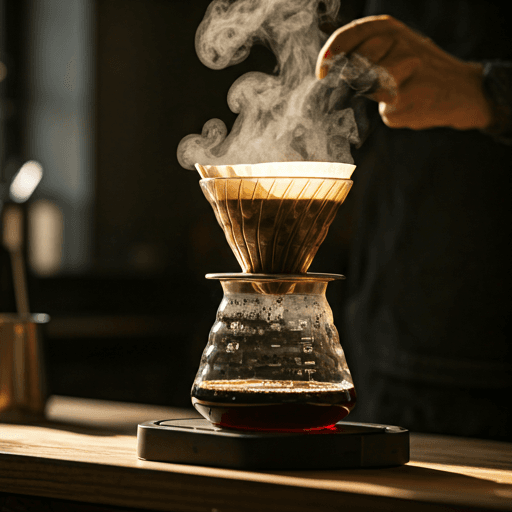
Coffee substitutes are drinks that look, taste, or feel like a warm cup of coffee but are made without coffee beans — usually from roasted roots, grains, seeds, or fungi — so they are naturally caffeine-free, or very nearly so. People reach for coffee substitutes when they are cutting back on caffeine, want an evening cup that won't keep them up, or are simply curious about a new flavor. This guide maps the main families of coffee alternatives, how they taste, and how they stack up against decaf and instant.
What are coffee substitutes?
A coffee substitute is any brewed drink meant to stand in for coffee without containing coffee itself. Instead of ground beans, it is made from roasted plant material — chicory root, dandelion root, barley, rye, acorns, or a functional mushroom blend — that browns and turns bitter-sweet when roasted, echoing the roasty, slightly bitter character of a real cup. Because there are no coffee beans, most are naturally caffeine-free. A few blends do add a little coffee or another caffeine source, so it is always worth reading the label if a caffeine-free cup is the whole point.
People choose coffee alternatives for a handful of everyday reasons: trimming overall caffeine, enjoying a warm mug in the evening without a late-night buzz, liking the toasty flavor, or just wanting variety in a daily ritual. None of that requires a health reason — plenty of people simply enjoy the taste. If you are thinking about a switch because of caffeine sensitivity, pregnancy, breastfeeding, or a medication, that is a conversation for your own healthcare provider. Responses vary from person to person, and this is general information, not medical advice.
The main families of coffee alternatives
Roasted roots
Roasted roots are the closest thing to coffee in a cup. Chicory root — long tied to the coffee culture of New Orleans and parts of France — brews dark, full, and bitter-sweet, and has been blended with or stood in for coffee for generations. Roasted dandelion root gives a similar deep, slightly earthy, coffee-like brew. Both steep into a cup that genuinely reads as coffee-adjacent without a single bean, which is why they anchor most of the substitute world. If you want to explore the root side further, roasted dandelion also turns up as a standalone brew with its own following.
Grain and seed brews
Grain coffee is a European and Mediterranean staple: roasted barley, rye, and sometimes chicory or figs are ground and brewed like coffee. Roasted-barley drinks turn up across the Mediterranean and East Asia, while grain-and-chicory blends have been sold as caffeine-free "coffee" for well over a century. Roasted acorns, chickpeas, and other seeds have played the same role in lean times and still appear in artisan blends. As a family, these lean toasty, nutty, and mellow rather than sharp.
Mushroom and functional blends
Mushroom "coffee" mixes an extract of functional fungi — commonly chaga or lion's mane — into either real coffee or a coffee-substitute base. When it is built on a substitute or on decaf, the drink can be caffeine-free or low in caffeine; when it is built on real coffee, it is not. These blends are often sold with wellness language, so keep expectations light: they are flavored drinks, and any benefit claims are best taken with a healthy pinch of salt. Responses vary, and this is not medical advice.
Tea and other coffee alternatives
Plenty of people answer the question "what can I drink instead of coffee?" with a cup that isn't coffee-shaped at all. Herbal tisanes, rooibos (a naturally caffeine-free red bush from South Africa), matcha, and golden turmeric drinks all work as coffee alternatives, depending on whether you want warmth, a bold flavor, or a gentle lift. Rooibos in particular brews a deep red-brown that feels comforting in the hand. For the caffeine-free tea side, see caffeine-free tea explained, and for the wider tisane universe the herbal tea hub is a useful map.
Coffee substitutes at a glance
Here is a quick comparison of the caffeine-free coffee alternatives covered above. Caffeine notes are general guidance, not a lab measurement, so always defer to the label on the pack.
| Substitute type | What it is / made from | Caffeine | Tastes like |
|---|---|---|---|
| Chicory root | Roasted, ground root of the chicory plant | Caffeine-free | Dark, full, bitter-sweet, very coffee-like |
| Dandelion root | Roasted, ground dandelion root | Caffeine-free | Deep, earthy, roasty, coffee-adjacent |
| Roasted grain | Roasted barley, rye, and sometimes chicory or figs | Caffeine-free | Toasty, nutty, mellow |
| Mushroom blend | Fungi extract (chaga, lion's mane) on a coffee or substitute base | Varies, free to full | Earthy and mild; coffee-ish if built on coffee |
| Herbal & rooibos | Tisanes and rooibos, a caffeine-free bush tea | Caffeine-free | Fruity, floral, or malty — not coffee-like |
Coffee substitutes vs decaf
The big distinction is simple: a coffee substitute contains no coffee at all, while decaf is real coffee with most of the caffeine removed. Decaf still comes from coffee beans, still carries a trace of caffeine (typically a small fraction of a regular cup), and tastes like coffee because it is coffee. A substitute has zero coffee in it and tastes like whatever it is roasted from — root, grain, or fungi. If your goal is true coffee flavor with less of a jolt, decaf is the closer match; if you want to leave coffee behind entirely, a substitute fits better. For the full picture on how the caffeine is taken out, see decaf coffee explained.
Do coffee substitutes come as instant powder?
Yes — many coffee alternatives are sold exactly like instant coffee: a soluble powder or granule you stir into hot water, with no brewing gear needed. Chicory blends, grain "coffees," and mushroom mixes all show up in instant form, which is part of why they are so easy to swap in. That does not make them coffee, though; an instant substitute is still bean-free. If you want the difference between instant coffee and a freshly brewed cup, that is covered in instant coffee explained.
How coffee substitutes taste and brew
Most substitutes are brewed just like coffee — steeped in a French press, dripped through a filter, run through a moka pot, or simply stirred from powder. Root and grain brews tend to taste roasty and bitter-sweet, with a comforting depth, but they usually have less body than espresso-strength coffee and won't produce true crema. Herbal and rooibos options taste nothing like coffee yet still give you that warm-mug ritual. A common trick is to add milk or a milk alternative, which softens any bitterness and makes a root or grain brew feel more latte-like. Expect to experiment with strength: because there is no caffeine driving the "kick," people often dial the flavor up or down purely to taste.
Who might reach for a coffee substitute?
Caffeine-free coffee alternatives suit a few kinds of drinker in particular:
- Evening drinkers who want the coffee ritual after dinner without a late caffeine hit.
- The caffeine-sensitive, who notice jitters or disrupted sleep even from a normal cup.
- The simply curious, chasing new flavors or a change from the daily bean.
- Anyone tapering caffeine gradually rather than quitting all at once.
If you are considering a switch for pregnancy, breastfeeding, a possible medication interaction, or a specific caffeine sensitivity, check with your own healthcare provider rather than relying on a general guide. Everyone's tolerance is different, responses vary, and this article is not medical advice.
The bottom line
Coffee substitutes are caffeine-free (or nearly so) drinks that stand in for coffee without any coffee beans — roasted roots like chicory and dandelion, grain and seed brews, mushroom blends, and the wider world of herbal and rooibos cups. They won't perfectly replicate espresso's body or its crema, but they deliver the warm, roasty ritual many of us are really after. Whether you land on a chicory brew, a grain blend, or a herbal alternative comes down to taste — so it is worth trying a few and seeing which mug you keep reaching for.