
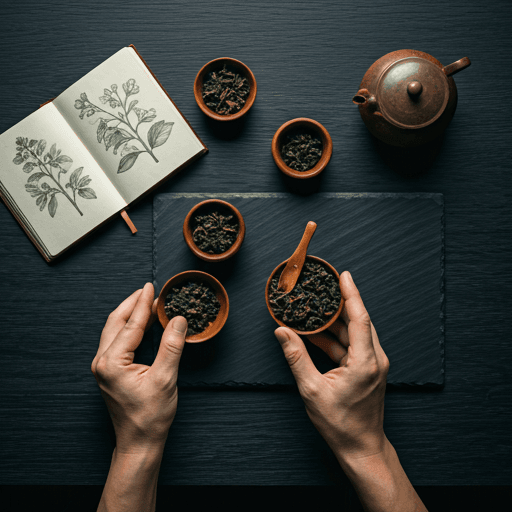
Herbal tea is an infusion made by steeping herbs, flowers, fruits, spices, seeds or roots in hot water — and, crucially, it is not made from the tea plant Camellia sinensis. Because it contains no true tea leaves, most herbal tea is naturally caffeine-free. The more precise word for these brews is tisane, a French term for any plant infusion that isn't real tea. So your chamomile, peppermint or hibiscus cup is, technically speaking, a tisane.
That single distinction explains almost everything about how herbal teas taste, brew and behave. Below is a clear, worldwide guide to what counts as a herbal tea, the popular types, why most are caffeine-free (and the few that aren't), and how to brew them well.
What is herbal tea, exactly?
Herbal tea is a beverage created by infusing edible plant material in hot or boiling water. Where true tea — black, green, white, oolong and pu-erh — all comes from the leaves of one plant, Camellia sinensis, herbal tea draws on a huge botanical pantry: dried flowers like chamomile and hibiscus, leaves like peppermint and lemon balm, roots like ginger and dandelion, spices like cinnamon and cardamom, and fruits and peels.
Because the plant is different, the rules are different. There is no leaf grade, no oxidation level, no first or second flush. A tisane is defined simply by what you put in the pot and how long you steep it. For the bigger picture of how true teas are categorized, see our guide to types of tea explained.
Herbal tea vs. tisane: same thing, better word
In everyday English, "herbal tea" and "tisane" mean the same drink. Purists prefer "tisane" because it makes the point that no actual tea is involved — calling it "tea" is a friendly shorthand, not a botanical fact. The word tisane comes from an old term once tied to medicinal barley drinks; today it simply means a herbal or botanical infusion. You can use either term and be perfectly correct.
Why most herbal tea is caffeine-free
Caffeine in your cup comes from the leaves of Camellia sinensis. Since herbal teas skip that plant entirely, a caffeine-free herbal tea is the default rather than a special version. There is no decaffeination process needed — the caffeine was never there. That is why a cup of chamomile or rooibos in the evening won't keep you up the way black tea or coffee might.
The exceptions: herbal brews that do contain caffeine
"Most" is the key word. A handful of caffeinated plants are brewed as tisanes, so they are technically herbal yet still stimulating:
- Yerba mate — a South American holly leaf, traditionally sipped from a gourd; it carries a meaningful caffeine load.
- Guayusa — another caffeinated holly relative from the Amazon, increasingly sold as an energizing herbal brew.
- Guarana — a seed sometimes blended into herbal mixes that adds caffeine.
If you are specifically chasing a caffeine-free herbal tea for the evening, check the label or ingredient list. A blend marketed as "herbal" can still hide a caffeinated plant. Anything based on chamomile, peppermint, hibiscus, rooibos, ginger or lemon balm, however, is reliably caffeine-free.
Popular types of herbal tea
The world of tisanes is enormous, but a handful of botanicals show up again and again on shelves everywhere. Here is a quick orientation:
| Herbal tea | Plant part | Flavor profile | Caffeine |
|---|---|---|---|
| Chamomile | Flower | Soft, apple-like, gently sweet | None |
| Peppermint | Leaf | Cool, clean, brisk | None |
| Hibiscus | Flower (calyx) | Tart, ruby-red, cranberry-like | None |
| Rooibos | Leaf/stem (South African shrub) | Smooth, woody, naturally sweet | None |
| Ginger | Root | Warm, spicy, pungent | None |
| Lemon balm | Leaf | Mild, lemony, mellow | None |
| Dandelion | Root/leaf | Earthy, slightly bitter, roasty | None |
| Yerba mate | Leaf | Grassy, robust, vegetal | Yes |
Want to go deeper on individual brews? We have dedicated guides to chamomile tea and hibiscus tea, plus a wider look at how botanicals get combined in tea and herbs blends explained.
Single herbs vs. blends
You can brew a single botanical — pure peppermint, pure rooibos — or a blend. Many caffeine-free herbal teas are mixes: hibiscus with rosehip and orange peel, or chamomile with lavender and lemon balm. Some blends marry a true tea with herbs (a rooibos-vanilla, or a green tea with mint), in which case the cup is no longer caffeine-free. Read the ingredients if caffeine matters to you.
A note on "organic herbal tea"
You will see plenty of organic herbal tea on the market. "Organic" describes how the plants were grown — without synthetic pesticides or fertilizers, under a certifying standard — and not the flavor or caffeine content. An organic chamomile and a conventional chamomile are the same drink; the label is about farming practice and any premium attached to it, nothing more.
How to brew herbal tea
Here is the good news: herbal tea is one of the most forgiving brews you can make. Because there are no delicate leaf compounds to scorch and no tannins racing to turn bitter, you generally use hotter water and a longer steep than you would for green tea.
- Heat the water to a full boil — around 212°F / 100°C. Unlike green tea, which prefers cooler water near 175–185°F (80–85°C), flowers, roots and spices need full heat to give up their flavor.
- Use roughly one teaspoon of loose herbs (or one bag) per cup. Roots and barks like ginger or dandelion can take a little more.
- Steep 5 to 7 minutes. Longer is usually fine — caffeine-free herbal teas rarely turn bitter, so you can push the steep to taste, especially with rooibos and hardy roots.
- Cover the cup or pot while it steeps to trap the aromatic oils, then strain and serve.
Serve it hot, or chill it over ice — hibiscus and peppermint make especially refreshing iced tisanes. If you are new to brewing in general, our how to make tea primer covers the basics for both true teas and tisanes.
A responsible word on herbal tea and wellness
Herbal teas have a long, rich history, and many people drink them precisely because a cup of chamomile feels calming or a mug of ginger feels warming. It is worth being clear, though: herbal teas are foods and beverages, not medicine. They are a pleasant, hydrating ritual — enjoy them as one. We make no claims that any tisane treats, prevents or cures any condition, and if you have a health concern, a pregnancy, or take medication, the sensible move is to speak with a qualified professional rather than rely on a teacup.
The bottom line
Herbal tea is simply an infusion of plants other than the tea bush — a tisane — and that is why most cups are naturally caffeine-free, gently flavored and endlessly variable. Pick a botanical you like, pour on boiling water, steep a generous few minutes, and you have it. To keep exploring, wander over to our broader types of tea explained guide, or start tasting your way through the individual herbs one calm cup at a time.