
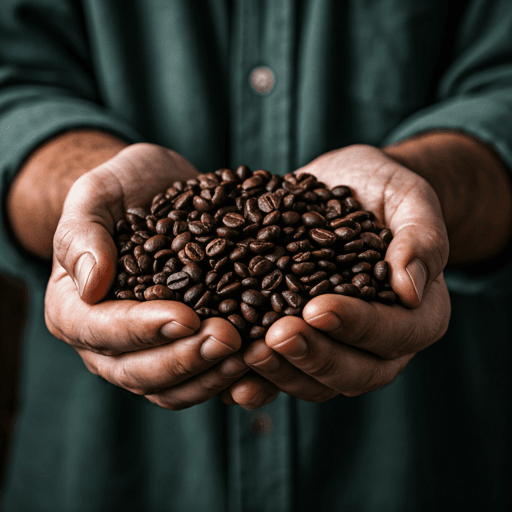
The honest answer is that there are no single best coffee beans for everyone, and any guide that hands you one ranked winner is selling something. Great beans are simply fresh, well-roasted beans that match how you brew and what you like to taste. This guide teaches you how to choose coffee beans on those terms, so the next bag you open is one you actually enjoy.
We will not crown a "top pick" or quote a price. Instead you will learn to read a bag, judge freshness, pick a roast level, and match beans to your brew method, which is how you reliably find good coffee beans anywhere in the world.
What actually makes the best coffee beans
Quality in coffee comes from a chain of decisions: where the coffee grew, the variety, how the cherry was processed, how it was roasted, and how recently. The best rated coffee beans tend to nail all of these. But for a home brewer, two factors do most of the heavy lifting.
First is freshness. Coffee is a roasted food, and like fresh bread it fades. A high quality coffee bean that was roasted three months ago will taste flatter than a humble bean roasted last week. Second is fit: a brilliant light-roast filter coffee can taste sharp and sour pulled as espresso, while a rich dark roast can turn muddy in a delicate pour-over. Choose for your cup, not for a label.
Two things you do not need to obsess over up front are species and grind. Arabica is the sweeter, more aromatic species behind most specialty coffee, while robusta is more bitter, more caffeinated and common in supermarket blends. We cover that fully in our arabica vs robusta beans explainer, and the basics of beans live in what are coffee beans. For most people, "mostly arabica, freshly roasted" is the whole answer.
Freshness beats almost everything: read the roast date
If you remember one thing, remember this: look for a printed roast date, not a "best before" date. A best-before date can be a year out and tells you nothing about flavor. A roast date tells you exactly how alive the coffee is.
As a rule of thumb, whole-bean coffee tastes best within about two to four weeks of roasting. Within that window, freshly roasted coffee also needs a few days to "degas" (release carbon dioxide) before it brews at its best, so beans are often happiest from roughly five days to two weeks after roasting. Buy whole beans and grind right before you brew, because ground coffee goes stale in days, not weeks. Our guide to grinding coffee beans covers why a burr grinder matters here.
Two practical habits make a big difference:
- Buy what you will drink in two to four weeks rather than stockpiling.
- Store beans in an airtight, opaque container away from heat, light and moisture; the freezer in sealed portions works for longer-term storage, but never the fridge.
Roast levels: light, medium and dark, and what each suits
Roast level is the single biggest flavor lever you control at the shelf. Lighter roasts preserve more of the bean's origin character (acidity, florals, fruit), while darker roasts trade that for deeper, bolder roast flavor (cocoa, toast, smoke) with less acidity and more body. Neither is "better"; they are different cups.
| Roast level | Typical flavor | Best for |
|---|---|---|
| Light | Bright acidity, floral and fruity, clear origin notes, lighter body | Pour-over and filter where clarity shines; adventurous palates |
| Medium | Balanced sweetness and acidity, caramel and nutty notes, rounder body | The all-rounder: drip, pour-over and many espresso blends |
| Medium-dark | Lower acidity, richer body, chocolate and toasted notes | Espresso, moka pot, milk drinks |
| Dark | Bold, smoky, bittersweet, heaviest body, little acidity | French press, strong milk-based drinks, classic "Italian" espresso |
If you are unsure, a fresh medium roast is the most forgiving place to start. It works across drip, pour-over and espresso, and it gives you a baseline to calibrate everything else against.
Single origin vs blends
A single origin is coffee from one country, region or even one farm. It expresses a place clearly, which is why it is the more interesting choice if you want to taste what coffee from Ethiopia, Colombia or Guatemala actually tastes like and develop your palate.
A blend mixes coffees from several origins for consistency and balance. A thoughtful blend can be layered and dependable, and blends are often built specifically for espresso, where balance and forgiving body matter. Neither is higher quality by default; a great single origin and a great blend are both excellent, just aimed at different goals.
How to read a coffee bag
A good bag tells you most of what you need before you ever brew. Look for:
- Roast date: the most important number on the bag.
- Origin: country, region, and ideally the farm or cooperative. More detail usually signals more care and traceability.
- Process: washed tends to be cleaner and brighter; natural (dried with the fruit on) is sweeter and fruitier, sometimes jammy; honey sits in between with sweetness plus some clarity.
- Roast level: light, medium or dark, as above.
- Tasting notes: when a label says "blueberry, cocoa, citrus," it is describing aromas the roaster tasted, not ingredients added. Treat notes as a flavor preview, not a recipe.
- Variety and altitude: nice-to-have details that suggest a careful roaster.
Specialty vs supermarket beans
Specialty coffee is graded for quality, traceable to its source, and roasted in small fresh batches by independent roasters, which is why it usually carries a clear roast date and detailed origin information. Supermarket coffee is typically mass-roasted, often darker to even out cheaper beans, and may sit on shelves for months, so it leans toward a uniform, bolder, flatter cup.
This is not snobbery; it is freshness and traceability. Many well-known roasters around the world, from large names to tiny local outfits, do excellent work. The most reliable way to drink better at home is simply to buy fresher, more traceable beans from a roaster you can identify, whether that is online or a shop near you.
Match the beans to your brew method
The same beans can taste very different through different gear, so let your method guide you:
- Espresso: espresso concentrates everything, so people often reach for medium to medium-dark roasts with body and sweetness. If you mainly pull shots, see our companion guide to choosing beans for espresso.
- Filter and pour-over: light to medium roasts let bright, clear flavors shine.
- French press: a coarser grind and a fuller body suit medium to darker roasts.
- Moka pot: medium-dark roasts give the rich, intense cup the method is known for.
Decaf belongs here too: good decaf exists, and gentle methods like Swiss Water or CO2 processing tend to preserve more flavor than older solvent routes. Freshness still rules, so buy decaf with a roast date as well.
How to choose coffee beans: a quick checklist
Run a bag through these questions before you buy:
- Is there a clear roast date, and is it recent (ideally within the last few weeks)?
- Are they whole beans you can grind fresh?
- Does the roast level match your brew method and taste?
- Is the origin named, and do the tasting notes appeal to you?
- Is it mostly arabica (or a blend you understand)?
- Will you finish it in two to four weeks?
Tick most of those and you are holding good coffee beans, no ranking required.
Final pour
The best coffee beans are not a brand on a list; they are fresh, well-roasted beans matched to your brewer and your palate. Start with a fresh medium roast, pay attention to what you like, then explore lighter origins or darker espresso blends from there. Keep buying fresh and matching the roast to your brewer, and your everyday cup will keep getting better.