
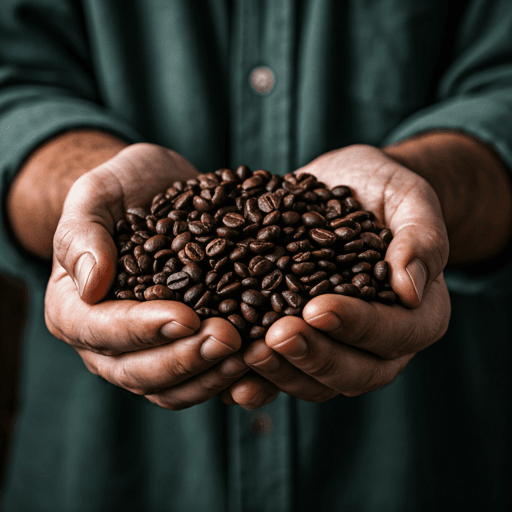
The best espresso beans are not a special species of coffee. "Espresso" is a brewing method, not a bean, so any coffee can be pulled as a shot. The trick is choosing beans that suit the intense, pressurised way espresso extracts flavour. This guide walks you through roast level, blends versus single origin, the surprising truth about freshness, and how to match your beans to your grinder and machine, so you can pick good espresso beans with confidence anywhere in the world.
We are not a testing lab handing out a ranked top three. Instead, we teach the criteria a great roaster or barista would use, and name well-known products only as factual examples. Once you understand the levers, you can read any bag and judge whether the beans inside will make great espresso on your setup.
What "espresso beans" actually means
Walk into a shop and you will see bags labelled "espresso" sitting next to bags labelled "filter" or "for drip." That label is a recommendation, not a different crop. The same green coffee could be roasted and sold either way. When a roaster calls a coffee an espresso, they are telling you they roasted and balanced it to taste good under nine bars of pressure in a small, concentrated shot.
Espresso is unforgiving. It pushes hot water fast through a dense puck of finely ground coffee, concentrating everything: sweetness, acidity, bitterness and body. A coffee that tastes bright and pleasant as a pour-over can taste sour or harsh as espresso, and vice versa. So choosing coffee beans for espresso is really about choosing beans whose flavour holds up, and ideally improves, under that intensity. If you want the broader picture of judging any coffee, see our companion guide on the best coffee beans; here we focus only on what makes beans great for espresso.
Roast level: the single biggest choice for espresso beans
Roast level shapes an espresso more than almost anything else, and it is where most people should start. Roughly speaking, beans move from light to medium to dark, and each end of that range pulls very differently.
Medium-to-dark: the traditional, forgiving choice
Espresso has historically leaned medium-to-dark, and for good reason. Longer roasting develops body, caramelised sweetness and chocolatey, nutty, toasty flavours that shine in a concentrated shot. These beans are also more forgiving: they dissolve readily, so small grind or timing errors are less likely to produce a sour, under-extracted shot. If you are new to espresso, or pulling on an entry-level or fully automatic machine, a medium-to-dark blend is the path of least frustration and a reliable route to good espresso beans for everyday milk drinks.
Light "specialty espresso": more flavour, less mercy
Modern specialty roasters increasingly offer lighter espresso roasts that keep more of the bean's origin character: bright fruit, florals, juicy acidity. Pulled well, these are some of the most exciting shots you can drink. But light roasts are denser and harder to dissolve, so they demand a finer, more precise grind, fresher beans, and usually better equipment with stable temperature control. Choose lighter espresso beans only if you enjoy dialling things in and have a capable grinder; otherwise they can taste sharp and sour. For the why behind under- and over-extraction, our walkthrough on how to make espresso at home is a useful companion.
Very dark and oily: handle with care
The darkest roasts look glossy with surface oil. They taste bold, smoky and bittersweet, which some people love, especially in heavy milk drinks. The catch is mechanical: those oils can clog grinder burrs and chutes, increase clumping, and go rancid faster once the bag is open. If you love a dark, oily bean, plan to clean your grinder more often and use the coffee up quickly.
Blends versus single origin for espresso
The other big decision is whether to choose a blend or a single origin. Both make great espresso; they simply do different jobs.
Blends are the workhorse of espresso. A roaster combines two or more coffees so one provides sweetness, another body, another a little brightness, and the result is balanced, consistent and crema-rich. Because the blend is designed and re-balanced across harvests, the flavour stays familiar bag after bag. Blends are especially good for milk-based drinks, where you want a steady, comforting backbone that cuts through steamed milk. If you mostly make lattes, cappuccinos and flat whites, a blend is usually the smart pick.
Single-origin espresso showcases one farm, region or country, so you taste its distinctive personality: the citrus and florals of an Ethiopian, the chocolate and nut of a Brazilian, the syrupy depth of a Sumatra. Pulled as straight shots, single origins can be thrilling. The trade-off is variability and difficulty: they can shift between harvests and are often fussier to dial in. They reward the curious drinker who pulls espresso neat and likes to chase flavour.
The role of robusta in espresso blends
Most specialty coffee is arabica, prized for sweetness and aroma. But traditional Italian espresso, especially in the south and in Naples, often includes a slice of robusta, the hardier, more bitter, higher-caffeine species. Roasters add a small proportion of robusta to espresso blends for three reasons: it produces a thicker, more persistent crema; it adds heavy body and a bold, punchy finish; and it brings extra caffeine and bitterness that stand up well to milk and sugar.
This is a stylistic choice, not a flaw. A 100% arabica blend leans elegant and sweet; a blend with 10 to 20% robusta leans bold, creamy and traditional. Neither is "better" universally, it depends on whether you want a refined or a classic, full-throttle shot. If the species debate is new to you, our explainer on arabica vs robusta coffee beans covers exactly how the two differ in flavour, body and crema.
Freshness, with an espresso twist: rest your beans
Freshness matters more for espresso than almost any other method, but with a crucial twist that trips up beginners. With most coffee you assume fresher is always better. For espresso, the very freshest beans can actually be harder to brew well.
Here is why. Roasting fills beans with carbon dioxide, which slowly escapes over days in a process called degassing. Pull espresso on beans that are only a day or two off roast and that trapped CO2 fights the water, producing gushing, foamy crema, unstable flow and a sour, hard-to-control shot. Espresso is uniquely sensitive to this because it brews under pressure.
The practical sweet spot for most espresso beans is roughly 5 to 14 days after the roast date. By then enough gas has escaped for the puck to brew evenly, but plenty of aroma remains. That is why the roast date on the bag matters more than any "best before" date. After that window, beans stay good for a few weeks but gradually fade; once a bag has been open a while, or the beans are very dark and oily, flavour drops off faster.
Buy beans with a visible roast date, look for that 5-to-14-day window for espresso, and store them in a cool, dark, airtight container, never the fridge or freezer for daily use, where moisture and odours sneak in.
Match the beans to your setup
The right beans depend as much on your gear as on your taste. A few honest matches:
- Entry-level or fully automatic machine: choose a medium-to-dark blend with a clear roast date. It is forgiving, crema-friendly and easy to dial in.
- Modest grinder: avoid the darkest, oiliest beans, which clog burrs and clump. A drier medium roast grinds cleaner and more consistently.
- Prosumer machine with temperature control plus a good grinder: you can explore lighter specialty roasts and single origins that need precision.
- Milk drinks every day: a bold blend, possibly with some robusta, will cut through the milk.
- Straight shots and espresso "neat": a sweeter single origin or a clean arabica blend rewards your attention.
Your grinder is the quiet hero here. Espresso lives or dies on an even, fine grind, so the bean choice and the grinder go together. If you are weighing your options, our guide to the best espresso grinders explains why fine, consistent, low-retention grinding matters so much for the shot.
Espresso beans at a glance
| Bean style | Best suited to | Trade-off |
|---|---|---|
| Medium-to-dark blend | Beginners, milk drinks, entry-level and automatic machines | Less origin nuance; classic over distinctive |
| Light "specialty" roast | Experienced drinkers, capable grinders, straight shots | Fussy to dial in; can taste sour if under-extracted |
| Very dark / oily roast | Lovers of bold, smoky shots and heavy milk drinks | Clogs grinders; oils go rancid faster; brews bitter |
| Single origin | Curious drinkers chasing distinctive flavour neat | Varies by harvest; harder to keep consistent |
| Blend with some robusta | Thick crema, bold traditional Italian-style shots | More bitter; less floral or fruity |
How to choose espresso beans: a quick checklist
- Check for a roast date. No date, or only a far-off expiry, is a red flag. Aim to brew espresso in that 5-to-14-day window.
- Pick a roast level honestly. Medium-to-dark if you want easy and forgiving; lighter only if you and your grinder can handle precision.
- Blend or single origin? Blends for consistency and milk drinks; single origin for distinctive straight shots.
- Decide on body and crema. All-arabica for sweet and elegant; a touch of robusta for bold and creamy.
- Mind the oil. Skip very glossy, oily beans if your grinder is modest or you brew slowly.
- Buy whole beans and grind fresh. Ground espresso goes flat in days; whole beans hold flavour far longer.
- Buy in sensible amounts. Enough for two to three weeks, so you finish the bag before it fades.
Naming a few examples, factually: many cafes and home users reach for classic medium-dark Italian-style blends from roasters like Lavazza, Illy or Kimbo for forgiving, crema-rich shots, while specialty roasters such as Blue Bottle, Stumptown or Counter Culture build lighter, origin-forward espresso for drinkers who like to dial in. These are illustrations of categories, not endorsements; the right bag is the one that suits your taste and your machine.
The bottom line
There is no magic "espresso bean," only beans chosen and rested to shine under pressure. Favour a clear roast date, a roast level that matches your skill and gear, and a blend-or-origin choice that fits how you drink. Get those right and even a modest machine can pull a shot you are proud of. From here, deepen your bean knowledge with our wider guide to choosing coffee beans, then put your beans to work with our walkthrough on making espresso at home.