
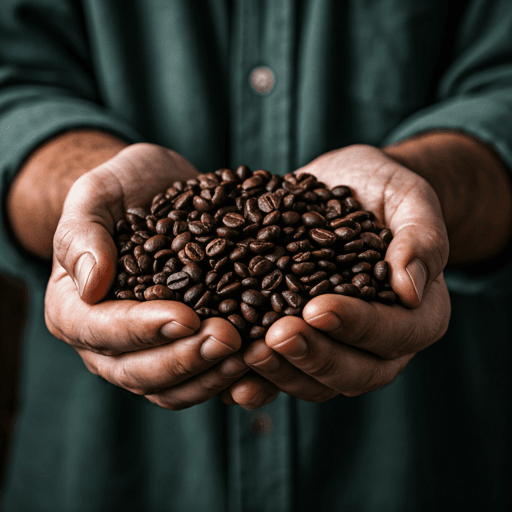
A coffee bean variety is shaped by three things: the species (arabica, robusta, liberica or excelsa), the cultivar within that species (think Kent, S795, Cauvery, SLN), and how the cherry is processed after picking (washed, natural, honey, or specials like monsooned malabar). Once you know those three layers, almost any coffee label starts to make sense. This guide walks through each layer with real Indian examples, honest taste notes, and rough INR bands so you can choose beans with confidence.
We will keep the two big species head-to-head short, because we cover that in depth in arabica vs robusta beans explained. Here the focus is the wider family: the lesser-known species, the cultivars India actually grows, and the processing that decides how your cup tastes.
What a coffee bean variety really means
People use "variety" loosely. In practice it folds together three separate ideas, and each one changes the flavour in the cup.
- Species — the botanical type of coffee plant. Four are commercially relevant: arabica, robusta, liberica, excelsa. This sets the broad taste, caffeine and acidity.
- Cultivar (varietal) — a selected sub-type within a species, bred or chosen for yield, disease resistance or flavour. Kent, S795, Cauvery and SLN-9 are Indian arabica cultivars.
- Processing — how the fruit is removed and the bean dried. Washed, natural and honey are the main routes; monsooned malabar is a famous Indian special.
A bag that says "Plantation A, S795, washed" is telling you all three. If you only remember one thing: species sets the baseline, cultivar fine-tunes it, and processing can swing the cup more than people expect.
If you searched for a clean "coffee bean png" graphic for a menu or deck, that is an image-asset hunt, not a botanical type. Use a royalty-free stock or icon site for the cut-out artwork; this guide covers the real beans behind those pictures.
The four coffee species
Arabica and robusta make up roughly 95% of world production. Liberica and excelsa are rare and grown mostly in parts of Southeast Asia and West Africa. Here is the honest comparison.
| Species | Share of world crop | Taste profile | Caffeine | Typical use |
|---|---|---|---|---|
| Arabica | ~60-70% | Smoother, sweeter, fruit/chocolate/floral notes, more acidity | Lower | Specialty, single origin, premium blends |
| Robusta | ~30-40% | Bolder, earthy, dark-chocolate, more bitter, heavy crema | Higher (roughly double) | Espresso body, instant, South Indian filter blends |
| Liberica | Under 2% | Smoky, woody, nutty, jackfruit-like aroma, big body | Medium | Niche regional coffees, novelty lots |
| Excelsa | Tiny | Tart, fruity, berry-like; once thought separate, now grouped with liberica | Medium | Blended for complexity |
For a full deep-dive on the two species you will actually buy, read arabica vs robusta beans. For the India lens on which species and regions to pick, see types of coffee beans in India. Liberica and excelsa are worth tasting once for curiosity, but you will rarely see them on an Indian shelf.
Indian arabica cultivars worth knowing
India does not grow generic "arabica". It grows specific selections, most bred for resistance to leaf rust. These are the names you see from estates in Coorg (Kodagu), Chikmagalur, Baba Budangiri and the Western Ghats.
| Cultivar | Origin / note | Character in the cup |
|---|---|---|
| Kent | India's legacy selection, chosen by an English planter early last century for rust tolerance | Classic, balanced, mild; a benchmark old-school arabica |
| S795 | 1940s cross of Kent and S288; a large share of Indian arabica acreage | Soft, sweet, nutty, reliable; the everyday Indian arabica |
| Cauvery (Catimor) | Catimor type, draws from Caturra and the robusta-arabica Timor hybrid | Higher yield, sturdier; can be a touch flatter than older selections |
| SLN-9 / Sln types | Selection series with Ethiopian/Tafarikela parentage | Fruitier, brighter; a specialty favourite for single-origin lots |
Robusta in India is led by selections often labelled simply as washed robusta or, at the top end, Kaapi Royale. You will also see single-origin Indian arabica from newer regions like Araku Valley (Andhra) and Koraput (Odisha) — for that story see Indian single-origin coffee from Koraput.
How cultivar shows up on a label
Most retail bags lead with brand and roast, then mention region and sometimes the cultivar in small print. Specialty roasters like Blue Tokai, Black Baza and Beanrove often print the estate, cultivar and processing because that is exactly what their buyers want. Big commercial brands rarely list cultivar at all.
Processing: washed, natural, honey and beyond
Processing is how the bean is separated from the fruit and dried. It is the layer most people underrate, yet it can change a cup more than the cultivar.
| Process | What happens | Cup effect |
|---|---|---|
| Washed (wet) | Fruit pulped off, beans fermented and washed before drying. ~80% of Indian arabica | Clean, bright, clear acidity; cultivar and origin show clearly |
| Natural (dry / "cherry") | Whole cherry sun-dried with fruit on, then hulled | Fruity, heavier body, sweeter, more rustic; lower acidity |
| Honey / pulped natural | Skin removed but sticky mucilage left on during drying | Middle ground: body of natural, some clarity of washed |
| Monsooned Malabar | Beans exposed to monsoon winds on the Malabar coast for 12-16 weeks; they swell and pale | Very low acidity, earthy, mellow, full-bodied; a signature Indian style |
In Indian grading language, washed arabica is sold as "Plantation" and dry-processed coffee as "Cherry". That is why you see bags labelled Plantation A or Cherry AB. For green vs roasted and roast levels (which is a different axis again), read green vs roasted coffee beans.
Peaberry: a natural one-off
Peaberry is not a species or a process. It is a natural quirk where only one seed forms inside the cherry instead of two, so the bean is small, dense and round. Peaberries are around 5-10% of any crop and are sorted out separately, often labelled "PB" (for example Plantation PB). Fans say the round shape roasts evenly and gives a more concentrated cup. It is a fun bag to try, not a must-have.
Indian coffee grades decoded
Indian grading is mostly about bean size and defects, not directly about flavour — but bigger, cleaner grades usually drink better. The labels combine the processing word with a size letter.
| Label | Meaning |
|---|---|
| Plantation A / AA / AAA | Washed arabica, sorted by size (AAA largest); A is the common premium grade |
| Plantation PB | Washed arabica peaberry |
| Cherry AB | Dry-processed (natural) arabica, A and B screen sizes mixed |
| Parchment Robusta A/AB | Washed robusta, sorted by size |
| Kaapi Royale | Top-tier washed robusta, large 17-screen beans re-graded for specialty use |
| Monsooned Malabar AA | The monsooned special, top size grade |
For where these land on a price ticket, see our retail coffee beans price guide and the green/farm-gate view in arabica coffee price in India. For buying advice by roast and freshness rather than grade, read the best coffee beans buying guide.
How to choose a variety for your cup
Match the variety to how you brew and what you like, not to hype on the bag.
- Want clean, bright, single-origin character? Washed arabica — an S795 or SLN from Chikmagalur or Araku.
- Love strong espresso with thick crema? A blend with a good chunk of robusta, or Kaapi Royale for a cleaner robusta.
- Prefer mellow, low-acid, easy on the stomach? Monsooned Malabar or a darker natural.
- Curious about fruit-forward cups? Naturals and honey-processed micro-lots from specialty roasters.
- Making South Indian filter coffee? A robusta-leaning blend with chicory — see best filter coffee powder.
Whole bean almost always tastes fresher than pre-ground, because grinding multiplies the surface area exposed to air. If you are weighing whole bean vs ground vs powder, our explainer on ground coffee vs beans vs powder lays out the trade-offs, and how to grind coffee beans at home covers doing it yourself.
Bringing it together
Read any bag as three layers: species, cultivar, processing. Arabica or robusta tells you the baseline. Kent, S795, Cauvery or SLN fine-tunes it. Washed, natural, honey or monsooned decides clarity versus body. Add the grade for size and cleanliness, and you can predict the cup before you brew it.