
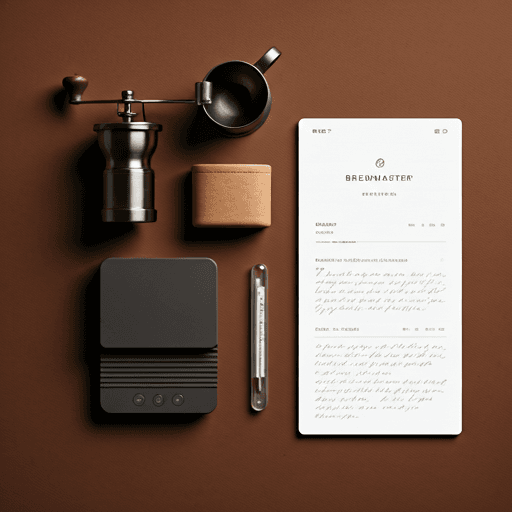
Grinding coffee beans at home is simple once you match the grind size to your brewer: fine for espresso, medium for South Indian filter and pour-over, coarse for French press and cold brew. Use a burr grinder if you can, grind only what you will brew in the next few minutes, and adjust by taste. That single habit does more for flavour than switching brands, because freshly grinded coffee beans lose their best aromatics within minutes of being cut.
This guide covers the grind size for every common brew, how to choose between a blade and a burr grinder, settings to start from, and a no-jargon way to fix coffee that tastes sour or bitter. It is written for Indian kitchens, where most homes brew filter kaapi, French press, moka pot or a small espresso machine.
Why grinding coffee beans at home matters
Whole beans hold their flavour. The moment you grind, you expose a huge amount of surface area to air, and the volatile oils that carry aroma start escaping. Pre-ground coffee powder from a packet is convenient, but it is already hours or weeks past that peak. Grinding coffee beans yourself, just before you brew, is the cheapest upgrade in the whole chain.
Grind size also controls extraction. Finer grounds expose more surface, so water pulls flavour out faster. Coarser grounds extract slower. Get the size wrong for your brewer and even great beans taste thin, sour or harsh. That is why one grind does not fit every method, and why a packet of generic ground coffee powder rarely shines across espresso, filter and press alike.
Rule of thumb: the longer water sits with the coffee, the coarser the grind. Espresso (seconds) is the finest. Cold brew (hours) is the coarsest.
Grind size chart for every brew
Use this as your starting map, then fine-tune by taste. The "texture" column is the most useful guide if your grinder has no numbers.
| Brew method | Grind size | Feels like | Why |
|---|---|---|---|
| Espresso / pod-style machines | Fine | Fine table salt to powdered sugar | 9 bar pressure, 25-35 sec shot |
| Moka pot (stovetop) | Fine-medium | Slightly coarser than espresso | Pressure brew, but lower than espresso |
| South Indian filter (kaapi) | Medium-coarse | Coarse sand, ~700-1000 microns | Gravity drip through a brass/steel filter |
| Pour-over / drip | Medium | Fine beach sand to fine sand | 2-4 min contact, even bed |
| AeroPress | Medium-fine | Between drip and espresso | Short, pressed extraction |
| French press | Coarse | Sea salt, chunky | 4 min steep, mesh filter, less sediment |
| Cold brew | Extra coarse | Coarse breadcrumbs | 12-24 hr steep, avoid over-extraction |
The South Indian filter setting trips up the most people. It is not powdery despite being called "filter coffee powder" in shops. A true decoction grind is medium-coarse so water drips through cleanly without choking the lower chamber. If yours runs slow and bitter, go coarser. We cover the brew itself in the filter coffee decoction how-to, and the cultural side in what is South Indian filter coffee (kaapi).
Burr grinder vs blade grinder
This is the one piece of gear that decides whether grinding coffee beans at home is worth it. There are two types, and they are not close in quality.
| Burr grinder | Blade grinder | |
|---|---|---|
| How it works | Crushes beans between two abrasive burrs set a fixed distance apart | Chops beans with a spinning blade, like a small mixer |
| Consistency | Even particle size | Uneven mix of dust and chunks |
| Grind control | Repeatable settings for each brew | Guesswork by timing |
| Heat / aroma | Runs cooler, protects flavour | Friction heat can dull flavour |
| Price in India | From around INR 4,000-7,500 for home electric burr units | From around INR 500-1,500 |
A blade grinder makes coffee that is partly over-extracted (the dust) and partly under-extracted (the chunks) in the same cup. It works in a pinch for French press, where unevenness matters least, but it cannot give you a clean espresso or a consistent filter. If you brew daily, a burr grinder pays for itself. For a deeper buyer breakdown, see the coffee grinder buying guide for India.
Manual vs electric burr grinders
A hand grinder (think ceramic-burr models around INR 1,300-4,500) is cheap, quiet and travel-friendly, and grinds well for filter or press. The trade-off is effort: grinding a fine espresso dose by hand is a workout. Electric burr grinders cost more but are faster and more repeatable, which matters most for espresso. If you mostly brew filter, French press or pour-over, a good manual grinder is plenty.
How to grind coffee beans at home, step by step
- Weigh your beans. A kitchen scale removes guesswork. A common starting ratio is 1:15 to 1:17 coffee to water by weight (around 15-17 grams per 250 ml).
- Set the grind for your brewer using the chart above. On a numbered grinder, start near the middle and move toward fine or coarse.
- Grind only what you will brew now. Ground coffee powder goes stale fast. Whole beans keep for weeks.
- Brew and taste. Note whether it is sour or bitter before you change anything.
- Adjust one thing at a time. Change grind size first, not the ratio, then re-taste.
Keep a small notebook or phone note of the setting that worked for each bean. Roast level and bean age shift the ideal grind, so last month's number is a starting point, not a law.
Dialling in: fix sour or bitter coffee
Most home brewing problems are grind problems, and they are easy to read.
- Sour, weak, watery, or the shot runs fast? Under-extracted. Grind finer (or steep a little longer).
- Bitter, harsh, dry, or the shot chokes and drips slowly? Over-extracted. Grind coarser (or shorten the brew).
- Espresso pulling in under 20 seconds? Too coarse. Go finer until you land in the 25-35 second window.
- Filter coffee dripping painfully slowly? Too fine. Go coarser so the decoction flows in a few minutes.
Change grind in small steps and brew again. Two or three rounds usually lands a bean. This is the same loop a cafe barista runs, just at your kitchen counter.
Freshness and storage
Buy whole beans, not powder, if you have a grinder. Store them in an airtight, opaque container away from heat, light and moisture, and use within three to four weeks of the roast date for the best cup. Do not refrigerate beans; the cycling humidity is worse than a cool, dark shelf. Grind right before brewing, every time.
Do you even need to grind your own?
If you do not own a grinder yet, good pre-ground coffee still makes a fine cup, especially for filter and French press. The catch is that one grind size is a compromise across brewers. If you only ever make filter coffee, buying a matched filter-coffee powder is reasonable. If you switch between espresso, pour-over and press, grinding your own whole beans is the flexible, fresher choice. The difference between whole beans, grinded coffee beans and packaged powder is laid out in ground coffee vs coffee beans vs powder, and for picking beans worth grinding, see the best coffee beans in India buying guide.