
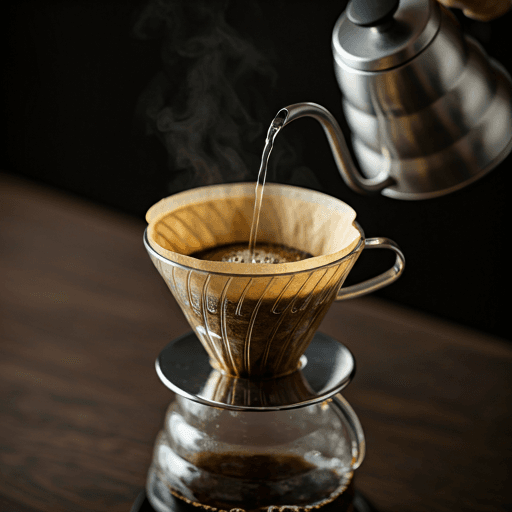
The best filter coffee powder in India is the one whose coffee-to-chicory ratio matches your taste. For most homes, an 80:20 (80% coffee, 20% chicory) dark-roast blend from a trusted South Indian brand like Cothas, Levista, Narasu's, Continental Malgudi or Coffee Day is the safe, balanced starting point. Want a thicker, sweeter, more old-school cup? Go 60:40. Want pure coffee character with no chicory at all? Buy a 100% peaberry or plantation roast. This guide walks through the real brands, ratios, roasts and price bands so you can pick the right coffee powder for filter coffee with confidence.
What makes a good filter coffee powder?
South Indian filter coffee is a slow decoction, not an espresso shot and not an instant stir. The powder sits in a brass or steel filter, hot water drips through it for several minutes, and the dark decoction that collects below is mixed with hot milk and sugar. Because the brew method is unforgiving, three things decide whether a powder makes a good cup.
- The bean blend. Arabica gives aroma, sweetness and a cleaner finish. Robusta gives strength, body and crema-like froth. Most filter powders are an Arabica-Robusta mix; premium ones lean Arabica or use round peaberry beans. For the species head-to-head, see our Arabica vs Robusta explainer.
- The roast. Filter coffee wants a medium-dark to dark roast. That deep roast is what gives kaapi its bittersweet, caramel-and-cocoa backbone.
- The grind and freshness. Filter coffee needs a medium-fine grind, finer than a French press but coarser than espresso. And it must be fresh. Roast-and-ground powder loses aroma within weeks of opening, so buy the pack size you will finish in 3-4 weeks.
The fourth and most debated factor, chicory, deserves its own section.
Coffee-to-chicory ratio, decoded
Chicory is a roasted root, not a coffee bean. It is caffeine-free, and it adds body, a dark colour, a mellow earthy-sweet note, and a thicker decoction that froths well when poured between tumbler and dabarah. It also stretches the coffee, which is why chicory blends are cheaper per cup. Too much chicory and the cup tastes flat and "woody"; too little and a thin decoction can taste sharp. The ratio printed on the pack, written as coffee:chicory, is the single most important number to read before you buy.
| Ratio (coffee:chicory) | Common name | Taste & body | Best for |
|---|---|---|---|
| 100:0 (pure) | Peaberry / plantation | Cleanest coffee aroma, lighter body, no chicory sweetness | Purists, single-origin lovers, those avoiding chicory |
| 85:15 to 80:20 | Madras / Speciality blend | Balanced, strong, aromatic with just enough body | Most home drinkers — the safe default |
| 70:30 | Degree / Premium blend | Richer, creamier, thicker froth, slightly less caffeine | People who like a fuller, traditional cup |
| 60:40 | Breakfast / strong blend | Thickest body, darkest colour, sweet-earthy, lowest caffeine | Old-school taste, hotels, cost-conscious daily brewing |
Note that higher chicory means less caffeine, not more, even though the cup looks darker and stronger. If you find 80:20 too sharp, move to 70:30 before you blame the brand. If 60:40 tastes muddy, move up to 80:20. The "best coffee powder for filter coffee" is genuinely a personal calibration, and it usually takes two or three packs to find your number.
Best filter coffee powder brands in India
Below are the established South Indian brands you will actually find on Amazon, BigBasket, Flipkart, instant-delivery apps and neighbourhood stores. Treat these as honest comparisons of widely sold blends, not a ranked leaderboard — the "best Indian filter coffee powder" depends on your ratio and roast preference. For the deeper brand-by-brand roundup, see South Indian coffee powder brands.
| Brand | Notable blends & ratios | Profile | Typical price band |
|---|---|---|---|
| Cothas (Bengaluru) | Speciality 85:15, Premium 70:30, Cotha Blend 60:40 | Strong, aromatic, cafe-grade; widely used in South Indian kitchens | Around ₹250-300 / 500g |
| Levista (SLN, Hassan) | Roast & Ground 80:20 (also 53-degree variants) | Bold, modern dark roast, consistent | Around ₹95-140 / 200g; ~₹400-490 MRP / 500g |
| Continental Malgudi | 80/20, 60/40, 53-degree "Fresh" line | Classic Tamil Nadu profile, several strengths | Around ₹120-210 / 200g |
| Narasu's (Tamil Nadu) | Pure Filter, Premium blends | Chicory-forward, legendary in TN homes | Around ₹250-320 / 500g |
| Leo (Leo Coffee, Chennai) | Madras 80:20, Degree 70:30, Breakfast 60:40 | Heritage Chennai roaster, clearly labelled ratios | Around ₹150-260 / 500g |
| Coffee Day Fresh & Ground | Perfect (filter), Peaberry 100%, Charge 60:40 | Reliable retail blends plus a pure peaberry option | Around ₹70-110 / 200g |
A few honest notes. Cothas, Leo and Narasu's are the names you will hear most in serious filter-coffee homes; they roast for body and aroma. Levista and Continental are easy to find on quick-commerce apps and give a dependable dark-roast cup. Coffee Day's Peaberry is one of the few mainstream 100% (no-chicory) filter powders, useful if you want to taste the coffee alone. Prices above are realistic "around" bands as of 2026 — they shift with pack size, region and discounts, so always check the live price on the pack. For powder pricing in general, see our coffee powder price per 1kg guide, and for whole-bean rates, the coffee beans price guide.
How to choose for your situation
- First-timer / unsure: Start with any 80:20 dark roast (Levista, Cothas Speciality, Continental Malgudi 80/20). It is the most forgiving.
- You like a thick, sweet, milky kaapi: Go 60:40 (Cothas Cotha Blend, Coffee Day Charge, Leo Breakfast).
- You want to taste the coffee, not the chicory: Buy a 100% peaberry or plantation roast and brew it a touch stronger.
- You run a tea stall, mess or office pantry: 70:30 gives the best decoction yield and consistent cost per cup, which is why many hotels prefer it.
Filter coffee powder vs other coffee powders
"Coffee powder" is an ambiguous word in India. Make sure you are buying roast-and-ground filter coffee powder, not instant. They are not interchangeable.
| Type | What it is | How you use it |
|---|---|---|
| Filter coffee powder (roast & ground) | Ground roasted beans, usually with chicory | Brewed slowly in a South Indian filter to make decoction |
| Instant coffee powder | Brewed coffee dried into soluble granules | Dissolves directly in hot water or milk |
| Whole coffee beans | Roasted beans you grind yourself | Grind fresh, then brew (most aroma, most effort) |
If this distinction is new to you, read ground coffee vs coffee beans vs powder. Prefer buying whole beans and grinding at home? See our home grinding guide and grinder buying guide — for filter coffee you want a medium-fine grind, not espresso-fine.
Getting the most from your filter coffee powder
Even the best filter coffee powder underperforms with the wrong gear or technique. A few practical pointers:
- Use the right filter. Brass holds heat and many drinkers swear it gives a rounder cup; steel is cheaper and easier to maintain. We compare them in brass vs steel coffee filters.
- Dose generously. About two heaped tablespoons of powder per cup of decoction. Tamp lightly, do not pack hard.
- Use water just off the boil, around 90-95°C. Let it drip undisturbed for 10-15 minutes for a strong, syrupy decoction.
- Store it airtight and cool. Decant into an airtight steel or glass jar, keep it away from light and heat, and finish within a month of opening.
For the full brew walkthrough, follow our how to make filter coffee decoction guide, and for the cultural and flavour background read what is South Indian filter coffee (kaapi). If you are choosing equipment, the best filter coffee maker buying guide covers traditional filters and electric drip options side by side.
Where to buy filter coffee powder near you
You do not need a specialist store. Filter coffee powder is sold almost everywhere in India:
- Quick-commerce apps (Blinkit, Zepto, Swiggy Instamart, BigBasket) stock Levista, Continental, Cothas and Coffee Day in 200g and 500g packs for fast delivery.
- Amazon and Flipkart carry the widest range, including 500g and 1kg packs and the harder-to-find pure peaberry blends.
- Local roasters and grocers in coffee cities will grind fresh to your chosen ratio while you wait — the freshest possible option. To find one, see coffee roasters near you and where to find great filter coffee near you. In hubs like Coimbatore, Chennai and Bengaluru, fresh roast-and-ground counters are common.
Buy small the first time. Try two ratios from one brand, find your number, then size up.