
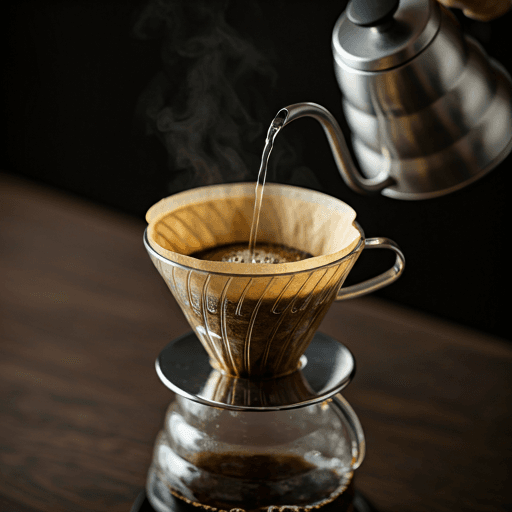
A good filter coffee maker is the simplest way to brew a smooth, low-acid cup at home or in the office, and in India you really have two distinct families to choose from: the traditional South Indian steel filter that drips a strong decoction, and the electric drip filter coffee maker that brews a full pot at the press of a button. The right pick depends on how many cups you need, how much ritual you enjoy, and whether you want filter coffee or a milder American-style brew. This guide walks through both, with India prices, brands you can actually buy, and how to choose the right filter so you get the same cup every single morning.
Filter coffee maker basics: two very different machines
The phrase "filter coffee maker" gets used for two things in India, and confusing them is the most common buying mistake we see. Knowing which one you want makes everything else easy.
The traditional South Indian filter (kaapi filter)
This is the two-chamber stainless steel filter that sits on most South Indian kitchen shelves. Coffee powder goes in the top chamber, you tamp it with the perforated press disc, pour hot water on top, and gravity does the rest over 10 to 15 minutes. The result is a thick, intense decoction you mix with hot milk and sugar to make classic kaapi. There is no electricity, no paper, and almost nothing to break. It is also the cheapest entry point in this category.
The electric drip filter coffee maker
This is the countertop machine with a water tank, a heating plate, and a glass carafe. You add water and ground coffee, switch it on, and hot water automatically drips through the grounds into the pot. It brews 4 to 12 cups in a few minutes and keeps them warm. This is what most offices and larger families mean when they say they want a filter coffee maker, because it is hands-off and brews in volume.
Simple rule: if you want strong decoction for milk-based kaapi, buy a steel filter. If you want a pot of ready-to-drink black or light coffee with no babysitting, buy an electric drip machine.
How to choose the right filter coffee maker
Once you know which family you are in, six factors decide the right model. Run through them in order before you spend anything.
- Cups per brew. Be honest about peak demand, not average. A two-person home is happy with a 2 to 4 cup unit; a family or a 6 to 10 person office should look at 6 to 12 cup carafes so nobody waits for a second batch.
- Decoction strength vs. ready-to-drink. Steel filters and decoction-style brewers give you concentrate to dilute with milk. Drip machines give you a finished, drinkable cup. Pick the output you actually want in the mug.
- The filter itself. This is the part people ignore and regret. We cover the filter for coffee maker choices in detail below, because mesh type and material change both taste and maintenance.
- Grind compatibility. Indian filter coffee powder is fine; most drip baskets prefer a medium grind. A machine that clogs on fine powder will frustrate you daily.
- Build and serviceability. Food-grade stainless steel lasts for years. For electric units, check that spares like the carafe, basket, and filter are available in India so one cracked part does not retire the whole machine.
- Cleaning effort. A removable, rinse-and-go basket or a dishwasher-safe steel filter saves you ten minutes a day over a fiddly fixed design.
The filter for your coffee maker: material and mesh
The single most important component is the filter for coffee maker brewing, and you broadly choose between three options. Each changes the cup.
Stainless steel mesh
A reusable, fine-mesh steel filter is the workhorse of Indian filter coffee. Look for food-grade 304 stainless steel. It lets the natural coffee oils through, giving a fuller body, and it lasts effectively forever with no recurring cost. The trade-off is a little fine sediment at the bottom of the cup and the need to rinse it after every brew. This is what the traditional kaapi filter uses, and it is the most economical filter coffee filter over time.
Paper filters
Common on Western-style drip machines, paper traps oils and fines for a cleaner, brighter cup. It is convenient and disposable, but you have to keep buying refills, and authentic supply of the right size can be patchy in smaller Indian cities. Great if you prefer a light, tea-clear coffee.
Permanent nylon or cloth
Reusable cloth (the "sock" style) and nylon mesh sit in the middle: more body than paper, less sediment than steel. Cloth needs careful drying to avoid odours, so it suits hobbyists more than busy offices.
| Filter type | Cup style | Recurring cost | Best for |
|---|---|---|---|
| Stainless steel mesh | Full body, slight sediment | None | Traditional kaapi, daily use |
| Paper | Clean, bright, light | Refills needed | Western drip, milder coffee |
| Nylon / cloth | Medium body | Low / occasional replace | Hobbyists, small homes |
Filter coffee maker price guide for India
Prices move with steel quality, capacity, and brand, but these bands hold true and help you set a realistic budget.
- Traditional steel filter (kaapi filter): roughly ₹300 to ₹1,500, depending on size (commonly 4 to 8 cups) and steel grade. A solid 400 ml, 6 to 8 cup steel filter sits around ₹700 to ₹900.
- Entry electric drip machine (4 to 6 cups): roughly ₹1,200 to ₹2,500. Trusted picks like the Morphy Richards Europa brew about 6 cups with a keep-warm plate near the ₹1,500 mark.
- Mid-range drip (6 to 12 cups, programmable): roughly ₹2,500 to ₹6,000, adding timers, larger carafes, and better baskets, useful for busy homes and small offices.
- Office / commercial filter brewers: ₹15,000 and up, built for back-to-back batches and all-day reliability. For a high-traffic pantry, also weigh a bean-to-cup or vending unit instead.
For a deeper cost breakdown across machine types, our coffee machine price guide for India lays out what each budget actually buys you.
Brands and models worth shortlisting in India
On the traditional side, well-finished stainless steel filters from kitchenware makers and dedicated brands brew authentic decoction for very little money; the key is heavy-gauge steel and a snug press disc. On the electric side, names like Morphy Richards, Philips, Inalsa, Pigeon, Preethi, and Bajaj are widely available with after-sales support across the country. If your priority is South Indian kaapi specifically, a steel filter plus a small milk pan beats most electric machines on flavour and price. If your priority is volume and convenience, a 6 to 12 cup drip machine wins.
Still deciding between brewing styles altogether? Compare methods in our filter coffee pot vs percolator guide, and if you love the tradition, read what South Indian filter coffee (kaapi) really is.
Home, office, or cafe: matching the machine to the place
Home
For one or two people, a steel kaapi filter or a 2 to 4 cup drip machine is plenty and cheap to run. Families should size up to 6 cups so the morning rush is covered in one brew. See our roundup of the best coffee machines for home in India if you want to compare drip against pod and espresso options.
Office
Offices need volume, simplicity, and minimal cleaning. A 10 to 12 cup drip brewer works for a small team, but past 15 to 20 cups a day a vending or bean-to-cup machine is usually the better, lower-fuss answer. Our tea and coffee vending machine guide for offices covers that tipping point.
Cafe or institution
High-traffic settings should treat a filter brewer as a batch workhorse alongside espresso, with a focus on uptime, easy spares, and a service contract. Repeatability matters more than novelty here.
Getting a great cup every time
The machine is only half the story. A few habits make any filter coffee maker brew better: use fresh, correctly ground coffee (fine for steel kaapi filters, medium for drip baskets); keep your coffee-to-water ratio consistent so the cup is repeatable; use water just off the boil rather than fully boiling; and rinse the filter promptly so old oils do not turn the next brew bitter. Descale electric machines every few weeks in hard-water cities. Do these and the difference between an okay cup and a great one disappears.
The bottom line
Choose a traditional steel filter if you want authentic, strong kaapi for almost no money and do not mind a 10 minute drip. Choose an electric drip filter coffee maker if you want a hands-off pot of coffee in volume for a home or office. Either way, the filter material and the right capacity matter more than the badge on the box.