
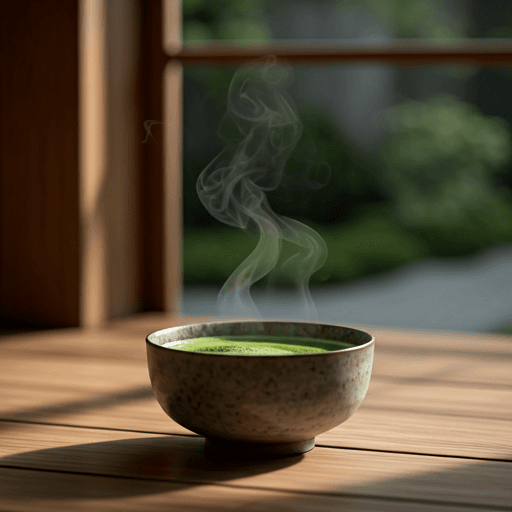
Dilmah tea is a family-owned Sri Lankan tea brand that grows, picks, blends and packs its leaf at origin rather than shipping it abroad to be blended by someone else. Founded by the tea pioneer Merrill J. Fernando, it built its reputation on one promise: 100% single-origin Ceylon tea, sold garden-fresh. Here is who Dilmah is, what makes it distinctive, the range you will find on a shelf, and how to brew it so it tastes its best.
What is Dilmah tea?
Dilmah tea is a brand of pure Ceylon tea, meaning every leaf is grown in Sri Lanka (historically called Ceylon, which is where "Ceylon tea" gets its name). What set it apart from the start was the business model behind it. For most of the 20th century, tea was grown in countries like Sri Lanka, then shipped in bulk to be blended and packaged by large companies elsewhere. Dilmah flipped that: it is a producer-owned brand, so the same family that has a stake in the gardens also does the blending and packing on the island.
The name itself is a family story. "Dilmah" combines the first names of the founder's two sons, Dilhan and Malik. The brand reached store shelves in 1988, when it began appearing in supermarkets in Australia, and it has since grown into one of the larger tea brands sold worldwide. It is widely distributed across Europe, North America, the Middle East, Asia and Oceania, which is why you may have seen the same packaging in very different parts of the world.
Who is Merrill J. Fernando?
Merrill J. Fernando was the Sri Lankan businessman behind Dilmah, and his story is the reason the brand exists. As a young man he trained in the London tea trade and saw how the global system worked: origin countries supplied cheap raw leaf, while the value, the branding and most of the profit stayed abroad. He spent decades wanting to change that, and in the 1980s he launched a brand that was grown, made and owned at origin, sold under its own name.
That ethos extends past commerce. Fernando tied the business to a charitable mission, channelling part of the company's income into the MJF Charitable Foundation, which funds community, education and environmental work in Sri Lanka. He stepped back from day-to-day leadership in 2019 and the company passed to the next generation. When he died, he was widely remembered as the person who introduced single-origin tea to the international mass market. You do not need to take any of this as an endorsement; it is simply the brand's documented history.
What makes Dilmah distinctive
Three ideas sit at the centre of the brand, and they are worth separating because they often get blurred together.
- Single origin. Dilmah Ceylon tea is sourced entirely from Sri Lanka, not blended with leaf from multiple countries. If you want to understand what that origin gives a cup, our guide to Ceylon tea covers the regions and character in depth.
- Packed at origin. Because blending and packing happen on the island, the leaf spends less time sitting in a warehouse or container before it is sealed. The brand markets this as "garden fresh," and freshness genuinely matters for black tea aroma.
- Traceability and ethics. Producer ownership makes the supply chain shorter and easier to trace, and the charitable foundation is part of the company's public identity.
None of this makes it the only good tea, and "single origin" is a category rather than a guarantee of personal taste. But it does explain why the brand is positioned the way it is, and why it sits apart from the big multi-origin blends like the ones covered in our explainer on black tea.
The Dilmah range at a glance
The range is broad, spanning everyday tea bags to gourmet loose leaf. The lines below are the ones you are most likely to meet.
| Line | What it is | Notes |
|---|---|---|
| Ceylon black (Premium / Original) | Everyday pure Ceylon black tea in bags and loose leaf | The brisk, bright "house" style; English/Brilliant Breakfast and Earl Grey style blends sit here |
| Ceylon Gold / Supreme | A step up in leaf grade within the black range | Marketed as a finer everyday cup; still single origin |
| Green tea | Ceylon green, plain and lightly flavoured | Lighter, more vegetal; brews cooler and shorter than black |
| Flavoured and fruit / herbal infusions | Black or green base with fruit, spice or floral notes, plus caffeine-free tisanes | Examples include blackcurrant and other fruit blends; herbal infusions have no true tea leaf |
| t-Series (gourmet) | Designer single-estate and seasonal teas, mostly loose leaf | The premium tier; includes rare and seasonal-flush teas |
| Watte (single region) | Teas from defined elevations: Ran, Uda, Meda and Yata Watte | "Watte" means estate; sold to show how altitude changes flavour, peak to low grown |
If the idea of teas from one named estate or elevation appeals to you, our tea garden explainer unpacks how growing altitude and location shape what ends up in the cup.
What Dilmah Ceylon tea tastes like
The signature of Dilmah Ceylon tea is its black tea: bright, brisk and medium-bodied, with a clean citrusy edge and a touch of malt. "Brisk" is the classic tasting word for good Ceylon black: it is lively and a little astringent rather than heavy or smoky, which makes it an easy all-day cup that takes milk or lemon comfortably. The infusion runs a deep amber to coppery red.
Flavour shifts with the line. Higher-grown teas (the peak and high-elevation Watte styles) tend to be more delicate and aromatic, while lower-grown leaf is fuller and stronger. The green teas are lighter and more grassy, and the flavoured blends layer fruit or bergamot over that Ceylon base. To place Ceylon black against other tea families, see our overview of the main types of tea.
How to brew Dilmah tea well
Ceylon black tea rewards hot water and a short, attentive steep. Here is a reliable method.
- Start with fresh, cold water and bring it to a rolling boil, around 95-100°C (200-212°F). Black tea wants near-boiling water.
- Use roughly one tea bag, or about one teaspoon of loose leaf, per cup (around 200 ml).
- Pour the water straight over the leaf or bag and cover so the heat stays in.
- Steep about 3 to 5 minutes. Shorter is lighter and brighter; longer is stronger and more astringent.
- Remove the bag or strain the leaf. Add milk or a slice of lemon if you like, or drink it plain.
Green and white teas from the range need gentler treatment: cooler water, roughly 70-80°C (160-175°F), and a shorter steep of about 1 to 3 minutes, or they turn bitter. Herbal infusions are flexible and can steep longer.
| Type | Water temp | Steep time |
|---|---|---|
| Ceylon black | 95-100°C / 200-212°F | 3-5 minutes |
| Green | 70-80°C / 160-175°F | 1-3 minutes |
| Herbal infusion | ~100°C / 212°F | 5+ minutes |
How Dilmah fits among tea brands
Plenty of well-known brands sell Ceylon tea, but most large supermarket brands blend leaf from several origins for consistency and price. Dilmah's pitch is the opposite: stay single origin, and let the character of Sri Lankan tea come through. That makes it a useful brand to taste if you want to learn what Ceylon actually offers, rather than a generic everyday blend. Whether its brisk, citrusy style suits you is personal, and the best way to find out is to brew it properly and compare it side by side with whatever you usually drink.
The bottom line
Dilmah is a single-origin Ceylon tea brand with a clear origin story: a Sri Lankan family that decided to grow, make and sell tea under its own name instead of shipping it away. The everyday black tea is bright and brisk, the range runs from supermarket bags to gourmet single-estate loose leaf, and it all responds to the same simple rule, hot water and a watched steep. If this has you curious about the wider world of Sri Lankan tea, read on in our Ceylon tea guide and explore from there.