
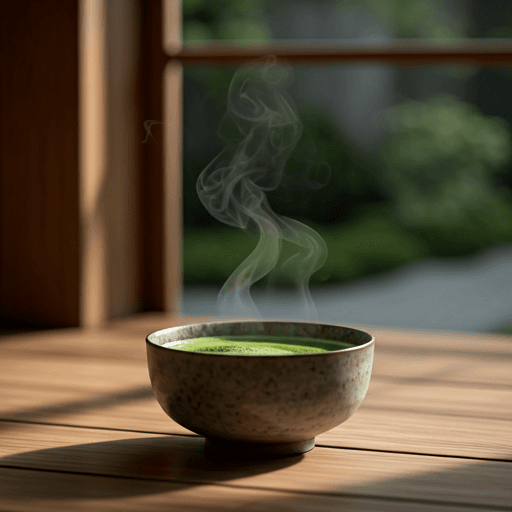
Decaf earl grey is simply Earl Grey tea with most of its caffeine taken out: a black-tea base is decaffeinated first, then scented with oil of bergamot, the citrus fruit that gives this British classic its signature perfume. The result keeps the bright, floral-citrus aroma you expect from the original but delivers only a trace of caffeine, which makes it a natural pick for an evening cup or for anyone watching their intake.
What is decaf earl grey tea?
To understand decaf earl grey, start with regular Earl Grey. Classic Earl Grey is a black tea flavoured with oil of bergamot (Citrus bergamia), a fragrant citrus grown mainly in southern Italy. That bergamot oil is what makes the cup smell of lemon, orange blossom and a hint of sweetness rather than plain black tea. For the full story of the original, see our guide to Earl Grey tea.
A decaffeinated Earl Grey tea uses the same idea, with one extra step. The black-tea leaves are run through a decaffeination process that strips out roughly 97 percent or more of their caffeine, and then the bergamot flavour is added. So you get the same recognisable citrus character built on a base that is now low in caffeine. Because the flavouring happens after decaffeination, the bergamot aroma is largely unaffected by the process.
One spelling note for searchers: you will see this written as both "decaf Earl Grey" and the American "decaf Earl Gray." They are the same drink. "Grey" is the dominant British spelling and the one used for the historical Earl, while "Gray" is a common variant. You may also see it labelled "Earl Grey decaffeinated" or "decaffeinated Earl Grey tea" on the box.
Is decaf earl grey actually caffeine-free?
No. This is the single most important thing to know: decaf does not mean zero. Decaffeination removes most of the caffeine, but a small trace always remains. A regular cup of Earl Grey typically carries about 40 to 70 mg of caffeine, depending on the leaf, the dose and how long you steep. A cup of decaf Earl Grey usually lands somewhere around 2 to 8 mg instead, roughly a tenth or less of the original.
That trace is tiny compared with coffee or full-caffeine tea, but it is not nothing. If you need a drink with truly no caffeine at all, decaf tea is not the answer, and we cover the genuinely caffeine-free route further down. For more on how decaffeinated teas in general work and what to expect, see our explainer on decaf tea.
How Earl Grey is decaffeinated
The black-tea base can be decaffeinated by a few different methods, and the one used affects flavour and how "clean" the process feels. The three you will see most often are:
- Carbon dioxide (CO2) process. Pressurised CO2 acts as a solvent that bonds to caffeine and carries it away, leaving most of the flavour compounds behind. It is widely used for tea and well regarded for preserving taste.
- Water process (often the Swiss Water style). The leaves are soaked so caffeine dissolves out, and the liquid is passed through a carbon filter that traps the caffeine while flavour is returned to the leaf. No chemical solvents are involved, which appeals to many drinkers.
- Ethyl acetate (EA). A compound that occurs naturally in some fruits is used as the solvent. Because of that origin it is sometimes marketed as "naturally decaffeinated." It is effective and the residual levels left behind are regulated and considered safe.
Whichever method is used, the goal is the same: take the caffeine out of the black tea while keeping as much of its body and aroma as possible, then add the bergamot. Most reputable brands will state the method on the packaging if it is a selling point.
How decaf earl grey tastes
The good news for flavour lovers is that the part you came for, the bergamot, survives well. Because the citrus oil is applied after the caffeine is removed, decaf earl grey keeps that bright, perfumed, slightly floral citrus character that defines the style. Side by side with a full-caffeine cup, most people still recognise it instantly as Earl Grey.
The difference is usually in the base tea. Decaffeination can soften a black tea slightly, so a decaf cup may taste a touch gentler and less brisk, with a little less of the tannic "grip" that full-strength black tea gives. For many drinkers that mellowness is a feature, not a flaw, especially later in the day. A short steep and good-quality leaf keep it lively; over-steeping a decaf can flatten it rather than make it stronger.
Why people drink decaffeinated earl grey
There are a few common reasons people reach for the decaf version:
- An evening cup. The flavour of Earl Grey is comforting at night, but the caffeine in a regular cup can disturb sleep for some people. Decaf lets you enjoy the ritual after dinner with far less of that effect.
- Lower overall intake. If you drink several cups a day, switching some of them to decaf is an easy way to cut your total caffeine without giving up the taste.
- Caffeine sensitivity. Some people feel jittery, anxious or wired on relatively little caffeine. A low-caffeine cup is gentler while still feeling like a proper tea.
- Cutting back generally. Anyone reducing caffeine for personal or general health reasons often keeps a familiar favourite like Earl Grey in decaf form so the change feels less like a sacrifice.
Because individual tolerance varies a lot, treat the trace caffeine as a small amount rather than none, and if you are managing caffeine for a specific reason, it is sensible to check with a health professional about what is right for you.
How to brew decaf earl grey tea well
Decaf earl grey brews almost exactly like the regular kind. It is a black-tea base, so it likes properly hot water. Whether you use loose leaf or decaf earl grey tea bags, the method is the same.
- Boil fresh water. Use water just off the boil, around 95 to 100 C (200 to 212 F). Black tea, including decaf, needs that heat to open up.
- Measure the leaf. Use about one teaspoon of loose leaf (roughly 2 to 3 g) per cup, or one tea bag per cup. A little more leaf is a better way to get strength than a longer steep.
- Steep 3 to 5 minutes. Three minutes gives a lighter, more aromatic cup; closer to five gives a fuller, deeper one. Taste toward the shorter end first, since decaf can turn slightly dull if pushed too long.
- Finish how you like it. Earl Grey takes a splash of milk or a slice of lemon beautifully, or drink it black to keep the bergamot front and centre. Lemon brightens the citrus; milk rounds it out.
If you are working with whole leaf and want to get the most from it, our guide on how to brew loose leaf tea covers leaf-to-water ratios and timing in more detail. Whichever format you choose, the same principle holds: gentle handling and a measured steep keep the bergamot bright.
Decaf vs caffeine-free: the rooibos "Earl Grey" option
If you want the Earl Grey flavour with genuinely no caffeine, look for a rooibos "Earl Grey" blend instead. Rooibos is a South African plant that is not tea at all, so it contains no caffeine to begin with and never needs decaffeinating. Blenders simply add bergamot to a rooibos base to mimic the classic profile.
The trade-off is in the cup. Rooibos is naturally smooth, slightly sweet and very low in tannin, so it will not taste exactly like black-tea Earl Grey. It is rounder and mellower, with no bitterness even if you over-steep it. Many people love it precisely for that softness; purists may miss the briskness of the black-tea base. It is the only one of these three options that is truly caffeine-free. For more on naturally caffeine-free options, see our guide to caffeine-free tea.
Regular vs decaf vs rooibos Earl Grey at a glance
| Style | Base | Caffeine per cup | Taste |
|---|---|---|---|
| Regular Earl Grey | Black tea + bergamot | ~40-70 mg | Brisk, full-bodied, bright bergamot citrus |
| Decaf Earl Grey | Decaffeinated black tea + bergamot | ~2-8 mg (a trace, not zero) | Same citrus aroma, a touch softer and less brisk |
| Rooibos "Earl Grey" | Rooibos + bergamot | 0 mg (naturally caffeine-free) | Smooth, sweet, low tannin; mellower, no bitterness |
How to choose your low-caffeine Earl Grey
Use this quick checklist when you are deciding which one belongs in your cupboard:
- Need a little caffeine still gone but the real black-tea character kept? Choose decaf earl grey.
- Need absolutely zero caffeine, for instance for a strict reason? Choose a rooibos "Earl Grey."
- Care about the decaffeination method? Look for "CO2," "water process" or "Swiss Water" on the label if you prefer a solvent-free route.
- Drinking it at night? Either decaf or rooibos works; rooibos is the safest bet for sensitive sleepers.
- Want the brightest flavour? Buy whole leaf or fresh bags, store them airtight away from light, and steep on the shorter side.
The bottom line
Decaf earl grey gives you the perfumed, citrus-laced comfort of a British classic with only a whisper of caffeine, thanks to a black-tea base that is decaffeinated before the bergamot goes in. It is not caffeine-free, but it is close, and for an evening cup or a gentler daily habit that is often exactly the point. If you want zero caffeine, reach for a rooibos version instead; otherwise, brew a good box on the shorter side and enjoy the citrus comfort, evening or any time of day.