
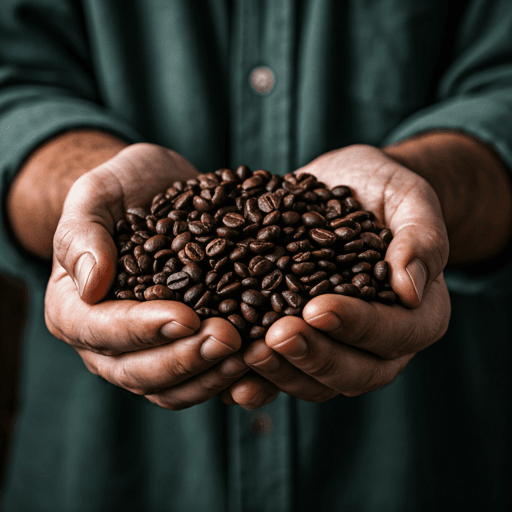
Colombian coffee is the famous, balanced cup grown high in the Andes mountains of Colombia — almost entirely washed Arabica, picked by hand on hundreds of thousands of small family farms. The classic profile is clean and medium-bodied, with a bright but rounded acidity and caramel-nutty sweetness, often layered with soft citrus or red-fruit notes, though it shifts a lot from region to region. This guide explains why Colombia is so renowned for coffee, how the cup tastes, where it grows, how it is processed and graded, and how to buy and brew it well.
Why Colombian coffee is so renowned
Three things turned Colombian coffee into a household name. The first is geography. Colombia sits where the Andes split into three high ranges, giving growers a huge spread of steep, high-altitude land — much of it between roughly 1,200 and 2,000 metres (about 4,000 to 6,500 feet). Cool, high farms make coffee cherries ripen slowly, which concentrates sugars and builds the sweetness and clean acidity the country is known for.
The second is the harvest. Because Colombia straddles the equator and its regions sit at different latitudes and altitudes, somewhere in the country is almost always in picking season. Many areas even get two harvests a year — a main crop plus a smaller secondary crop locally called the mitaca — so fresh coffee from Colombia reaches roasters more or less year-round.
The third is people and structure. Most Colombian coffee comes from small family farms, many only a few hectares each, rather than giant estates. Since 1927 those growers have been organized by the National Federation of Coffee Growers (the FNC, or Federación Nacional de Cafeteros), which funds agronomy research, sets quality standards and created the long-running Juan Valdez marketing character — the mustachioed coffee farmer with his mule, introduced in the late 1950s to mark coffee that is 100% Colombian. We mention Juan Valdez and the FNC only as factual landmarks in the story of Colombia and coffee, not as an endorsement of any brand.
What Colombian coffee tastes like
If Brazilian coffee is famous for heavy, chocolatey body, Colombian coffee is famous for balance. The signature cup is medium-bodied and clean, with sweetness that leans toward caramel, brown sugar and toasted nuts, and an acidity that is bright but rounded rather than sharp — think gentle citrus or a hint of red apple or red fruit. It is the kind of coffee that tastes complete: sweet, lively and smooth at once. That all-rounder character is exactly why it is such a popular everyday origin and such a common base for balanced blends.
That description is a starting point, not a rule. Colombian coffee beans cover an enormous range, because the country's regions and altitudes differ so much. A lower-grown northern lot can be mild, nutty and chocolatey with soft acidity, while a high-grown southern lot can be vivid and fruity with floral and even tropical notes. Processing and roast shift it further again. For how these flavor families work across every origin, see our guide to coffee bean varieties and types, and compare the profile directly with our explainer on Brazilian coffee.
The main Colombian coffee growing regions
Colombia's coffee belt runs the length of the Andes, and altitude plus microclimate shape each region's cup. As a broad rule, the higher and more southern the farm, the brighter and more fruit-forward the coffee; lower and more northern zones tend to be softer, nuttier and more chocolatey.
Huila
In the southwest, Huila is a specialty-coffee powerhouse. High elevations, volcanic soils and warm days followed by cool nights produce beans with juicy, sweet acidity and notable complexity — caramel sweetness alongside fruity, floral and citrus notes. Much of Colombia's competition-winning coffee comes from here.
Nariño
Bordering Ecuador in the far south, Nariño grows coffee at some of the highest elevations in the country, often above 2,000 metres. The cool climate slows ripening and concentrates sugar, giving vibrant acidity, delicate floral tones and bright tropical-fruit character.
Cauca
Also in the high south, Cauca benefits from volcanic soil and big day-to-night temperature swings. Expect a sweet, clean cup with bright acidity, a creamy body and notes that run from chocolate to citrus and stone fruit.
Tolima
A central region with high altitudes and cooler temperatures, Tolima delivers a clean, balanced cup with medium-high body, lively acidity and a sweet, fruit-and-citrus character — increasingly recognized as a specialty origin in its own right.
Antioquia and the Eje Cafetero
Antioquia and the neighbouring "coffee axis" (the Eje Cafetero — Caldas, Quindío and Risaralda) form the historic and cultural heart of Colombian coffee, home to the UNESCO-listed Coffee Cultural Landscape. The cup here is typically the classic balanced Colombian profile: smooth, sweet and often nutty-chocolatey, with moderate acidity.
Sierra Nevada de Santa Marta
Up on the northern Caribbean coast, the Sierra Nevada grows at comparatively lower, warmer altitudes. Its coffees tend to have lower acidity and a fuller, smoother body, with chocolate, nut and gentle tropical-fruit notes — a good pick for anyone who prefers a softer, less acidic brew.
| Region | Where it is | Typical cup |
|---|---|---|
| Huila | Southwest, high volcanic | Sweet, juicy acidity, caramel with fruit and florals; lots of specialty lots |
| Nariño | Far south, very high (often 2,000 m+) | Vibrant acidity, floral, tropical fruit |
| Cauca | South, high volcanic | Bright, clean, sweet; chocolate, citrus, stone fruit |
| Tolima | Central highlands | Balanced, medium-high body, sweet and citrusy |
| Antioquia & Eje Cafetero | North-central, the historic axis | Classic balanced Colombian; smooth, nutty, chocolatey |
| Sierra Nevada de Santa Marta | Northern coast, lower & warmer | Lower acidity, fuller body, chocolate and nut |
How Colombian coffee is grown and processed
Almost all coffee from Colombia is Arabica — the country grows very little robusta — which is a big part of why the cups are so prized. Because the farms cling to steep mountain slopes, the cherries are harvested by hand, with pickers making several selective passes through each plot to take only ripe, red cherries and leave the green ones to mature. That careful selective picking is one of the quiet reasons the quality is so consistent.
The dominant method after picking is the washed (wet) process: the skin and fruit are removed, the beans are fermented to loosen the remaining sticky mucilage, then washed clean and dried. Washing strips away the fruit before drying, which is what gives Colombian coffee its hallmark clean clarity and bright, well-defined acidity. A growing number of farms now also experiment with natural and honey processes for specialty lots, which add extra sweetness and fruit. If you want the bigger picture on quality grading and traceability, our explainer on what specialty coffee means is a useful companion.
Supremo and Excelso: size grades, not quality tiers
Two words confuse almost everyone buying Colombian coffee beans: Supremo and Excelso. They are not quality rankings and they are not regions. They are screen-size grades — a measure of how big the beans are, sorted by the diameter of the holes they fall through.
- Supremo is the largest export size grade (roughly screen 17 and up).
- Excelso is a touch smaller (broadly screen 14 to 16), but otherwise identical in composition.
Crucially, Supremo and Excelso beans can come from the very same farm — even the same tree — and taste the same. Bigger does not mean better; screen size measures physical uniformity, not flavor. So treat these labels as packing information, not a promise about the cup. To judge actual quality, you want region, altitude, variety, process and freshness — the cues covered in our guide to choosing good coffee beans.
The varieties behind the cup
Within Arabica, a handful of varieties dominate Colombian farms, and each nudges the flavor and the plant's hardiness:
- Castillo — a rust-resistant hybrid developed by the national research center Cenicafé and now very widely planted; bred for disease resistance while keeping a sweet, balanced cup.
- Caturra — a compact natural mutation of Bourbon known for bright citrus acidity and caramel sweetness, though it is vulnerable to leaf rust.
- Colombia — an earlier rust-resistant hybrid that paved the way for Castillo.
- Typica and Bourbon — older heritage varieties prized for cup quality, still grown on some farms.
Most everyday Colombian coffee is a blend of these, with Castillo and Caturra the backbone of the modern crop.
How to buy and brew Colombian coffee well
Because the range is so wide, a few simple cues help you pick a bag you will actually enjoy:
- Look for a region and an altitude. A named region (Huila, Nariño, Cauca) or a stated growing altitude signals more care and tells you roughly what to expect in the cup — brighter and fruitier from the high south, softer and nuttier from the lower north.
- Buy whole bean and fresh. Check for a roast date and grind just before brewing. Colombian coffee's delicate aromatics fade fast once ground.
- Favor a medium roast. A light-to-medium or medium roast best showcases Colombia's balance of sweetness and acidity; very dark roasts can bury the bright fruit notes that make it special.
- Don't over-read Supremo or Excelso. Remember those are bean sizes, not quality grades.
For brewing, Colombian coffee is famously versatile. Its balance shines in pour-over and drip, where the clean acidity and caramel sweetness come through clearly; it also makes a rounded, sweet single-origin espresso and a dependable, never-harsh daily cup that takes milk well. A clean filter brew is the best way to taste exactly what a region and altitude are doing.
The bottom line
Colombian coffee earns its fame the honest way: high Andean farms, slow-ripened Arabica, careful hand-picking, and a washed process that keeps the cup clean and sweet. Learn to read the label past the Supremo and Excelso sizes — toward region, altitude, variety and process — and you can choose between a soft, chocolatey northern coffee and a bright, fruity southern one with confidence. That small skill turns every bag of coffee from Colombia into a more rewarding cup, and makes comparing it with the world's other great origins a genuine pleasure.