
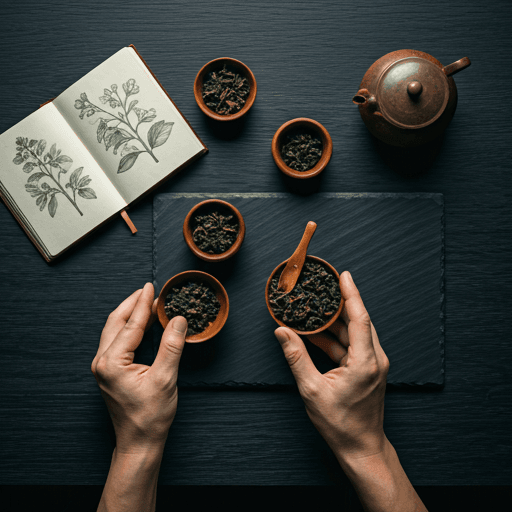
Corn silk tea is a caffeine-free herbal infusion made from the fine, silky threads, the stigmas, found inside a husk of corn (Zea mays). People have brewed it for generations, traditionally for urinary-tract comfort and mild fluid retention, and it doubles as a soft, lightly sweet cup with no caffeine at all. Below you will find what corn silk tea is, the corn silk tea benefits people most often discuss, the cautions that matter, and exactly how to make it at home from fresh or dried silk.
This is general information, not medical advice. Corn silk acts as a mild diuretic and may interact with some medications, so if you are pregnant, breastfeeding, taking medicine, or managing a health condition, talk to a clinician before drinking it regularly.
What is corn silk tea?
Corn silk is the bundle of glossy, thread-like fibers that grow under the husk of an ear of corn. Each strand is a flower stigma, the part that catches pollen so a kernel can form. Steep those threads in hot water and you get corn silk tea, sometimes written as cornsilk tea, a pale gold infusion with a mild, grassy-sweet flavor and very little bitterness.
Because it comes from a plant other than the tea bush (Camellia sinensis), corn silk tea is a herbal tisane rather than a true tea, which is why it carries no caffeine. If you want to see where it sits among the wider family of brews, our guide to types of tea explained lays out the difference between true teas and herbal infusions like this one.
The drink is far from new. Corn silk has a long history in folk and traditional medicine across the Americas and East Asia, where it was valued chiefly as a cooling, urine-promoting remedy. Practitioners of traditional Chinese medicine, Native American healers, and folk traditions in Mexico and Latin America have all used corn silk for painful or difficult urination, bladder and urinary complaints, and mild swelling. That heritage is the reason most people still reach for it today.
Corn silk tea benefits people talk about
It helps to be honest about the evidence. Much of what is claimed for corn silk comes from traditional use and from early laboratory or animal studies, with relatively few high-quality human trials. So treat the points below as traditionally used for and may support, not as proven treatments. With that framing, here are the corn silk tea benefits that come up most.
- A mild, natural diuretic. This is corn silk's best-known property. It gently increases urine output, which is the basis for its traditional use in flushing the urinary tract and easing mild water retention.
- Traditional urinary-tract support. Because it encourages urine flow, corn silk has long been used as a soothing remedy for irritation of the bladder and urinary tract, including conditions like cystitis. It is comfort-focused folk use, not a substitute for treating an infection.
- A source of antioxidants and flavonoids. Corn silk contains plant antioxidants, including flavonoids such as maysin, plus polyphenols that have shown anti-inflammatory activity in lab settings.
- Folk use around blood sugar. Some animal studies suggest compounds in corn silk may help lower blood glucose, but this is preliminary and not confirmed in robust human trials.
- Folk use around blood pressure. A handful of small studies have looked at corn silk alongside standard care for blood pressure, with mixed and early results. The evidence is far from settled.
The table below sums up how each use is regarded today.
| Traditional use | What the evidence suggests |
|---|---|
| Mild diuretic / water retention | The most supported effect; gently increases urine output |
| Urinary-tract and bladder comfort | Long traditional use; soothing, but not a cure for infection |
| Antioxidant intake | Genuinely contains flavonoids and polyphenols |
| Blood sugar | Promising in animal studies; preliminary, not proven in people |
| Blood pressure | A few small, mixed human studies; inconclusive |
Is corn silk tea caffeine-free?
Yes. Corn silk tea is naturally caffeine-free, which makes it an easy choice for the evening or for anyone cutting back on stimulants. If you are weighing it against caffeinated options, our explainer on caffeine explained is a useful companion, and if you specifically want antioxidants with a gentle lift, brewed green tea is the obvious caffeinated counterpart.
How to make corn silk tea
Brewing corn silk tea is simple, and you can use the fresh silk you would otherwise throw away when shucking corn, or buy it dried. The one rule that matters: use silk from clean, unsprayed corn, and rinse fresh silk well, since the strands sit on the surface of the cob.
- Measure your silk. Use about 1 to 2 tablespoons of fresh corn silk, or 1 to 2 teaspoons of dried, per cup of water.
- Heat the water. Bring fresh water to a boil, then let it settle for a moment so it is just off the boil.
- Steep. Pour the hot water over the silk and let it steep, covered, for about 5 to 10 minutes. Longer gives a deeper color and flavor.
- Strain. Pour through a fine sieve or a strainer to catch the threads. A simple loose-leaf approach works well here; see how to brew loose-leaf tea for the basics.
- Finish to taste. Drink it plain, or add a little honey and a squeeze of lemon. It also makes a refreshing iced tea: brew a stronger batch, chill it, and pour over ice.
Corn silk tea at a glance
| Element | Guideline |
|---|---|
| Fresh silk per cup | About 1 to 2 tablespoons |
| Dried silk per cup | About 1 to 2 teaspoons |
| Water | 1 cup (240 ml), just off the boil |
| Steep time | 5 to 10 minutes, covered |
| Add-ins | Honey, lemon; serve hot or iced |
| Caffeine | None |
How to dry your own corn silk
Drying lets you keep the silk from summer corn for the rest of the year. It is easy and needs no equipment.
- Pull the silk from clean, unsprayed cobs and remove any browned, slimy, or damaged threads.
- Rinse gently, then spread the strands in a single layer on a plate, tray, or screen.
- Set it somewhere dry and airy, out of direct sunlight, and let it dry for a few days to a week until the threads feel slightly crisp.
- Store the dried silk in a clean jar or paper bag, away from light and moisture. Properly dried, it keeps for up to a year.
A low oven or food dehydrator on its coolest setting speeds things up, but gentle air-drying best preserves the color and aroma.
Corn silk tea cautions and who should be careful
For most healthy adults, an occasional cup of corn silk tea is gentle. Because it is a mild diuretic and a herb with real activity, though, a few situations call for care. None of this is cause for alarm; it is a reminder to check with a professional where it counts.
| Situation | What to know |
|---|---|
| Diuretic ("water pill") use | Corn silk adds to the diuretic effect and may upset fluid and electrolyte balance, including potassium. Be cautious if you already take a prescription diuretic. |
| Diabetes medication | Corn silk may lower blood sugar, so combined with diabetes drugs it could push levels too low. Monitor and ask your doctor. |
| Blood-pressure medication | In larger amounts it may lower blood pressure, which can add to the effect of blood-pressure medicine. |
| Blood thinners | Corn silk contains vitamin K, which can work against anticoagulants such as warfarin. Check with a clinician. |
| Pregnancy and breastfeeding | Food-level amounts are generally regarded as fine, but larger, medicinal amounts are best avoided, as corn silk may stimulate the uterus. Seek guidance first. |
| Corn allergy | If you are allergic to corn or corn pollen, skip it. |
Two practical notes round this out. Stay hydrated, since a diuretic drink makes you lose fluid, and use silk only from corn you know is clean and unsprayed, because the threads sit on the outside of the cob where residues collect.
The bottom line
Corn silk tea is a mild, caffeine-free herbal cup with a long tradition behind it, most reliably as a gentle diuretic and a soothing drink for the urinary tract, with antioxidant content as a bonus. The buzzier claims around blood sugar and blood pressure are still early science, so enjoy it for what it is rather than as a remedy, and check with a professional if you are pregnant or on medication. With your strainer already out, it is worth exploring the wider world of caffeine-free herbal brews and finding your next favorite cup.