
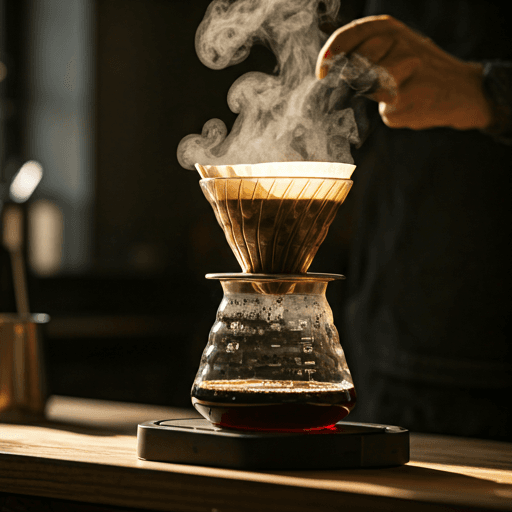
Cute cafes are the small, warm, prettily designed coffee shops that make you want to pull out your phone before you pull out a chair. What makes them special is not one big feature but a stack of little ones: a clear colour palette, soft natural light, plants, cozy nooks and charming details that all add up to a place that feels calm and looks photogenic. This guide explains the design ingredients behind that feeling, the global trend that spread it, and how to recognise a cute cafe wherever you happen to be.
What makes cute cafes special
A cute cafe reads as cute because every element of the room is pulling in the same direction. The coffee can be excellent, but the appeal is really about atmosphere as much as the cup. Where a no-frills coffee bar is built for speed, a cute coffee shop is built for lingering. It wants you to settle in, slow down and feel something gentle, and it signals that intention through colour, texture, light and a hundred tiny choices most owners obsess over.
Think of it as the difference between a venue and a vibe. For the basic definition of the format, see what is a cafe. The "cute" version layers a strong, consistent visual identity on top of that base, so the moment you walk in, the space tells you a clear story.
The design ingredients of a cute cafe
You can almost build a cute cafe from a checklist. The most photogenic spots tend to combine several of these ingredients rather than leaning on just one, and the magic is in how they stack up together.
A strong colour palette
Cute usually starts with colour discipline. Soft pastels (millennial pink, sage green, butter yellow, sky blue) read as friendly and gentle, while warm wood and cream tones feel cozy and grounded. Retro touches (1950s diner curves, vintage tile, mid-century chairs) or kawaii touches (rounded shapes, smiling mascots, plush textures) push the room from "nice" toward "adorable." The key is restraint: two or three colours used consistently across walls, crockery and signage make a space feel designed rather than busy.
Natural light and big windows
Almost every beloved aesthetic cafe is flooded with daylight. Big windows, glass frontage and pale walls bounce soft light around the room, which flatters both faces and food. Light is also why corner tables and window seats become the most-photographed spots in the house. In the evening, the same rooms switch to warm, low lighting and lamps to keep the mood gentle rather than glaring.
Plants and greenery
Greenery is shorthand for calm. Trailing pothos, a fiddle-leaf fig in the corner, dried pampas grass, fresh flowers on the counter or a living wall all soften hard surfaces and add life. Plant-forward rooms feel a little like an indoor garden, which is its own draw and a whole sub-genre of cute cafe in its own right.
Cozy nooks and soft seating
A cozy cafe gives you somewhere to nestle: a window banquette with cushions, a tucked-away two-seater, a reading chair by a lamp. Mixed seating (some communal, some private), soft textiles and warm lighting in the evening all say "stay a while." This comfort is exactly what turns a coffee stop into a third place, a relaxed spot that is neither home nor work, a concept the sociologist Ray Oldenburg made famous.
Charming small details
The details are where cute lives. Hand-lettered signage, mismatched vintage crockery, a house mascot or theme, fairy lights, a tiny vase on every table, a clever bathroom sign, a sticker on the cup. None of these are essential to making coffee, and that is the point: they signal care, and care is charming. The same instinct often extends to the cups and saucers themselves, which become part of the look.
Photogenic, prettily plated food and latte art
The "Instagrammable corner" is partly about the room and partly about the cup. Latte art, a dusting of matcha on a pastel sponge, a fluffy souffle pancake, a tightly styled flat lay of coffee and cake, these are designed to be photographed. Pretty plating is a love letter to the camera, and it travels: one good photo brings the next visitor.
Cute cafe elements at a glance
| Cute-cafe element | Why it works |
|---|---|
| Pastel / warm wood palette | Reads as gentle and friendly; a disciplined palette looks intentional, not chaotic |
| Natural light, big windows | Flatters food and faces; creates the most-photographed seats in the room |
| Plants and flowers | Soften hard surfaces, signal calm, and make the space feel alive |
| Soft seating and cozy nooks | Invite lingering; turn a coffee stop into a comfortable third place |
| Charming details (signage, crockery, mascot) | Signal care and personality; give the eye small delights to find |
| Latte art and pretty plating | Make the cup shareable; one good photo brings the next guest |
| A clear theme or identity | Ties everything together so the room tells one coherent, memorable story |
The feeling: a cozy cafe you actually want to linger in
Strip away the styling and what people really love about cute cafes is how they feel. They are calm, comfortable and unhurried, places to read, work, catch up with a friend, sketch or simply sit. That sense of welcome is the heart of cafe culture everywhere: an open, informal spot where you do not need a reason to be there. The aesthetic is the invitation; the comfort is what makes you stay, and what makes you come back.
Where the cute-cafe look comes from
The modern aesthetic cafe is a blend of several traditions that went global through travel and social media.
- Korean cafe culture popularised minimalist layouts, pastel and millennial-pink interiors, neon signage and beautifully styled desserts, with whole neighbourhoods of Seoul built around photo-ready cafes designed for slow, solo time as much as for coffee.
- Japanese cafe culture contributed quiet minimalism, careful craft, kawaii character themes and an attention to small, perfect details (think bamboo, ceramics, washi paper and immaculate plating).
- European patisserie charm brought marble counters, vintage tile, glass cake cases and the romance of a corner pastry shop.
- Third-wave coffee aesthetics added pared-back interiors, exposed materials, ceramic cups and a focus on the craft of the brew.
These influences now mix freely, so a cute coffee shop in one city can borrow Seoul's pastels, Tokyo's mascots and a French cake case all at once. To see how local habits shape these spaces around the world, browse coffee culture around the world.
Themed cute cafes
Some of the cutest cafes go all-in on a single theme, which gives the whole room an instant identity:
- Animal cafes build the experience around resident pets; the best-known are cat cafes, where you sip beside lounging cats, explained in what is a cat cafe.
- Garden and plant cafes turn the room into a greenhouse, with vines, flowers and a botanical menu.
- Book cafes line the walls with shelves and lean into a quiet, library-like calm.
- Dessert cafes make the food the star, with showpiece cakes, soft-serve towers and pastel sweets.
A theme is not required to be cute, but it is a shortcut to memorable, and it gives photos an obvious subject.
How to spot a cute cafe anywhere you are
You do not need a "top ten" list to find one. Use these cues, whether you are walking past or scrolling a map:
- Read the frontage. A considered colour, a hand-painted sign or a styled window display usually means a considered interior.
- Look for light and plants. Big bright windows and visible greenery are reliable tells.
- Check the photos. On maps and social tags, scan for consistent styling, latte art and pretty plating rather than just stock shots.
- Notice the seating. Cushions, nooks, mixed tables and a few people lingering signal a cozy cafe rather than a grab-and-go counter.
- Trust the details. Mismatched crockery, a mascot, fresh flowers or a clever sign mean someone cares, and care is what makes a cafe cute.
The takeaway
Cute cafes are special because they treat a coffee stop as an experience, not a transaction. A disciplined palette, soft light, greenery, comfortable corners and a few charming details combine into a room that feels calm and looks lovely, and that is worth seeking out wherever you travel. If you are chasing a particular feeling rather than a particular place, our guide to the best cafes for every mood and occasion is a good next read.