
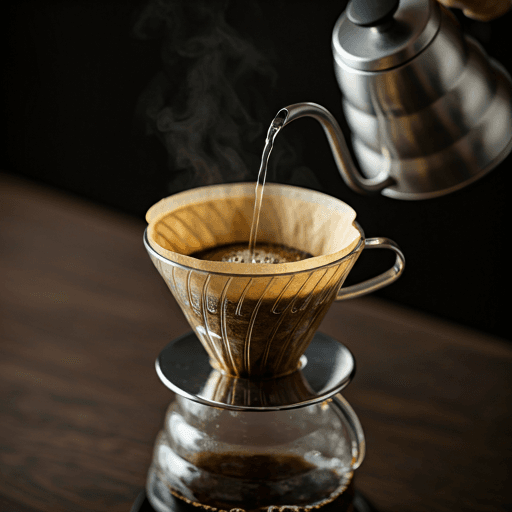
Decaf espresso is a normal espresso shot pulled from decaffeinated coffee beans. The brewing is identical to any espresso, but the caffeine has been removed from the bean before roasting, so the finished shot carries only a small trace of caffeine instead of a full hit. It looks, smells and behaves like espresso because it is espresso, just made from a different bean.
That one swap raises a lot of practical questions: how much caffeine is really left, whether it tastes different, why it can be fiddly to pull, and which format to buy. This guide answers all of them. For the basics of the drink itself, see our explainer on espresso, the base of every coffee.
What decaf espresso is
Decaf espresso, sometimes written as decaffeinated espresso, starts with ordinary green coffee beans that are decaffeinated while still raw. The beans are then roasted, ground and brewed under pressure exactly like regular beans. There is no such thing as a special "decaf machine" or a different brewing technique: a 25-to-30 second pull through a portafilter produces a one-ounce shot the same way it always does.
The key point, and the one most people get wrong, is that decaf is not caffeine-free. Decaffeination removes roughly 97 percent or more of the caffeine, but a trace always remains. So decaffeinated espresso coffee is best described as very low-caffeine, not zero. If you need genuinely zero caffeine for medical reasons, an herbal infusion is a safer choice than any coffee labelled decaf.
The caffeine is stripped from the bean, not from your cup, using one of several methods: Swiss Water (water only), CO2, sugarcane or ethyl-acetate (often labelled "natural"), and solvent-based processes such as methylene chloride. Residual caffeine levels are regulated and considered safe. We cover the beans and these processes in depth in our guide to decaf coffee beans.
How much caffeine is in a decaf shot
A regular single shot of espresso carries roughly 60 to 75 mg of caffeine; the figure most often cited is about 63 mg. A decaf shot of the same one-ounce size usually has just a few milligrams, typically somewhere between about 3 and 15 mg, and frequently under 10 mg. The exact figure depends on the bean and the decaffeination method, but the comparison is dramatic: a decaf shot delivers somewhere around a tenth of the caffeine of a regular shot, or less.
That trace still matters for sensitive drinkers. Three or four decaf shots across an evening can add up to a small but real amount, which is negligible for most people but worth knowing if caffeine keeps you awake. For the full picture of how a shot's caffeine is measured and why it varies, see caffeine in espresso.
Does decaf espresso taste different?
Good decaf espresso can taste excellent, and a well-made shot is hard to pick out in a blind tasting. That said, decaffeination is not entirely flavour-neutral. The process can flatten some of the brighter, more aromatic top notes, and decaf beans are often roasted a touch darker to even out the result. The practical upshot is that decaf espresso coffee tends to read as smooth, chocolatey and rounded rather than sharp and zingy.
Crema, the golden foam on top, is frequently a little thinner and lighter with decaf. That is cosmetic, not a flavour fault. Crema comes largely from carbon dioxide dissolved during extraction, and decaf beans hold less of it, so a paler crema is normal and nothing to worry about.
Why decaf is trickier to dial in
Decaffeination changes the bean's physical structure. Decaf espresso beans come out more porous and more brittle than regular beans, and they tend to off-gas carbon dioxide faster after roasting. Two things follow from that. First, the grounds are more soluble and the puck is less dense, so water can rush through more quickly and the shot can run fast and gush. Second, because they extract so readily and shatter into extra fines, decaf can tip into over-extraction and bitterness if you are not paying attention.
None of this makes decaf hard, but it does mean your usual grinder setting probably will not transfer straight across. Expect to re-dial when you switch a bag of regular beans for decaf.
How to pull a good decaf shot
- Use fresh decaf beans. Decaf can stale faster, so buy in smaller amounts and use within a few weeks of roasting for the best crema and body.
- Grind finer. Because water moves through quickly, going one or two steps finer than your regular setting slows the flow and restores resistance. Adjust by taste from there if the shot turns bitter.
- Hold the dose, then tweak. Start from your normal dose (say 18 g in a double basket), watch the result, and nudge up or down by half a gram if the shot still runs too fast.
- Watch the shot time. Aim for a familiar window, roughly 25 to 30 seconds for a 1:2 ratio (about 18 g in, 36 g out). If it pours in 15 seconds, grind finer; if it chokes, back off.
- Forgive the crema. A lighter crema is expected. Judge the shot on taste, not looks.
The mechanics are otherwise identical to caffeinated espresso, so our walkthrough on how to make espresso at home applies directly once you have re-dialled.
Regular vs decaf espresso at a glance
| Feature | Regular espresso | Decaf espresso |
|---|---|---|
| Caffeine per single shot | ~60-75 mg (about 63 mg) | A trace, about 3-15 mg |
| Bean structure | Denser, firmer | More porous and brittle |
| Flow / extraction | Standard | Faster; can over-extract |
| Typical grind tweak | Your baseline | Usually a step or two finer |
| Crema | Thicker, golden | Often lighter and thinner |
| Flavour tendency | Bright to balanced | Smooth, rounded, chocolatey |
Why people drink decaf espresso
The biggest reason is timing. A decaf cappuccino or flat white after dinner gives you the ritual, warmth and milk-foam pleasure of espresso without the late-night jolt that keeps you staring at the ceiling. Plenty of dedicated espresso lovers run regular in the morning and decaf in the evening for exactly this reason.
Caffeine sensitivity is another. Some people get jittery, anxious or acid-stomached on even modest caffeine, and decaf lets them enjoy the taste of espresso without the side effects. Decaf is also a common choice during pregnancy and breastfeeding, where general guidance often suggests keeping total daily caffeine modest, around 200 mg. A decaf shot's few milligrams fit comfortably within that, but remember it is low-caffeine, not zero. This is general information rather than medical advice, and how much caffeine is right for you is a personal decision best made with a doctor or midwife.
Formats: beans, pods and instant
Decaf espresso comes in several forms, so you can match it to your kit:
- Decaf espresso beans (or ground). The choice for any espresso machine or moka pot. Whole bean and freshly ground gives the best result; look for a roast aimed at espresso and a stated decaffeination method.
- Decaf espresso pods and capsules. Most pod systems offer a decaf line, which is the easiest route to a consistent decaf shot with no dialling-in at all. The trade-off is less control over strength and ratio.
- Decaf "instant espresso." A fine, dark instant powder sold for quick drinks and for baking. It dissolves in hot water and mimics the intensity of espresso, but it is instant coffee, not a pulled shot.
When ordering out, asking for a "decaf shot" gets you espresso from the cafe's decaf beans. If you want to cut caffeine without losing all of it, ask for "half-caf," which blends regular and decaf so you land roughly halfway between the two columns in the table above.
The bottom line
Decaf espresso is the real drink with the stimulant turned down, not a watered-down imitation. Treat the beans as their own thing, re-dial the grind, accept a lighter crema, and you can enjoy a genuinely good shot at any hour. From there, branch out into a decaf evening cappuccino, or revisit how a decaf shot stacks up against a full-strength one to decide just how much caffeine you actually want in your cup.