
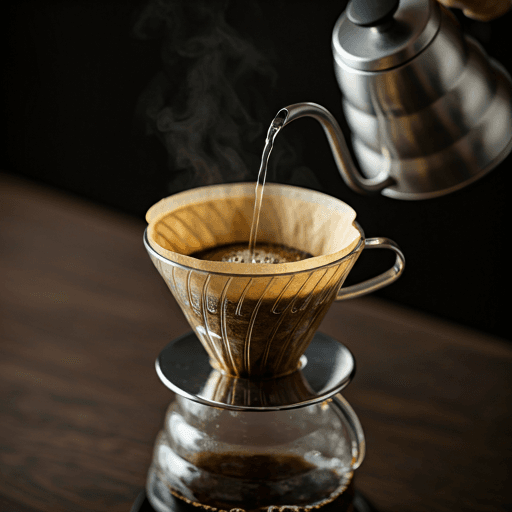
Espresso is a small, concentrated shot of coffee made by forcing hot water through finely ground coffee at high pressure (around 9 bar) for roughly 25 to 30 seconds. The result is about 25 to 30 ml of intense, syrupy coffee topped with a golden-brown layer called crema. Almost every cafe drink you order in India — cappuccino, latte, americano, cold coffee — starts with this one tiny shot.
If filter coffee is a slow, gentle pour and instant coffee is a quick stir, espresso is the pressurised, fast-and-bold member of the family. It isn't a separate bean or a special roast — it's a brewing method. Any good coffee can become espresso coffee if you grind it fine enough and push water through it with enough force.
What makes espresso different from regular coffee
The word "espresso" describes how the coffee is brewed, not where it comes from. Three things separate a true espresso shot from a cup of drip or filter coffee:
- Pressure: An espresso machine pushes water through the coffee at roughly 9 bar — about nine times atmospheric pressure. Filter and French press rely only on gravity.
- Grind: Espresso needs a fine, even grind, almost like table salt. Too coarse and the water rushes through; too fine and it chokes.
- Time: A shot is pulled in about 25 to 30 seconds. Filter coffee takes 3 to 5 minutes; a moka pot takes a few minutes on the stove.
That combination is what gives espresso its thick body, concentrated flavour, and the crema on top. It's also why a single 30 ml shot can taste far stronger than a 150 ml cup of filter coffee, even though the shot actually contains less total caffeine.
How an espresso shot is pulled, step by step
Great espresso is repeatable. Once you understand the four variables — grind, dose, pressure, and time — you can pull the same shot every morning. Here's the basic sequence on any home or cafe machine:
- Dose and grind: Weigh out fresh coffee (a single shot is usually 7 to 9 g; a double is 16 to 18 g) and grind it fine.
- Distribute and tamp: Level the grounds in the portafilter and press them down firmly and evenly with a tamper. An uneven bed makes water channel through one side.
- Lock and pull: Lock the portafilter into the group head and start the pump. Water at around 90 to 96 degrees Celsius is forced through under pressure.
- Watch the flow: A good shot starts dark, turns honey-coloured, then pales. Aim for roughly double the weight of coffee in liquid (an 18 g dose yielding about 36 g of espresso) in 25 to 30 seconds.
If you want a full walkthrough with Indian beans and equipment, our guide on how to make espresso at home covers grind settings, ratios and common mistakes in detail.
Espresso vs filter coffee vs instant: a quick comparison
Indian kitchens often have all three on the shelf. Here's how they actually compare so you can pick the right one for the moment:
| Type | How it's made | Serve size | Taste & body | Best for |
|---|---|---|---|---|
| Espresso | Fine grind, ~9 bar pressure, 25–30 sec | 25–30 ml shot | Intense, syrupy, crema on top | Cappuccino, latte, americano, cold coffee |
| South Indian filter | Hot water drips slowly through a metal filter | 100–150 ml decoction | Strong, smooth, chicory depth | Classic kaapi with hot milk |
| Instant | Spoon of soluble coffee into hot water/milk | Any cup | Convenient, lighter, less complex | Speed at home or office |
None is "better" — they answer different needs. If you love the depth of a metal-filter brew, read our piece on South Indian filter coffee (kaapi). If espresso is your goal, the rest of this guide is for you.
Why espresso is the base of every great coffee
Here's the part most people miss: when you order a cappuccino or latte at a cafe, you're really ordering espresso plus milk in different proportions. The shot is the engine; the milk and water just change the character. That's why baristas obsess over getting the shot right first.
- Cappuccino = one shot + steamed milk + a thick cap of foam. See our cappuccino guide.
- Latte = one shot + a lot of steamed milk + a thin layer of foam. More on the latte vs cafe latte difference.
- Americano = espresso + hot water, for a longer, lighter cup that still has espresso character. Read americano explained.
- Cold coffee / iced lattes = espressos coffee shots over ice and chilled milk, the backbone of most cafe cold drinks.
Get the espresso right and every one of these drinks gets better automatically. Get it wrong — sour, bitter, or watery — and no amount of milk will hide it.
Buying an espresso machine in India: home, office, cafe
Espresso used to mean an expensive cafe-only setup. Not any more. In India you can now find capable espresso machines across every budget and use case:
- Home (entry): Compact 15-bar pump machines with a steam wand — popular models from brands like Blue Tokai (the Mage), Morphy Richards and similar — start in the rough INR 8,000 to 20,000 range. Great for one or two coffees a day.
- Home / prosumer (enthusiast): Heavier machines with better temperature stability and a proper steam wand sit in the INR 30,000 to 1,00,000+ band — worth it if you pull multiple shots daily and want latte art.
- Office: For a team, a bean-to-cup or fully automatic espresso machine — or a tea-and-coffee vending machine — removes the barista skill barrier. Press a button, get a consistent shot every time.
- Cafe / institution: Commercial 2- or 3-group machines built for back-to-back volume, with the steam power to froth milk all day.
You'll also need fresh beans. Indian roasters such as Blue Tokai, Araku, Sleepy Owl and others sell espresso-friendly beans — often single-origin Arabica from Karnataka and Kerala estates. For a deeper look, browse our best espresso machine in India guide before you spend.
Dialling in: how to get repeatable espresso
The biggest difference between cafe espresso and disappointing home espresso isn't the machine — it's consistency. A few habits fix most problems:
- Use fresh, properly stored beans and grind just before brewing. Pre-ground coffee goes flat fast.
- Match the grind to the shot time. If the shot gushes out in under 20 seconds, grind finer. If it drips slowly past 35 seconds, grind coarser.
- Keep the ratio steady. Roughly 1:2 (coffee to liquid espresso) is a reliable starting point for most beans.
- Clean daily. Old coffee oils in the group head and portafilter turn fresh shots bitter.
Once you've nailed your numbers, write them down. That's the whole secret to espresso coffee that tastes the same on a busy Monday as it does on a lazy Sunday.
The bottom line
Espresso is simple to define and a lifetime to master: a short, pressurised shot that forms the base of nearly every coffee drink worth ordering. Whether you want a single great cup at home, a dependable button-press machine for a Mumbai or Bengaluru office, or a commercial setup for a busy cafe, the right equipment makes great espresso repeatable rather than lucky.