
Knowledge Base
Coffee & Tea Guides
Brew better and explore more — buying guides, how-tos, and explainers for every coffee and tea ritual.
Explainer
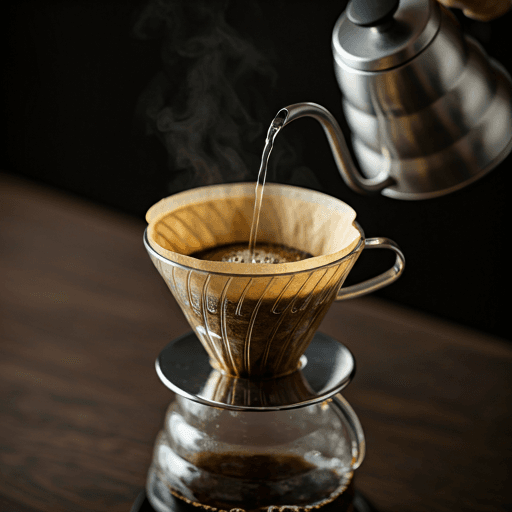
What Is Batch Brew Coffee? Filter Coffee at Scale
Batch brew is filter coffee made by the potful instead of one cup at a time. Here is what it means, why cafes love it, and how to brew a great batch at home.
Explainer
What Is Barley Tea? Roasted Barley Boricha and Mugicha
Barley tea is a caffeine-free roasted-grain drink loved across East Asia. Here is what boricha and mugicha are, how to brew them hot or iced, and how they differ from barley water.
Explainer
Ashwagandha Tea: Benefits, Taste and How to Make It
Ashwagandha tea is a caffeine-free root infusion from Ayurveda, valued as a calming adaptogen. Here is what it tastes like, how to brew it, and who should be careful.
Explainer
Arnica Tea: Why This Herb Is for Skin, Not Sipping
Arnica tea sounds soothing, but arnica is a topical-only herb that is unsafe to drink. Here is what arnica really does, the narrow homeopathic exception, and safer bedtime teas.
Explainer
AriZona Iced Tea Flavors: The Full Range, Explained
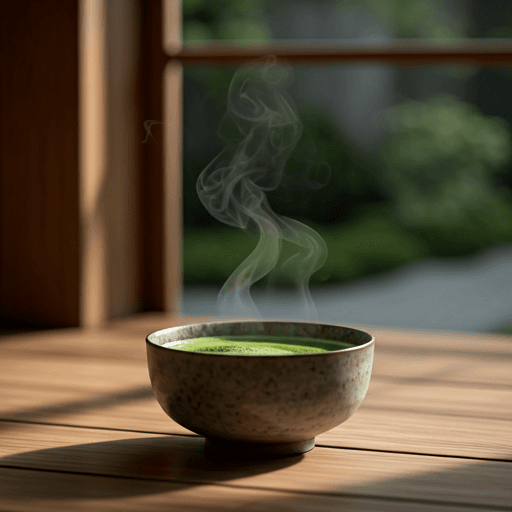
A clear, editorial guide to AriZona iced tea flavors, from the iconic Green Tea with Ginseng and Honey to black tea classics, fruit juice cocktails, and the famous big can.
Explainer
What Is Arabic Tea? Shai, Mint and Middle Eastern Tea Culture
Arabic tea is the hospitality-centered tea culture of the Arab world: strong black tea, brewed sweet, often scented with fresh mint, sage, cardamom or saffron, and served in small handle-less glasses called istikan.
Explainer
What Is Apple Tea? Turkish Elma Cayi and How to Make It
Apple tea is a sweet, fruity drink that comes in two main forms: Turkey's instant elma cayi and a real dried-apple infusion. Here is the difference, the caffeine question, and how to brew it at home.
Explainer
Antioxidants in Tea: What They Are and Which Tea Has the Most
A plain, non-prescriptive guide to antioxidants in tea: the polyphenols and catechins behind them, how processing changes them, and which teas are richest.
Explainer
Anise Tea: Benefits, Flavor and How to Brew It
Anise tea is a warm, naturally sweet, caffeine-free herbal infusion made from aniseed. Here is its flavor, traditional uses, how to brew it, and a clear safety note on which star anise to avoid.
Explainer
The Afternoon Tea Tradition: History, Courses and Etiquette
How the afternoon tea tradition began with a hungry duchess in 1840s England, the order of the three-tier stand, and the etiquette and customs that still shape it worldwide.
Explainer
What Is Yerba Mate? South America's Caffeinated Herb
Yerba mate is South America's beloved caffeinated infusion, sipped through a metal straw from a shared gourd. Here is what it is, how it tastes, and how to brew it.
Explainer
What Is Wintermelon Tea? The Sweet Boba Shop Favorite
Wintermelon tea is a sweet, caramel-like Taiwanese drink made from a slow-cooked gourd, not from melon flavoring. Here is what it tastes like, how the syrup and sugar block are made, and the popular boba versions.
Explainer
What Is White Tea? The Least Processed True Tea
White tea is the least processed of the true teas: young leaves and downy buds that are simply withered and dried. Here is what makes it pale, delicate and subtly sweet, plus how to brew it.
Explainer
What Is Third Wave Coffee? The Craft Coffee Movement
Third wave coffee treats coffee as a craft product, like wine or craft beer, with single-origin beans, traceable farms, lighter roasts and skilled brewing. Here is the three-waves story and where the movement is headed.
Explainer
What Is Cafe Noir? Black Coffee, the French Way
Café noir simply means "black coffee" in French — coffee served plain, with no milk or cream. Here is what you actually get when you order one, how it sits beside café crème and café au lait, and why the phrase shows up on menus and recipes.
Explainer
What Is Vietnamese Coffee? Robusta, Phin and Condensed Milk
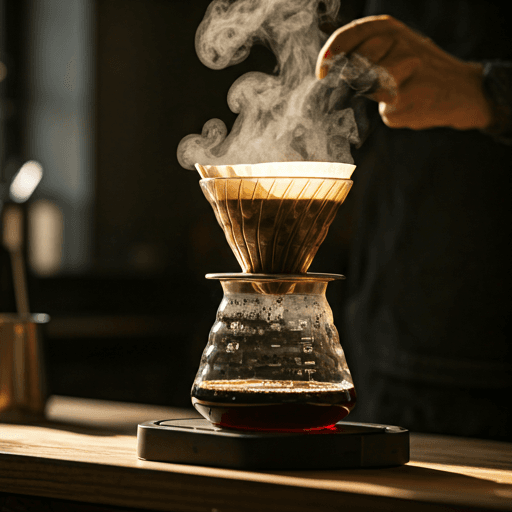
Vietnamese coffee is Vietnam's bold coffee tradition: dark-roasted, robusta-heavy beans brewed slowly through a small metal phin filter and classically sweetened with condensed milk. Here is how it works and what to order.
Explainer
What Is Turkish Coffee? The Unfiltered Brew, Explained
Turkish coffee is an unfiltered brew of ultra-fine coffee simmered in a small pot called a cezve, served thick and strong with the grounds left to settle. Here is how it is made, how to drink it, and the centuries-old ritual behind it.
Explainer
What Is Thai Tea? The Sweet, Creamy Orange Drink
Thai tea is the sweet, creamy, bright-orange iced drink known as cha yen. Here is what it is, why it is orange, hot vs iced, the boba connection, and how to make it.
Explainer
What Is Specialty Coffee? The Quality Movement, Explained
Specialty coffee is high-quality coffee scored 80+ on the 100-point scale, traceable to its origin and handled with care from seed to cup. Here is what that really means.
Explainer
What Is Osmanthus Tea? The Apricot-Scented Floral Tea
Osmanthus tea is a sweet, fruity floral brew made from tiny golden sweet-olive blossoms. Here is what it tastes like, the pure vs scented forms, and how to brew it.
Explainer
What Are Monin Syrups? Flavoring Syrups for Coffee and Tea
Monin syrups are concentrated flavoring syrups used in cafes worldwide to flavor coffee, lattes, teas, sodas and cocktails. Here is how they work, how baristas dose them, and how the brand compares to Torani and DaVinci.
Explainer
What Is Kopi Luwak? The Civet Coffee, Explained
Kopi luwak is coffee made from beans eaten and excreted by the Asian palm civet. Here is how it is made, why it became so rare and costly, and the serious welfare and authenticity concerns every drinker should understand first.
Explainer
What Is Jasmine Flowering Tea? Scented and Blooming Teas
Jasmine flowering tea covers two ideas: tea scented with jasmine blossoms, and hand-tied blooming teas that open into a flower when steeped. Here is how each works.
Explainer
What Is Iced Coffee? The Classic Cold Cup, Explained
Iced coffee is hot-brewed coffee chilled over ice. Here's how it differs from cold brew and an iced latte, how to beat dilution, and a simple home method.