
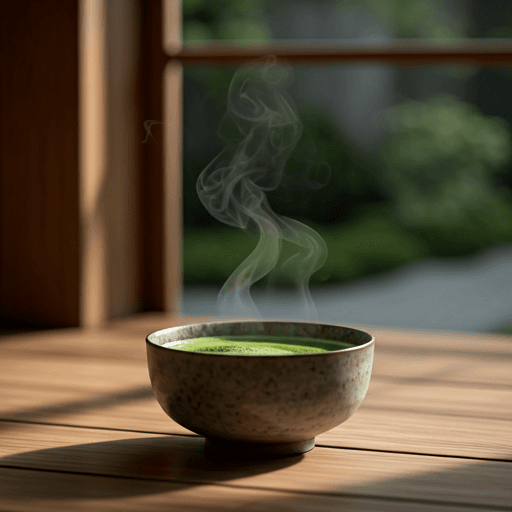
Apple tea is a sweet, fruity, apple-flavored drink that people make in two very different ways. The first is Turkish apple tea (elma cayi) — a bright, tangy-sweet drink usually made from an instant granulated powder dissolved in hot water. The second is a genuine apple infusion brewed from dried apple pieces, often with cinnamon, hibiscus or rosehip. Both share that cosy baked-apple character, but they are not the same drink, and only one is reliably made from actual fruit.
Below we untangle what apple tea really is, where the famous Turkish version comes from, whether it contains caffeine, and exactly how to make a fresh, fragrant cup at home.
What is apple tea?
"Apple tea" is an umbrella term, and that is the first thing worth clearing up. Despite the word "tea," most apple teas are not made from the tea plant (Camellia sinensis) at all. They are tisanes — infusions of fruit, flowers and spices that happen to be brewed like tea. That is why the caffeine answer depends entirely on which version you are holding.
In practice, you will meet apple tea in three guises:
- Instant Turkish apple tea (elma cayi): a granulated powder or crystal that dissolves in hot water, sweet and slightly sour, almost always caffeine-free.
- Apple fruit infusion: dried apple pieces, usually blended with cinnamon, hibiscus, rosehip or rooibos, steeped as a tisane and naturally caffeine-free.
- Flavored real tea: black or green tea scented with apple flavoring — this one does contain caffeine because it is built on a true tea base.
If you are new to the wider world of fruit and flower brews, our guide to herbal tea and our overview of tea and herb blends explain how these infusions differ from leaf tea.
Turkish apple tea (elma cayi): the welcome drink
Turkish apple tea, or elma cayi, is the version most travelers remember. Across Turkey it is poured generously in hotels, carpet shops and bazaars as a gesture of hospitality — a fragrant, cosy, just-sweet-enough cup pressed into your hands the moment you sit down. While locals more often drink strong black çay, apple tea has become Turkey's unofficial welcome drink for visitors.
It is traditionally served in the small, waisted, tulip-shaped glass that defines Turkish tea culture. The narrow middle keeps the drink hot at the base while the flared rim cools enough to sip, and the clear glass shows off the warm amber color.
What is actually in instant elma cayi
Here is the surprise: most of the instant granulated elma cayi sold in tins and jars contains little or no real apple. A typical ingredient list is sugar, citric acid for that pleasant tartness, apple flavoring or food extract, and often added vitamin C — not fruit. That is what gives the powder its candy-bright, sweet-and-sour punch and its long shelf life.
It is genuinely convenient: one spoonful in a cup of hot water and you have a drink in seconds. The trade-off is that it can be quite sugary, closer to a hot apple cordial than a brewed infusion. Some newer products improve on this by putting real dried apple pieces into tea bags, which gives a more authentic, rounded flavor with less of the syrupy edge.
Apple cinnamon tea and real apple infusions
The other side of apple tea is the genuine fruit infusion, and this is where the much-loved apple cinnamon tea lives. These blends are built from real dried apple pieces, usually combined with cinnamon bark and supporting botanicals like hibiscus flower, rosehip, rooibos or a little stevia. Hibiscus adds a tart, ruby-red brightness; rosehip lends a soft berry note; cinnamon brings warmth and that baked-apple comfort.
Because these are whole fruits and botanicals rather than flavored powder, they taste more layered and far less sweet unless you add honey or sugar yourself. They also brew up a deeper color and a fuller aroma — the kind of cup that makes a kitchen smell like autumn.
Does apple tea have caffeine?
It depends on the type, which is exactly why the question comes up so often:
| Type of apple tea | Made from | Caffeine |
|---|---|---|
| Instant Turkish apple tea (elma cayi) | Sugar, citric acid, apple flavoring | Caffeine-free |
| Apple fruit infusion / apple cinnamon tisane | Dried apple, cinnamon, hibiscus, rosehip | Caffeine-free |
| Apple-flavored black or green tea | True tea leaf plus apple flavoring | Contains caffeine |
So the fruit-based versions are naturally caffeine-free and fine to drink in the evening, while anything labeled apple black tea or apple green tea will carry the caffeine of its leaf base. If caffeine is your main concern in general, our caffeine explainer covers how different drinks compare.
Hot or iced?
Apple tea works beautifully both ways. Served hot, its sweet-and-sour balance is a natural winter warmer, especially the cinnamon-spiced versions. Served cold over ice, it becomes a refreshing summer cooler that tastes a little like sparkling apple without the fizz. The instant elma cayi dissolves just as readily in cool water, and a real apple infusion can be brewed strong, chilled and poured over ice. For the cold route, see our guide to making iced tea.
How to make apple tea at home
You have two easy paths: brew a real apple infusion from scratch, or reach for the instant powder. Here is the from-scratch method, which gives the most natural flavor.
Apple cinnamon tea from fresh apples
Ingredients (makes 2 cups):
- 1 apple, thinly sliced (skin on, cored)
- 1 cinnamon stick, or a pinch of ground cinnamon
- 2 cups (about 500 ml) water
- Honey or sugar to taste, optional
- A squeeze of lemon, optional, for brightness
- 1 tea bag of black tea, optional, if you want caffeine and body
Steps:
- Add the apple slices, cinnamon and water to a small pot.
- Bring to a gentle boil, then lower the heat and simmer for 8 to 10 minutes until the water turns golden and smells of apple.
- If you want a real-tea version, turn off the heat, drop in a black tea bag and steep for 2 to 3 minutes, then remove it.
- Strain into cups. Sweeten with honey and add a squeeze of lemon if you like.
- Serve hot, or chill and pour over ice.
Using dried apple or a blend
If you have a dried apple-and-cinnamon tisane, steep about one teaspoon per cup in just-off-the-boil water (95 to 100°C) for 5 minutes; rosehip and hibiscus blends benefit from a longer steep, up to 10 minutes, to draw out their full color and tartness. For more on getting infusions right, see our how to make tea guide.
The instant elma cayi shortcut
Add one to two spoonfuls of granulated Turkish apple tea to a cup, top with hot water, and stir until dissolved. Taste before adding any extra sweetener — most powders are already sweet. It is fast and forgiving, just remember it is more of a sugary apple drink than a brewed fruit tea.
The bottom line on apple tea
Apple tea is really a small family of drinks united by one cosy, fruity flavor. The instant Turkish elma cayi is a sweet, caffeine-free welcome cup that is convenient but light on real fruit; a homemade apple cinnamon infusion gives you the genuine, less-sugary version; and apple-flavored black or green tea adds caffeine and depth. Knowing which one you are reaching for tells you everything about its caffeine and its sweetness. If this has you curious about other fruit and flower brews, keep exploring our tea hub and the wider world of herbal tea.