
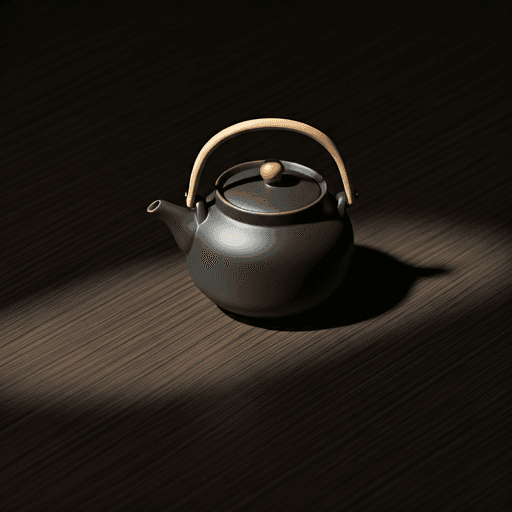
Ashwagandha tea is a caffeine-free herbal infusion made from the root (and sometimes leaf) of ashwagandha, an ancient herb known in botany as Withania somnifera. People reach for it for the same reason it has been used in Ayurveda for centuries: it is an adaptogen, a plant traditionally taken to help the body cope with stress and settle the mind. The flavour is earthy and frankly bitter, so most of the work in a good cup is making it taste pleasant. Here is what ashwagandha is, what it actually tastes like, how to brew the root properly, and who should think twice before drinking it.
What is ashwagandha tea?
Ashwagandha (pronounced ahsh-wuh-GAHN-dah) is a small woody shrub native to the dry regions of South Asia and parts of Africa and the Middle East. Its name roughly translates from Sanskrit as "smell of a horse," a nod to the root's distinctive earthy, slightly musky aroma. The part most people brew is the root, which is why you will often see the drink sold as ashwagandha root tea, though leaf preparations exist too.
Unlike true tea, which comes from the Camellia sinensis plant, ashwagandha contains no caffeine. That puts it in the broad family of herbal teas (more accurately, herbal infusions or "tisanes"), alongside chamomile, ginger and peppermint. So if you are watching your caffeine intake, ashwagandha tea will not keep you up the way coffee or black tea can.
What does "adaptogen" mean?
You will see ashwagandha described everywhere as an "adaptogen." The term refers to herbs traditionally used to help the body adapt to and resist physical and mental stress, rather than to treat one specific symptom. Other commonly cited adaptogens include rhodiola, holy basil (tulsi) and ginseng. It is a traditional and herbalist concept more than a strict pharmacological category, so treat it as a useful framing rather than a medical promise. The active compounds researchers point to in ashwagandha are a group called withanolides.
Ashwagandha tea benefits people look for
People drink ashwagandha tea mainly for its calming, grounding reputation. Modern research on ashwagandha is genuinely interesting but still developing, and most studies use concentrated root extracts in capsule form rather than a humble cup of tea, which is far more dilute. With that honest caveat, here is what the tradition and the emerging evidence generally focus on:
- Stress and a sense of calm. This is ashwagandha's headline use. It is traditionally taken to help the body weather everyday stress and to encourage a settled, relaxed feeling.
- Sleep and winding down. The species name says it all. Somnifera is Latin for "sleep-bringing," and ashwagandha has long been associated with restful sleep. Many people specifically use ashwagandha for sleep, sipping it in the evening as part of a wind-down ritual.
- A general restorative tonic. In Ayurveda it is classed as a rasayana, or rejuvenating herb, taken over time rather than as a quick fix.
It is worth being clear and unhurried about this: ashwagandha tea is a beverage and a traditional remedy, not a medicine. It does not treat, cure or prevent any disease, and a single cup is a gentle ritual, not a clinical dose. Keep your expectations realistic and your wellness habits broad, since sleep, movement and stress management do far more heavy lifting than any one herb.
What does ashwagandha tea taste like?
Honestly? On its own, it is an acquired taste. Brewed plain, the root gives a strong, earthy, woody flavour with a definite bitterness and a slightly acrid edge. Some people pick up a faintly sweet, almost soily middle note before a lingering bitter aftertaste settles in. That horse-adjacent earthiness is exactly why the herb got its name.
None of this is a problem, because ashwagandha plays beautifully with warming spices and a little sweetness. The most popular fixes are:
- Honey to round off the bitterness (add it once the tea has cooled slightly so the flavour stays bright).
- A squeeze of lemon, whose acidity cuts straight through the earthy edge.
- Warming spices such as ginger, cinnamon and cardamom, which mask the bitterness and add aroma.
- Milk (dairy or plant-based), which softens everything and turns the drink into a creamy, golden-milk-style "moon milk." The fats in milk are also often said to help carry the root's fat-soluble compounds.
How to make ashwagandha tea
The single most important thing to know: ashwagandha root is a tough, woody material, so you cannot just steep it like a delicate green tea. It needs to simmer. This gentle boiling method is called a decoction, and it is the right way to coax flavour and the withanolides out of root and bark. The steps below make one mug.
Ingredients
- About 1/2 to 1 teaspoon of ashwagandha root powder, or 1 to 2 teaspoons of cut/dried root pieces
- 1 cup (about 240 ml) of water (or milk, for a moon-milk version)
- Optional: a slice of fresh ginger, a small piece of cinnamon, a cardamom pod
- Optional, to finish: honey and/or a squeeze of lemon
Method
- Add the water (or milk) to a small saucepan and bring it to a boil.
- Stir in the ashwagandha powder or root pieces, plus any spices you are using.
- Reduce the heat to low, cover, and let it simmer gently for about 10 minutes (up to 15 for whole root pieces). This simmering is what makes it a proper decoction rather than a weak steep.
- Strain into your mug.
- Let it cool for a minute or two, then stir in honey and/or lemon to taste. If you went the milk route, a quick whisk or froth gives you a smooth, latte-style cup.
A gentler starting point is to add just a pinch of the powder to a tea you already enjoy. Ashwagandha's earthiness pairs surprisingly well with green tea, and a small dose lets you build up the flavour slowly. If you want a deeper primer on infusions in general, our guide on how to make tea covers the basics of water, time and temperature.
When do people drink it?
Because of its calming, sleep-associated reputation, many people save ashwagandha tea for the evening, often as the last warm drink before bed. There is no rule that says you must, but it slots naturally into a wind-down routine in the same role that chamomile tea often plays. If you prefer something for daytime that still avoids caffeine, ginger tea is a brighter, more invigorating alternative.
A responsible note: who should be careful
Ashwagandha is generally well tolerated by many healthy adults, but it is not for everyone, and the responsible thing is to say so plainly. Ashwagandha tea is a far weaker preparation than the concentrated extracts used in studies, but the cautions below still apply because the underlying herb is biologically active.
Talk to a qualified clinician before drinking ashwagandha tea regularly if any of the following apply to you:
- You are pregnant or breastfeeding. Ashwagandha is widely advised against during pregnancy, and there is not enough safety data for breastfeeding.
- You have a thyroid condition. Ashwagandha may affect thyroid hormone levels.
- You have an autoimmune condition (such as lupus, rheumatoid arthritis or Hashimoto's). Because it can influence the immune system, it may not be appropriate.
- You take sedatives, sleep aids, or other regular medication. Ashwagandha may interact with sedatives and with medicines for blood pressure, blood sugar, thyroid and the immune system. Run it past your doctor or pharmacist first.
For everyone: start small, and stop if it upsets your stomach or does not agree with you. The evidence base is still developing, herbal products vary a lot in strength, and "natural" does not automatically mean "harmless." This article is general information about a traditional beverage, not medical advice, and ashwagandha tea is not claimed to treat or cure anything.
The bottom line
Ashwagandha tea is a warm, earthy, caffeine-free ritual rooted in a long Ayurvedic tradition of using adaptogenic herbs to take the edge off stress and ease into rest. Simmer the root rather than steeping it, lean on honey, lemon, ginger or milk to tame the bitterness, and treat it as a gentle evening habit rather than a cure-all. If herbal infusions are becoming your thing, keep exploring our tea hub for the next cup that suits you best.