
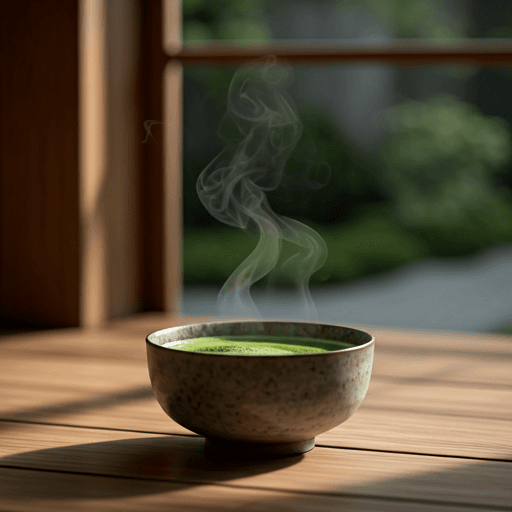
Anise tea is a caffeine-free herbal infusion made by steeping aniseed, the small seeds of the plant Pimpinella anisum, in hot water. It has a warm, naturally sweet, licorice-like flavor and is one of the classic after-dinner cups in Mediterranean and Middle Eastern kitchens. People reach for it as a gentle, soothing brew rather than a caffeinated pick-me-up, and it is easy to make at home with nothing more than seeds and just-off-boil water.
Because the word "anise" attaches to a few different plants, this guide keeps things clear: what aniseed actually is, how it differs from star anise, fennel and licorice root, what the warm flavor is doing, the traditional uses people associate with it, exactly how to brew a good cup, and an important safety note about one toxic look-alike you must avoid.
What is anise tea?
Anise tea is a tisane, meaning an herbal infusion that contains no leaves from the tea plant (Camellia sinensis) and therefore no caffeine. The brew comes from aniseed, the dried fruit of Pimpinella anisum, an annual herb in the parsley family (Apiaceae) that is native to the eastern Mediterranean and Southwest Asia. The seeds are tiny, ridged and gray-brown, and they smell sweetly of licorice the moment you crush them.
You will see this cup labeled a few ways. "Aniseed tea" and "anise tea" are the same thing. "Star anise tea" usually means a separate but related infusion made from a different plant (more on that below). All of them lean on the same headline note, a sweet licorice character, which is why they get confused so often.
Where the licorice flavor comes from
The signature taste is the work of a single aromatic compound called anethole. Anethole dominates the essential oil of aniseed, and it also dominates fennel and true star anise, which is exactly why three unrelated plants taste so similar. Anise tea is sweeter and rounder than you expect from a plain seed, with a clean, slightly cooling finish and no bitterness when brewed properly.
Aniseed vs star anise vs fennel vs licorice root
These four are easy to mix up because they share the licorice note, but they are botanically distinct plants. Knowing the difference matters for both flavor and safety.
| Name | Plant | What you use | Flavor |
|---|---|---|---|
| Aniseed (anise) | Pimpinella anisum (parsley family) | Small seeds | Sweet, warm, licorice; the classic anise tea |
| Star anise | Illicium verum (an evergreen tree) | Star-shaped dried fruit | Bolder, more resinous, very aromatic; also brewed as tea |
| Fennel | Foeniculum vulgare (parsley family) | Seeds (and bulb) | Milder, greener, gently sweet licorice |
| Licorice root | Glycyrrhiza glabra (legume family) | Root | Intensely sweet and a touch bitter from glycyrrhizin, not anethole |
Two things stand out. First, aniseed, star anise and fennel taste alike because they share anethole, while licorice root gets its sweetness from a totally different compound, glycyrrhizin, which is many times sweeter than sugar. Second, aniseed and star anise are not the same plant at all: aniseed is a little seed from a low herb, while star anise is the woody star-shaped fruit of an evergreen tree (Illicium verum). Both make a pleasant brew, and they blend beautifully, but they are not interchangeable by weight. For more on the wider family of leaf-free brews, see our guide to herbal tea.
Anise tea benefits and traditional uses
Anise tea is a beverage, not a medicine, so it is worth keeping expectations grounded. What follows is what people traditionally enjoy it for and what research has generally explored, framed in general terms rather than as treatment.
- An after-meal soother. The most enduring use is as a digestif. A warm cup of aniseed tea after a heavy meal is a long-standing tradition for settling the stomach and easing that overfull feeling.
- Comfort and warmth. Its naturally sweet flavor makes it a satisfying caffeine-free option in the evening, when many people want something cozy without the stimulation of coffee or black tea.
- A traditional cold-weather sip. Anise and star anise have a long folk history in cough and congestion remedies and warming winter drinks. Treat that as culinary tradition, not a clinical claim.
- Naturally sweet, no caffeine. Because aniseed carries its own sweetness, you usually need little or no added sugar, and there is zero caffeine, so it will not keep you awake.
Keep wellness mentions in perspective. Anise tea is not a cure for anything and is no replacement for medical care. If you want a calming evening cup with a longer track record for relaxation, chamomile tea is a gentle floral alternative, and it blends well with aniseed too.
Safety: avoid Japanese star anise
This is the one part of the topic that genuinely matters for your health, so read it carefully. There are two "star anise" plants, and only one is safe to drink.
- Safe: Chinese star anise, Illicium verum, is the familiar culinary spice used in cooking and tea worldwide.
- Toxic, do not consume: Japanese star anise, Illicium anisatum, contains neurotoxic compounds including anisatin. Ingesting it can cause serious symptoms such as vomiting, muscle spasms and seizures. It is traditionally burned as incense, not eaten.
The real-world risk is contamination. There have been documented poisonings when batches of Chinese star anise were accidentally or deliberately adulterated with the toxic Japanese species, because the two dried fruits look almost identical once processed. Reported cases have affected adults and infants alike, which is why food-safety regulators have warned against brewing tea from loose, unverified star anise. To stay safe, buy clearly labeled culinary aniseed or Chinese star anise from a reputable food supplier, and never forage or use ornamental or incense-grade star anise for tea. Plain aniseed from Pimpinella anisum sidesteps this issue entirely, which is one reason it is the simplest choice for a home brew.
A few more sensible cautions: anise is a potent aromatic, so people who are pregnant or breastfeeding, and anyone on medication or with a health condition, should check with a clinician before drinking it regularly. As with any herbal infusion, moderation is the rule.
How to brew anise tea
Brewing anise tea takes about ten minutes and rewards a little patience. The single best tip is to lightly crush the seeds first, which cracks them open so the aromatic oils release into the water instead of staying locked inside.
Ingredients
- 1 teaspoon whole aniseed (or 2 to 3 whole pods of clearly labeled Chinese star anise, lightly broken) per cup
- About 1 cup (240 ml) water, just off the boil
- Optional: a slice of fresh ginger, a few fennel seeds, a chamomile or mint blend, honey or a thin slice of lemon
Steps
- Lightly crush the aniseed in a mortar and pestle, or press them under the flat of a spoon. You only want to crack them, not grind to powder.
- Bring water to a boil, then let it sit for 30 to 60 seconds so it is just off the boil rather than violently boiling.
- Put the crushed seeds in a cup, teapot or small saucepan and pour the hot water over them.
- Cover and steep for 5 to 10 minutes. Longer steeping gives a sweeter, more pronounced licorice cup.
- Strain out the seeds and serve hot or warm. Taste before adding anything, since the brew is naturally sweet and often needs nothing.
To deepen the flavor, simmer the seeds gently in a saucepan for a few minutes rather than only steeping. For a softer, more rounded cup, blend aniseed with fennel for an extra-mellow licorice note, with a little fresh ginger for warmth, or with chamomile or mint for an evening tisane. If you want to dial in your technique across all loose ingredients, our guide to making tea covers water temperature and steep times, and our roundup of tea and herb blends has more pairing ideas.
Star anise tea, the bolder cousin
If you brew star anise tea instead of aniseed, expect a bolder, more aromatic and slightly more resinous cup. One or two pods of Chinese star anise go a long way, so use a light hand, steep, then taste. It is lovely with cinnamon and orange peel as a spiced winter infusion. Just remember the safety rule above: only ever use clearly labeled, food-grade Chinese star anise (Illicium verum).
The bottom line
Anise tea is one of the most welcoming herbal infusions you can make: sweet, warming, caffeine-free and ready in minutes from a single spoon of crushed seeds. Lean on culinary aniseed or properly labeled Chinese star anise, never the toxic Japanese species, keep your wellness expectations modest, and enjoy it for what it is, a comforting after-dinner cup. If licorice-leaning brews are your thing, explore the rest of our herbal tea coverage and keep experimenting with your own blends.