
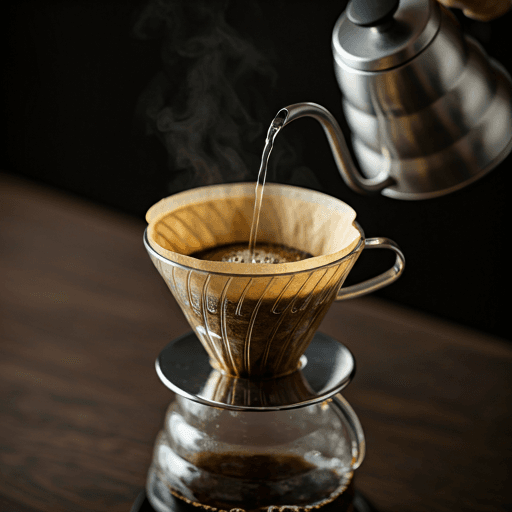
Third wave coffee is the movement that treats coffee as an artisanal, craft product rather than a commodity, much like fine wine or craft beer. It emphasizes where the beans come from, who grew them, careful and often lighter roasting, and skilled brewing that highlights a coffee's natural flavor. If you have ever seen a menu listing a single farm, an altitude, and tasting notes like "blueberry" or "jasmine," you have met the third wave. The phrase "3rd wave coffee" means exactly the same thing.
To understand the third wave, it helps to know the two waves that came before it. The "three waves" framework is a loose but useful way to tell the story of how coffee became a daily staple, then an experience, and finally a craft.
The three waves of coffee, in plain terms
The "waves" idea is a shorthand the coffee industry borrowed to describe big shifts in how people make, sell and drink coffee. It is not a strict timeline, and the waves overlap and still coexist today. But each wave captures a genuine change in priorities.
First wave: coffee as a daily staple
The first wave runs from roughly the early 1900s through the mid-twentieth century. This is the era that made coffee a household habit for millions of people. The goal was simple: get coffee into as many homes as cheaply and conveniently as possible.
First wave coffee is the world of vacuum-sealed cans, pre-ground blends and instant coffee. Brands like Folgers and Maxwell House defined it. Innovations such as vacuum packing kept ground coffee fresher on the shelf, and instant coffee made a cup possible with nothing but hot water. Flavor and origin were not the point. Reliability, price and convenience were. The first wave democratized coffee and turned it into an everyday drink, and that legacy is still everywhere on supermarket shelves. If you want the back-story on the raw material itself, our guide to what coffee beans are covers the basics.
Second wave: coffee as an experience
The second wave began gathering force from the 1960s and exploded from the 1980s and 1990s onward. Here the focus shifts from the kitchen cupboard to the cafe. Coffee stops being just fuel and starts being a social experience and a small everyday luxury.
Pioneers like Peet's Coffee introduced the idea that the country of origin mattered and that fresh, darker roasting could be a selling point. Then a single brand scaled the cafe experience worldwide: Starbucks. The second wave gave us the espresso bar as a destination, comfortable seating, and a menu built around milk drinks like the latte and cappuccino, often dressed up with caramel, chocolate and flavored syrups. Words like "barista," "espresso" and "to-go cup" entered everyday language. If the first wave was about volume, the second was about atmosphere and the ritual of ordering a drink made for you. You can see this idea developed further in our explainer on what a cafe is.
Third wave: coffee as a craft
The third wave is the subject of this guide. It started gaining real momentum in the early 2000s and is still the dominant movement among independent roasters and cafes today. The big idea is that coffee deserves the same respect, curiosity and craftsmanship we already give to wine, craft beer, chocolate or olive oil.
That shift changes everything about how third wave coffee is sourced, roasted, brewed and described. Where the first wave hid the bean behind a brand and the second wave sold the cafe experience, the third wave puts the coffee itself, and the people who grew it, front and center.
What makes third wave coffee different
The third wave is less a fixed rulebook and more a set of shared values. A few features show up again and again.
- Single-origin and traceability. Instead of an anonymous blend, third wave bags often name a specific country, region, farm or cooperative, the producer, the variety, the altitude and the processing method. The story of a coffee is treated as part of its value.
- Lighter roasting. Third wave roasters tend to roast lighter than second wave shops, often stopping at or just after the "first crack." Lighter roasting preserves the bean's origin character, so you taste the fruit, florals or sweetness of a particular place rather than a uniform roasty bitterness. Our coffee roasters guide goes deeper on how roast level shapes flavor.
- Manual and precise brewing. Pour-over methods, careful espresso dialing, and attention to grind, water, ratio and time are central. Brewing is treated as a skill that can be measured and improved.
- Direct relationships and ethics. Many third wave roasters emphasize direct trade or close relationships with farms, fairer prices for producers, and attention to environmental and community impact.
- The barista as a craftsperson. Latte art, recipe consistency and product knowledge are signs of a skilled barista, and the third wave elevated the role into a genuine profession.
Put simply, where earlier waves asked "how cheap?" or "how comforting?", the third wave asks "how good, how transparent, and how true to its origin can this coffee be?"
How third wave coffee relates to specialty coffee
People often use "third wave coffee" and "specialty coffee" interchangeably, but they are not quite the same thing. Specialty coffee is a quality standard: green coffee that scores 80 points or higher on a 100-point scale, judged by trained tasters. The term has been around since the 1970s, long before anyone spoke of waves.
The third wave is the broader cultural movement that grew up around using that high-grade coffee well, roasting it thoughtfully and brewing it with care. In other words, specialty coffee is the raw quality benchmark, and the third wave is the culture and craft built on top of it. Almost all third wave coffee is specialty grade, but the third wave is also about values, transparency and presentation, not just a score. For the quality concept on its own, see our explainer on what specialty coffee is.
| Wave | Era | What it sold | Typical form |
|---|---|---|---|
| First wave | Early 1900s onward | Convenience and low price | Canned, pre-ground, instant |
| Second wave | 1960s and especially 1980s-90s | The cafe experience | Espresso drinks, darker roasts, chains |
| Third wave | Early 2000s onward | Craft and origin | Single-origin, light roast, pour-over |
Where did the term "third wave coffee" come from?
The language of waves was borrowed from feminism's first, second and third waves. Coffee broker and writer Timothy Castle is credited with first using the phrase "coffee's third wave" around 1999 to 2000, and coffee professional Trish Rothgeb popularized it in an article first published around 2002 to 2003. Mainstream coverage followed in the mid-2000s, and the framework stuck because it gave a tidy name to a real change people could feel in their cup.
You will see the same idea written as "3rd wave coffee," "coffee 3rd wave" or even "three wave coffee." These are all just variations on the same concept. Whatever the spelling, they point to the move from coffee-as-commodity toward coffee-as-craft.
Is there a fourth wave of coffee?
You may hear talk of a "fourth wave," but it is debated and loosely defined. There is no single agreed meaning. The most common interpretations include a more scientific, data-driven approach to extraction and brewing; the rise of sustainable micro-roasters and high-end home equipment; the spread of specialty culture into new coffee-loving countries with their own distinct scenes; and efforts to make premium coffee more accessible to everyday drinkers. Trish Rothgeb herself has framed the fourth wave as being more about community than about what is in the cup.
Some people see these as a genuine new chapter. Others argue they are simply the third wave maturing rather than a separate movement. Either way, the third wave remains the defining force in craft coffee today, and the fourth wave conversation is mostly about where it goes next.
How to experience third wave coffee yourself
You do not need a passport or a barista certificate to taste what the third wave is about. Look for a bag that names a specific origin and roast date, choose a method that lets the coffee speak for itself, and pay attention to grind and freshness. A pour-over, an AeroPress or a well-made batch brew will all reward good, freshly roasted beans.
Ultimately, third wave coffee is less about gatekeeping and more about curiosity. It invites you to ask where a coffee comes from, who grew it, and what makes it taste the way it does. Once you start tasting coffee that way, an ordinary cup becomes a small window onto a farm halfway around the world. To go deeper, explore how roasting shapes flavor in our coffee roasters guide, or read up on the beans themselves and the people behind your cup.