
Knowledge Base
Coffee & Tea Guides
Brew better and explore more — buying guides, how-tos, and explainers for every coffee and tea ritual.
Explainer
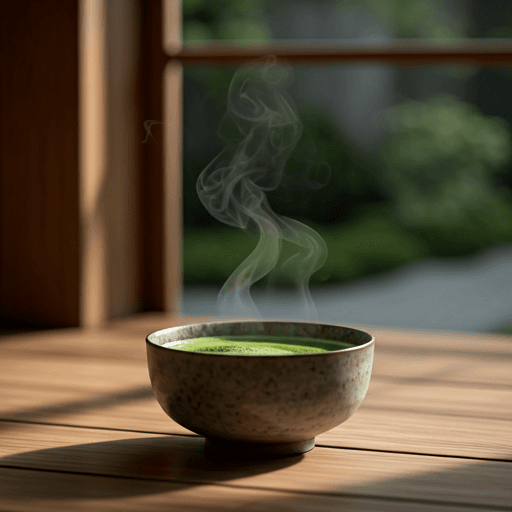
Mint Tea: Benefits and How to Make It
Mint tea is a caffeine-free infusion of peppermint, spearmint or fresh mint leaves. Here are the types, the benefits it may offer, and how to make it hot or iced.
Explainer
Milo: The Malted Chocolate Drink, Explained
Milo is Nestle's malted chocolate drink powder, not a tea or coffee. Here's what it is, its Australian origins, how to make it hot, iced or as a Milo Dinosaur, and how much caffeine it really has.
Explainer
Milk Thistle Tea: Benefits, Uses and Cautions
A balanced, hedged guide to milk thistle tea: what Silybum marianum and its silymarin really are, the possible liver and digestion benefits, how to brew the seeds properly, and who should be cautious.
Explainer
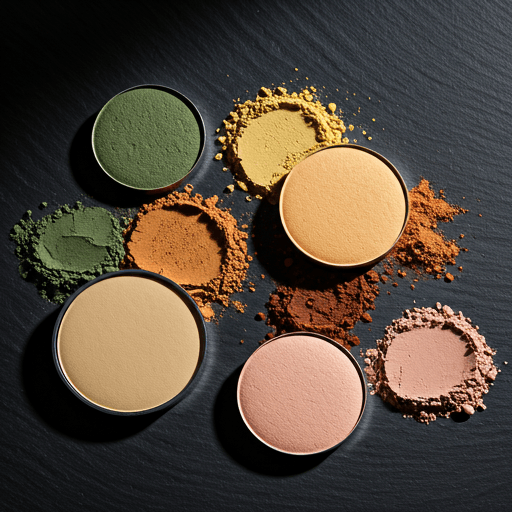
Milk Oolong Tea (Jin Xuan) Explained
Milk oolong (Jin Xuan) is a lightly oxidized Taiwanese oolong with a naturally creamy, buttery aroma and no added milk. Here is what it is, why it tastes milky, how to tell natural from flavored, and how to brew it.
Explainer
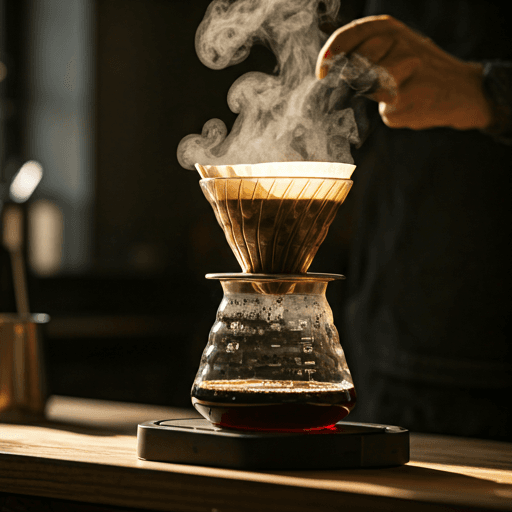
Milk Coffee: Every Way to Drink Coffee With Milk
Milk coffee is any coffee softened with milk. See how lattes, cappuccinos, flat whites, cortados and macchiatos differ by coffee base, milk amount and foam — and how to choose the right one.
Explainer
Mexican Coffee: Cafe de Olla, Cocktail and Beans
Mexican coffee can mean three very different things: the spiced clay-pot brew cafe de olla, a warm coffee-and-tequila cocktail, or mild, chocolatey beans grown in Chiapas, Veracruz and Oaxaca. Here is how to tell them apart and make each one.
Explainer
Matcha Powder vs Leaves: Is Matcha Green Tea Powder Different?
Matcha is green tea in powdered form, not loose leaves you steep. Here is what actually separates matcha green tea powder from whole tea leaves, and why you drink one whole and discard the other.
Explainer
Matcha Latte Calories: What's Really in the Cup
Matcha itself is nearly calorie-free, so a matcha latte's calories come almost entirely from the milk and any sweetener. Here's a calorie map by milk type, why cafe cups run higher, and how to make yours lighter.
Explainer
Matcha Benefits: What the Science Actually Says
Because you drink the whole shade-grown leaf, matcha concentrates green tea's caffeine, L-theanine and catechins. Here's a balanced, evidence-based look at matcha benefits and the caveats worth knowing.
Explainer
Premium Matcha Grades and Types: A Buyer's Guide
Premium matcha is a marketing word, not a regulation. Here is the real quality ladder, what organic and pure mean on a tin, the origins and cultivars worth knowing, and how to match a type to your cup.
Explainer
Matcha and Weight Loss: What the Evidence Says
Can matcha help you lose weight? An honest, hedged look at how matcha's EGCG and caffeine may lend a small metabolic assist - and why sweetened lattes cancel it out.
Explainer
Matcha Color Guide: What the Green Tells You
A vivid jade green signals fresh, high-grade matcha, while dull yellow or brown warns of lower grade or age. Here is how to read matcha color like a quality label.
Explainer
Matcha Caffeine Content: How Much Is in a Cup
A whisked cup of matcha carries roughly 40-80 mg of caffeine - more than steeped green tea, usually less than coffee. Here's what sets the dose, how matcha compares to coffee and green tea, why L-theanine makes the energy feel calm and steady, and who should go easy.
Explainer
Matcha Bars: Inside the Matcha Cafe Boom
A matcha bar is a cafe built around whisked-to-order matcha the way a coffee bar is built around espresso. Here is how the format works, what is on the menu, and why matcha cafes went global from Tokyo to New York, London and Melbourne.
Explainer
Matcha Antioxidants: Why It Packs More Than Green Tea
Because you whisk and drink the whole shade-grown leaf, matcha delivers more antioxidants, led by EGCG, per cup than steeped green tea. Here is why, and how to keep them.
Explainer
Marshmallow Root Tea: Benefits and How to Use It
Marshmallow root tea is a caffeine-free infusion of Althaea officinalis, rich in soothing mucilage. Here is what it may do, how to brew it cold for the silkiest texture, and who should be cautious.
Explainer
Luxury Hotel Afternoon Tea: The Ritz and Beyond
Afternoon tea at the Ritz is the definitive grand hotel version of the ritual. Here's what makes a luxury hotel afternoon tea special, the iconic rooms from Claridge's to the Savoy and beyond, and what to expect when you book.
Explainer
Low Acid Coffee: What It Is and How to Choose
Low acid coffee is coffee that's gentler on the stomach. Here's what actually lowers acidity — dark roasts, mellow origins, and cold brew — plus who might benefit and how to make any cup smoother.
Explainer
Longjing (Dragon Well): China's Famous Green Tea
Longjing, or Dragon Well, is China's most famous pan-fired green tea from West Lake in Hangzhou. Here is what makes its flat jade leaves and chestnutty taste special, how its grades work, and how to brew it well.
Explainer
Lipton Iced Tea: The Range, Flavours and How to Make It
Lipton iced tea is a whole line, not one drink: ready-to-drink bottles, powdered mixes and tea bags you brew and chill. Here are the formats, flavours, how to make it at home, and how it compares.
Explainer
Lipton Earl Grey Tea, Explained: Taste, Caffeine and Brewing
Lipton Earl Grey is Lipton's mainstream, everyday Earl Grey: black tea flavored with bergamot, sold mostly in tea bags. Here is how it tastes, its caffeine, how to brew it well, and the varieties in the range.
Explainer
Lion's Mane Mushroom Coffee: What It Is and Benefits
Lion's mane mushroom coffee blends regular coffee with an extract of Hericium erinaceus, marketed for focus and calmer energy. Here is what it is, how it's made, the caffeine, the honest evidence behind the claims, and who should be cautious.
Explainer
Linden Tea: Benefits, Uses and How to Brew
Linden tea, also called lime flower tea or tilleul, is a caffeine-free herbal infusion long loved across Europe. Here is what it is, its traditional calming and cold-soothing uses, how to brew it, and who should be cautious.
Explainer
Liberica Coffee: The Fourth Coffee Species Explained
Meet Liberica, the rare third-or-fourth coffee species after Arabica and Robusta: bold, smoky, jackfruit-scented beans, where they grow, why they stay scarce, and how Excelsa fits in.