
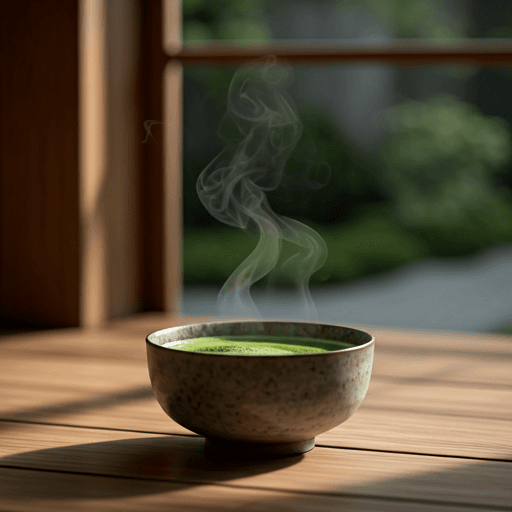
The main matcha benefits come from a simple fact: you whisk the whole shade-grown green-tea leaf into water and drink it, rather than steeping leaves and throwing them away. That means a single serving delivers a concentrated dose of the compounds green tea is known for — catechins led by EGCG, the calming amino acid L-theanine, and caffeine — which small-to-moderate studies link to steady energy, antioxidant activity, and modest support for heart and metabolic markers. None of that makes matcha a medicine, and the effects are real but measured, so it helps to know what the evidence actually shows.
Why matcha concentrates green tea's benefits
Matcha is green tea in powdered form. The plants are shade-grown for the last few weeks before harvest, the leaves are steamed, dried and de-stemmed into tencha, and then stone-ground into a fine powder. Because you consume the whole leaf in suspension rather than an infusion, you take in more of its catechins, chlorophyll, L-theanine and caffeine per cup than you would from a bag of steeped sencha — by some measures roughly three times the catechins. For the full picture of how it is grown and made, see our guide to what matcha is. The rest of this article focuses on what those compounds may — and may not — do for you.
What are the main matcha benefits?
Researchers usually sort the plausible upsides into a few buckets: calm, sustained energy; antioxidant activity; small effects on heart and metabolic markers; and a lift in focus and mood. The strength of the evidence differs for each, and much of it comes from green tea generally, or from concentrated extracts, rather than from cups of matcha specifically. Read the sections below as "may help," not "will fix."
Calm, steady energy
This is the benefit matcha drinkers describe most, and it has a reasonable mechanism behind it. A typical 1–2 gram serving carries roughly 40–80 mg of caffeine — less than a strong coffee but enough to feel — paired with L-theanine, an amino acid associated with a relaxed yet alert state. The two together are often described as giving energy without the jitters or sharp crash of coffee, and small trials pairing caffeine with L-theanine have reported steadier, calmer alertness. The exact caffeine content varies with grade, serving size and how vigorously you whisk, so treat 40–80 mg as a ballpark rather than a fixed dose.
Antioxidant activity
Matcha is rich in catechins, especially epigallocatechin gallate (EGCG), plant compounds that behave as antioxidants in the body. Because you drink the whole leaf, a serving can supply meaningfully more of these than a cup of steeped green tea. That said, antioxidant capacity measured in a lab does not translate one-to-one into health outcomes, and "high in antioxidants" is often oversold on packaging. We keep the deep dive — EGCG, ORAC scores and what they really mean — in our dedicated guide to matcha antioxidants.
Heart and metabolic markers
Some studies — mostly on green tea or green-tea catechins rather than matcha itself — associate regular consumption with modest, favourable shifts in markers such as LDL cholesterol and blood pressure, and with a small nudge to fat oxidation and daily energy expenditure. The key words are modest and some studies: results are mixed, effect sizes are small, and a sweetened cafe latte can add enough sugar and calories to cancel out any metabolic edge. If you are curious about the fat-burning claims specifically, we cover them honestly in matcha for weight loss. For how green tea's benefits stack up more broadly, see green tea benefits.
Focus and mood
The same caffeine-and-L-theanine pairing that steadies energy is also linked, in short-term studies, to better attention, faster reaction time and a calmer mood — one reason matcha has a following among people who want to concentrate without feeling wired. The slow ritual of sifting and whisking a bowl by hand may add to that sense of a mindful pause, though that part is harder to measure. As with the rest, think gentle, temporary support rather than a cognitive supplement.
Matcha tea benefits vs. what the evidence says
Marketing tends to flatten every one of these into a bold promise. Here is a more honest read of the common claims about matcha powder benefits and what the research actually supports.
| Claimed benefit | What the evidence actually supports |
|---|---|
| Calm, jitter-free energy | Plausible. Caffeine (~40–80 mg per serving) plus L-theanine is linked to calm alertness in small studies; individual response varies. |
| Antioxidant boost | Matcha is genuinely high in catechins and EGCG, but lab antioxidant scores do not equal guaranteed health outcomes. |
| Lower cholesterol or blood pressure | Some green-tea studies show modest, favourable shifts; evidence is mixed and mostly not matcha-specific. Not a treatment. |
| Weight loss / fat burning | EGCG plus caffeine may give a small metabolic nudge; effects are modest and easily offset by sweetened drinks. |
| Sharper focus and better mood | Short-term studies suggest improved attention and calm; effects are gentle and temporary. |
| "Detox" or disease cure | No. There is no good evidence that matcha detoxifies the body or treats disease — be sceptical of such claims. |
The caveats: caffeine, pregnancy, oxalates and quality
Matcha is a food, not a supplement, and for most healthy adults a cup or two a day fits comfortably into a balanced diet. A few caveats are worth knowing before you make it a daily habit.
- Caffeine adds up. Because you drink the whole leaf, matcha's caffeine is real and counts toward your daily total. If you are caffeine-sensitive, tally it against coffee, tea and soft drinks, and skip it late in the day if it disturbs your sleep.
- Pregnancy and breastfeeding. Caffeine intake is usually limited during pregnancy, and matcha counts toward that limit. Green tea may also interfere with folate absorption. If you are pregnant, nursing or managing a health condition, ask your doctor or midwife what is appropriate for you.
- Oxalates. Green tea, matcha included, contains oxalates, which can matter for people prone to certain kidney stones. If that is you, mention your tea habit to your clinician.
- Iron and medications. Tea drunk with meals can modestly reduce the absorption of non-heme (plant) iron, and catechins and caffeine can interact with some medications — worth noting if your iron is low or you take regular prescriptions. Drinking matcha between meals sidesteps most of the iron issue.
- Choose reputable, tested matcha. The tea plant can take up trace metals such as lead from soil, and the whole-leaf format means you consume whatever ends up in the powder. Moderate drinking of good matcha is generally considered low risk, but buy from brands that share their origin (Uji, Nishio, Kagoshima and Shizuoka in Japan are common) and, ideally, independent testing. Vivid green colour and a fresh, grassy aroma are good signs of quality.
None of this is medical advice, and matcha does not cure or treat any condition. If you have a specific concern, a doctor or registered dietitian can weigh it against your own health and medications.
So, is matcha good for you?
For most people, yes — in the measured way that any wholesome food or drink is good for you. The benefits of drinking matcha are genuine but modest: whisking and drinking the whole shade-grown leaf gives you a concentrated, pleasant source of caffeine, L-theanine and catechins, and the research points to real support for energy, focus and a few heart and metabolic markers. What it is not is a miracle powder or a substitute for sleep, movement and a balanced diet. Enjoyed as a daily ritual rather than a remedy, and chosen from a source you trust, matcha is an easy, low-calorie pleasure with a real, evidence-informed upside.