
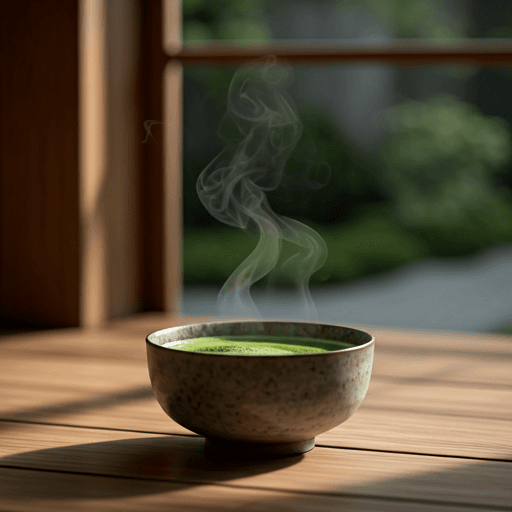
Does matcha help you lose weight? The honest answer on matcha and weight loss is that it is no fat-burning miracle - but as a naturally low-calorie, unsweetened drink, matcha's plant compounds (mainly the catechin EGCG) plus its caffeine may give a small, temporary nudge to metabolism and fat oxidation in some studies. That effect is modest, varies from person to person, and only tends to matter alongside a sensible diet and regular activity.
Because matcha is shade-grown green tea leaf that is stone-ground into a powder you whisk and drink whole (here is more on what matcha is), you take in more of those catechins per cup than you would from a bag of steeped green tea. That is the grain of truth behind the "matcha for weight loss" headlines - but it is a nudge, not a shortcut. Here is what the research actually supports, and where the marketing gets ahead of the evidence.
What the evidence says about matcha and weight loss
Most of the science here is borrowed from studies on green tea and its concentrated extracts, since matcha is green tea in powdered form. Reviews of that research suggest green-tea catechins combined with caffeine may produce a small rise in energy expenditure and fat oxidation, and a modest effect on body weight over intervention periods of several weeks or more. The recurring word in every careful paper is "modest": this is a gentle assist, not fat melting away.
It also matters that many of the strongest trials used high-dose EGCG capsules rather than cups of tea. A serving of matcha (roughly 1 to 2 grams of powder) delivers useful catechins and about 40 to 80 mg of caffeine, but far less EGCG than a supplement. So while "matcha green tea for weight loss" has a plausible mechanism, a real drink delivers a smaller dose than the flashiest studies imply.
The picture is also not settled. Results differ by dose, by how long people take matcha, by genetics and habitual caffeine intake, and by whether participants are dieting at the same time. Some well-run trials find no meaningful weight difference at all. That inconsistency is exactly why honest coverage of matcha and weight loss lands on "may" and "modest" rather than a confident promise.
EGCG and caffeine work together
The most studied pathway pairs EGCG with caffeine. Caffeine is a mild stimulant that can slightly raise energy expenditure, and research suggests EGCG may help that fat-oxidation effect last a little longer than caffeine alone. Some small studies show a short-term rise in calories burned; others show almost nothing, and the body can adapt over time. Treat any "matcha fat loss" claim built on this pathway as "may help a little," not "will."
Appetite, energy and everyday habits
Beyond biochemistry, matcha may support weight goals through plain behavior. A warm, flavorful, near-zero-calorie drink can be satisfying between meals, and the caffeine may make a walk or workout feel more doable. Some people find a cup helps them ride out a craving. None of this is a guaranteed appetite suppressant - the evidence for tea meaningfully cutting hunger is thin - but the ritual can nudge daily habits in a helpful direction.
The biggest lever: swapping sugary drinks
Ironically, matcha's most reliable contribution to "matcha tea for weight loss" has little to do with catechins. If an unsweetened matcha replaces a daily sweetened soda, fruit juice, or blended coffee, you may cut a meaningful number of calories - and that single swap usually matters far more than any metabolic effect from the tea itself.
Matcha and weight loss: mechanism vs. evidence
The table below lines up each popular claim against what the research actually shows.
| Proposed mechanism | What the evidence actually shows | Bottom line |
|---|---|---|
| EGCG + caffeine raise metabolism | Small, short-term rise in energy expenditure and fat oxidation in some studies; effect is often measured with high-dose extracts and can fade | Real but modest and inconsistent |
| Boosts metabolism "all day" | Any increase in energy expenditure is small and often short-lived; the body can adapt to regular caffeine | Overstated |
| Suppresses appetite | Limited, mixed evidence; no strong proof matcha reliably curbs hunger | Do not count on it |
| Helps fat oxidation during exercise | Some small trials suggest a minor benefit when combined with activity, not on its own | May help a little, alongside movement |
| Replacing sugary drinks with unsweetened matcha | Directly cuts calories from the drinks it displaces | Often the biggest real-world win |
| "Detoxes" or melts fat | No evidence matcha detoxifies the body or melts fat | Marketing, not science |
Why sweetened matcha lattes can undo the benefit
Here is where good intentions unravel. Matcha powder itself is almost calorie-free, at roughly 3 to 5 kcal per gram. Nearly all the calories in a cafe matcha come from what is added to it: whole milk, sweetened condensed milk, flavored syrups, or a pre-sweetened matcha powder that is often mostly sugar. A large, sweetened matcha latte can run a few hundred calories - easily enough to cancel any modest metabolic nudge several times over.
If weight is your goal, the small choices add up: order it unsweetened or lightly sweetened, pick a smaller size, and choose a lower-calorie milk if that suits your diet. The powder is not the problem here; the syrup and sugar usually are.
L-theanine and calmer energy
Matcha's other signature compound is L-theanine, an amino acid concentrated in shade-grown leaf. Paired with caffeine, L-theanine is associated with a smoother, calmer alertness - less of the jittery spike and crash some people get from coffee. That is not a weight-loss mechanism on its own, but steadier energy and fewer crashes can make it easier to stay active and to sidestep stress-driven snacking. For matcha's wider health benefits beyond weight, see our dedicated guide. Think of L-theanine as supporting the habits that actually move the needle.
Realistic expectations
Set the bar honestly. No tea, matcha included, overrides your overall calorie balance, sleep, stress, or how much you move. The likeliest way matcha helps is indirect: it is a flavorful, near-zero-calorie drink that can replace higher-calorie ones, and its gentle caffeine-plus-theanine lift can support an active day. Any direct fat-burning effect is small, variable, and easy to erase with added sugar.
Habits that help more than any tea
If you want to lean on matcha sensibly, a few habits do the real work:
- Drink it unsweetened, or sweeten it lightly yourself so you control the sugar.
- Use it to replace a higher-calorie drink rather than adding it on top of your day.
- Keep total daily caffeine in a comfortable range, and avoid it late in the day if it disrupts your sleep.
- Pair it with the basics that genuinely drive results: whole foods, enough protein and fiber, movement, and rest.
For the wider picture, see how green tea compares for weight loss and how matcha stacks up against the best teas for weight loss - and remember that matcha is one small supporting player, not the plan.
Caffeine cautions and who should be careful
Because matcha delivers whole-leaf caffeine, keep an eye on your total across the day. Too much caffeine can cause jitters, a racing heart, disrupted sleep, or an upset stomach. People who are pregnant or breastfeeding, sensitive to caffeine, managing a heart condition or high blood pressure, or taking medications should be especially careful and keep intake moderate. Green-tea catechins in large supplement doses have also been linked, in rare cases, to liver problems - one more reason to favor a whisked cup over loading up on concentrated extracts. If you are unsure, ask a doctor or a qualified health professional what is right for you. This article is general information, not medical advice.
Matcha earns a modest, honest place in a weight-conscious routine - not as a fat-burner, but as a low-calorie, ritual-friendly drink whose catechins and caffeine may lend a small assist to an already balanced diet and active lifestyle. Enjoy it first for the flavor and the calm, steady energy; treat any metabolic bonus as a small extra, and keep the sugar out of the cup.