
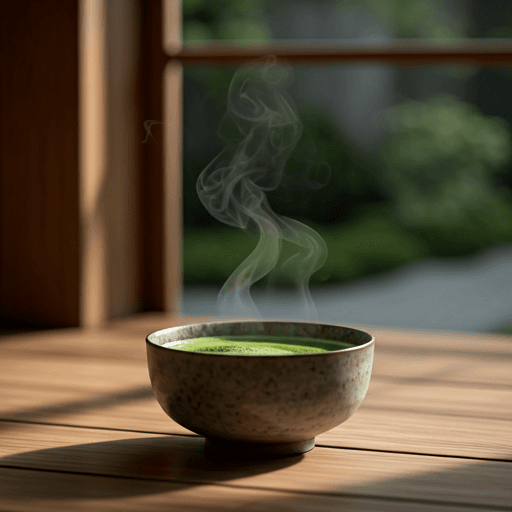
Linden tea is a caffeine-free herbal infusion made from the fragrant, pale-yellow blossoms and their leafy bracts of the linden tree (Tilia species). Also known as lime flower tea or tilleul, it has been sipped across Europe for centuries as a gentle, honey-sweet cup — the kind of soothing tea people traditionally reach for to unwind in the evening, ease the discomfort of a cold, or settle before bed. Despite the “lime” in one of its names, it has nothing to do with citrus; the “lime tree” is simply an old British name for the linden.
Because it is an infusion of flowers rather than leaves of the tea plant, linden belongs to the wider world of caffeine-free herbal blends. If you want the bigger picture of how tisanes differ from true tea, our overview of what herbal tea is sets the scene; this guide stays focused on linden itself.
What is linden tea?
Linden tea is brewed from the dried flowers and bracts of the Tilia tree — a tall, broad-canopied deciduous tree common across Europe, parts of Asia, and North America. Several species are used interchangeably, most often small-leaved linden (Tilia cordata) and large-leaved linden (Tilia platyphyllos). In early summer the trees burst into clusters of creamy, intensely perfumed blossoms that bees adore, and it is these flowers — harvested, dried, and often sold still attached to their papery wing-like bracts — that make the tea.
The drink goes by many names, which can cause confusion. In France it is tilleul; in Spanish-speaking regions tila or té de tilo; in Turkey ıhlamur. English speakers may see it labelled linden flower tea, lime flower tea, or lime blossom tea. All refer to the same thing: an herbal tisane, not a green or black tea, and naturally free of caffeine.
What linden tea tastes like
Linden has a delicate, honeyed, floral flavour with a soft, almost silky body. Many drinkers describe it as smelling like fresh honey or wildflowers, with a mild sweetness that means it rarely needs sugar. The flowers are rich in mucilage — a natural, gel-like plant compound — which gives well-steeped linden tea its characteristically smooth, throat-coating mouthfeel. Steeped too long or too hot, it can turn faintly bitter and grassy, so a gentle brew keeps it at its best.
Linden tea benefits and traditional uses
Linden has a long history in European folk herbalism, and it remains one of the classic “calming” tisanes alongside chamomile. It is important to be clear-eyed here: most of linden's reputation rests on centuries of traditional use and a modest body of early research, not on large clinical trials. The notes below describe how linden tea has traditionally been used and what limited evidence suggests — none of it is a medical claim, and none of it replaces advice from a doctor or pharmacist.
The flowers do contain genuinely interesting plant compounds: flavonoids such as quercetin, kaempferol, tiliroside, and rutin, along with volatile aromatic oils and the soothing mucilage mentioned above. These are the components researchers point to when they explore linden's possible effects.
Calm, relaxation, and sleep
The most common use of linden tea is as a gentle, unwinding evening drink. It has traditionally been taken to ease restlessness, mild anxiety, and trouble sleeping, and it is often grouped with other bedtime tisanes for exactly this reason. The evidence is limited and largely traditional rather than conclusive, so think of linden as a calming ritual that may help you wind down rather than a guaranteed sleep aid. If sleep is your main goal, it is worth comparing options in our roundups of the best herbal teas for sleep and how chamomile — linden's most famous calming cousin — is traditionally used.
Colds, coughs, and a scratchy throat
In European households, warm linden tea is a long-standing comfort drink at the first sign of a cold. Two traditional threads come together here: the mucilage may feel soothing to an irritated throat, and linden has historically been used as a diaphoretic — a drink taken hot to encourage gentle sweating during a mild fever or chill. Modern evidence for these effects is limited, and linden will not cure an infection, but a warm, caffeine-free, honey-sweetened cup can simply feel nice when you are under the weather. For a broader look at soothing options, see our guide to the best teas for colds and a sore throat.
Other traditional uses
Linden has also been used traditionally as a mild digestive tea after meals, and some folk traditions used it in relation to tension and blood pressure. These uses are not well established by rigorous research, and anything involving heart or blood-pressure effects is exactly where caution matters most (see below). Treat these as historical context, not health guidance.
Benefits and caveats at a glance
The table below summarises how linden tea is traditionally viewed and, just as importantly, the caveat attached to each point. Read the two columns together — the caveat is part of the picture, not a footnote.
| Traditional use / possible benefit | What's behind it | The caveat |
|---|---|---|
| Calm and relaxation | Long folk use as a soothing evening drink; flavonoid content | Evidence is limited and mostly traditional; effects vary by person |
| Winding down before sleep | Popular bedtime tisane, caffeine-free | Not a proven sleep treatment; may cause drowsiness, so avoid before driving |
| Soothing a scratchy throat | Natural mucilage gives a smooth, coating feel | Comfort only; does not treat infection |
| Warm comfort during a cold or mild chill | Traditionally taken hot as a diaphoretic (sweating) drink | Limited evidence; see a doctor for a high or persistent fever |
| Caffeine-free everyday sipping | An herbal infusion, no true-tea leaves | Frequent very large amounts are not well studied, especially with heart concerns |
How to brew linden tea
Linden is forgiving and easy to make. The flowers are light and fluffy, so you generally use a slightly bigger pinch than you might for a dense leaf tea. A gentle, covered steep keeps the aromatic oils in the cup and stops the tea turning bitter.
- Measure the flowers. Use roughly 1 to 2 teaspoons of dried linden flowers (or one tea bag) per cup of about 240 ml / 8 oz. Because the blossoms are so airy, err toward the fuller measure for more aroma.
- Heat the water. Bring water to just off the boil, around 90–95 C (194–203 F). Freshly boiled water that has rested for a minute is fine — you do not need it at a rolling boil.
- Steep, covered. Pour the water over the flowers and cover the cup or pot. Let it steep for about 5 to 10 minutes; longer for a stronger, more soothing brew, shorter for a lighter, more delicate cup. Covering traps the fragrant oils that would otherwise escape in the steam.
- Strain and finish. Strain out the flowers. Linden is naturally sweet, but a little honey suits it beautifully, and a slice of lemon adds brightness. It is lovely plain, too.
For a cold-infusion version, steep the flowers in room-temperature water for several hours or overnight, then strain — a gentler extraction that some feel is even smoother. Linden also blends happily with other herbs; it is a common partner for chamomile and mint in bedtime mixes.
Loose flowers vs. tea bags
| Loose dried flowers | Tea bags / sachets | |
|---|---|---|
| Aroma & flavour | Fullest, most fragrant | Reliable but usually milder |
| Convenience | Needs an infuser or strainer | Grab-and-go |
| Control | Easy to adjust strength | Fixed dose per bag |
| Best for | Everyday drinkers who want the classic cup | Travel, the office, quick brewing |
Who should be cautious with linden tea
For most healthy adults, an occasional cup of linden tea is generally considered gentle and low-risk. That said, linden is not right for everyone, and a few groups should take extra care or check first with a doctor or pharmacist:
- People with heart conditions or on heart medication. This is the most important caution. Guidance is mixed, but several sources advise that people with heart disease should not drink linden in large amounts or over long, frequent periods without medical supervision. If you have any heart concern or take cardiac medication, talk to your doctor first.
- Anyone taking sedatives or sleep medication. Because linden may add to drowsiness, combining it with sedative drugs could increase that effect. It is also sensible not to drive or operate machinery if a strong cup leaves you sleepy.
- Pregnancy and breastfeeding. There is limited reliable data on linden during pregnancy or breastfeeding, so the cautious approach is to avoid it unless your doctor or midwife says otherwise.
- People with allergies. Allergic reactions to linden are rare but possible, particularly for those sensitive to pollen or bee products, since the flowers are so nectar-rich. Stop if you notice any reaction.
None of the above is medical advice, and linden tea is not a treatment for any condition. When in doubt — especially if you take regular medication or manage a health condition — ask a qualified healthcare professional before making it a daily habit.
The bottom line on linden tea
Linden tea is one of Europe's most beloved comfort tisanes for good reason: it is caffeine-free, naturally sweet and floral, easy to brew, and steeped in centuries of tradition as a calming, cold-weather cup. Its reputation for helping you relax or soothe a scratchy throat is grounded in folk use and early research rather than firm proof, so enjoy it for what it reliably is — a fragrant, gentle ritual — and keep the caveats in mind, particularly around heart medication and pregnancy. Brew it softly, cover the cup, and let the honeyed steam do the rest.