
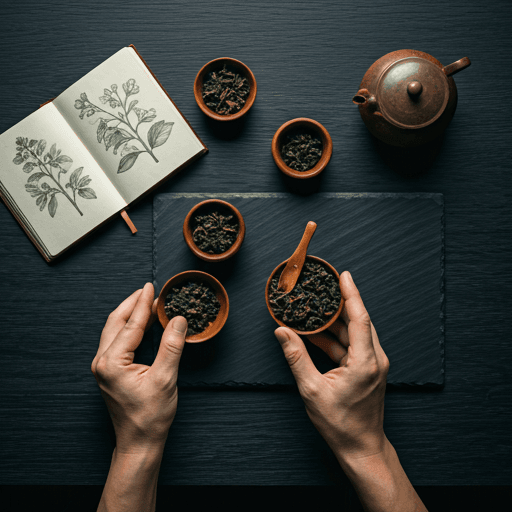
A good sleep tea is simply a caffeine-free herbal infusion you sip in the wind-down hour before bed, and the most popular ones are chamomile, valerian root, lavender, passionflower, lemon balm and the chamomile-led blends sold as "Sleepytime" or "bedtime" tea. None of these is a sleeping pill. They are soothing, warm, screen-free rituals, and a few contain plant compounds that some studies associate with relaxation. This guide rounds up the herbs most worth trying, explains why each is calming, and shows you how to brew them well.
Think of the best tea for sleep as a cue rather than a cure. The act of boiling water, holding a warm cup and slowing your breathing tells your body the day is over. That ritual does a lot of the work — the herbs add a gentle, traditional nudge on top.
What makes a herbal tea a good sleep tea
Three things separate a genuine bedtime tea from a regular cup. First, it must be caffeine-free — that rules out green, black, oolong and white tea, which all come from the same tea plant (Camellia sinensis) and contain caffeine. A true sleep tea is a herbal infusion (a tisane) made from flowers, leaves, roots or bark, not from Camellia sinensis.
Second, the herb should have a calming reputation — usually because it contains compounds that interact gently with the body's relaxation pathways. Third, it should taste good enough that you actually look forward to it, because a calming tea works best as a habit. Below, each herb is described by flavor, the compound it is known for, and how to brew it.
Chamomile: the classic tea chamomile sleep ritual
Chamomile is the most recognized bedtime herb in the world, and for most people the obvious place to start. The flower contains apigenin, a flavonoid that binds to receptors in the brain associated with calm and is the reason a tea-chamomile-sleep routine has been handed down for generations. A trial published in the Journal of Advanced Nursing found chamomile extract was associated with improved sleep quality in some adults, though researchers note more high-quality studies are needed.
Flavor: soft, apple-like, lightly floral and naturally a touch sweet. Brew one tea bag or roughly a tablespoon of dried flowers in just-off-the-boil water, cover the cup, and steep 5 to 10 minutes — covering keeps the aromatic oils in the cup instead of the air. For a deeper dive, see our chamomile tea benefits guide.
Valerian herbal tea: the strong, earthy option
Valerian root is the most assertive entry on this list. A valerian herbal tea is traditionally used to help people unwind, and the root contains valerenic acid, which is studied for its interaction with GABA, a calming neurotransmitter. Pooled analyses have suggested valerian may have positive effects on sleep for some people reporting insomnia, while bodies such as the American Academy of Sleep Medicine have been cautious, citing a need for stronger evidence.
Be warned about the smell: valerian is famously earthy, musky, almost like wet socks to some noses. Many people prefer it blended with chamomile or lemon balm to soften it. Steep 5 to 10 minutes, covered. Valerian is potent, so it is one to be careful with — see the safety note below, especially if you are pregnant, breastfeeding, or taking other medication.
Lavender, passionflower and lemon balm
Lavender
Lavender is prized mostly for its aroma — the scent itself is widely associated with reduced tension. As a tea it is floral and perfumed, and a little goes a long way; too much tastes soapy. Use a small pinch of buds, often alongside chamomile, and steep covered for about 5 minutes.
Passionflower
Passionflower is a gentle, grassy-tasting herb traditionally used to quiet a busy mind, and small trials have associated it with better-rated sleep quality. Like valerian, it is studied for GABA activity. Steep 5 to 10 minutes, covered. It is another herb to treat with care during pregnancy, breastfeeding, or alongside medication.
Lemon balm
Lemon balm is a member of the mint family with a bright, lemony, mellow flavor that makes it one of the easiest sleep herbs to enjoy on its own. Rich in calming terpenes and flavonoids, it is often paired with chamomile or valerian to lift their flavor. Our lemon balm tea guide covers it in full. Steep 5 to 10 minutes, covered.
Magnolia bark and "bedtime" blends
Magnolia bark is a traditional East Asian remedy, used for centuries in herbal practice and studied for compounds (honokiol and magnolol) linked to relaxation. It is less common in the supermarket aisle but appears in some calming blends. It has a woody, slightly bitter taste and is usually combined rather than sipped solo.
The most familiar shortcut is a ready-made bedtime tea blend. Celestial Seasonings' Sleepytime line, for example, is built around chamomile with spearmint, lemongrass and tilia (linden) flowers; variants add lavender or vanilla. These blends are formulated to taste good and brew fast — typically 4 to 6 minutes — which makes them a low-effort entry point if loose herbs feel fussy. Note that some "extra" or "melatonin" versions add active ingredients beyond herbs, so read the box.
One honest truth worth keeping in mind: any caffeine-free herbal tea can help mainly by being a calming ritual. The warmth, the pause and the routine matter as much as the plant.
Sleep tea comparison at a glance
| Herb / blend | Flavor | Known for | Best for |
|---|---|---|---|
| Chamomile | Apple-like, floral, soft | Apigenin | Everyday classic; the easy starting point |
| Valerian root | Earthy, musky, strong | Valerenic acid | Those wanting the most assertive herb |
| Lavender | Floral, perfumed | Calming aroma | Scent-led relaxation; use sparingly |
| Passionflower | Grassy, mild | GABA-linked compounds | A busy, racing mind |
| Lemon balm | Bright, lemony, mellow | Calming terpenes | Easy flavor; great in blends |
| Magnolia bark | Woody, slightly bitter | Honokiol, magnolol | Adventurous blenders |
| "Sleepytime"/bedtime blend | Minty, balanced | Chamomile + spearmint + lemongrass | Low-effort, ready-made cup |
How to choose and brew your bedtime tea
- Start with chamomile. It is the gentlest, most widely available and easiest to like. Branch out from there.
- Want it stronger? Move to valerian or passionflower — but introduce them one at a time so you know how each suits you.
- Hate the taste of valerian? Blend it with lemon balm or chamomile, or reach for a pre-made blend.
- Always steep covered, 5 to 10 minutes (4 to 6 for bag blends). A lid traps the volatile, aromatic oils that do much of the soothing.
- Skip the caffeine. Double-check that anything labelled "tea" is herbal, not green or black, before bed.
- Sweeten lightly if you like — a little honey suits chamomile and lemon balm — but a heavy sugar hit before bed is counterproductive.
- Time it right: drink your cup about 45 to 60 minutes before bed, so a full bladder doesn't wake you later.
If you are new to loose herbs, our guide on how to make tea walks through water temperature, ratios and steeping basics that apply to every infusion here.
A responsible note on tea and sleep
These are enjoyable, soothing beverages — not medicine. The herbs here are traditionally used to help people relax, and some are associated with better-rated rest in early research, but no tea cures insomnia or treats any condition. If you have ongoing sleep problems, persistent anxiety, or any health concern, speak with a clinician rather than relying on a cup.
Take extra care with the more potent herbs. Valerian and passionflower in particular should be avoided or only used with professional advice if you are pregnant or breastfeeding, and you should check with a clinician before combining any sleep herb with medication, sedatives or alcohol, since calming herbs can compound those effects. When in doubt, keep it simple: a mild chamomile or lemon balm cup is a safe, pleasant place to begin.
The bottom line
The best herbal teas for sleep are the caffeine-free ones you genuinely enjoy as part of a wind-down routine — chamomile to start, valerian or passionflower when you want something stronger, lavender and lemon balm for flavor and aroma, and a ready-made bedtime blend when you want zero fuss. Brew it covered, sip it about an hour before bed, and let the ritual do its quiet work. To keep exploring more tisanes, see our herbal tea explainer.