
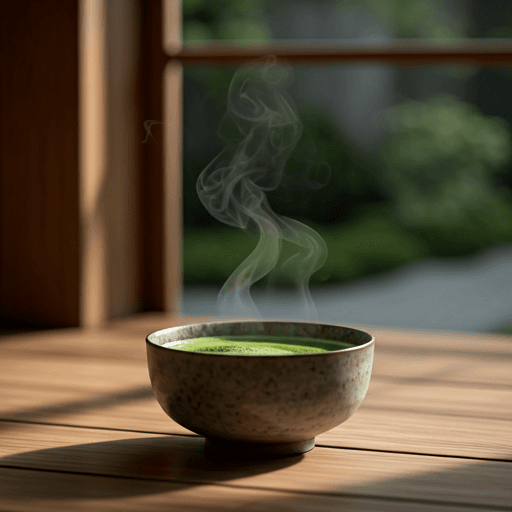
The best tea for a cold is whichever warm, soothing cup helps you keep fluids up and your throat comfortable while your body does the real work. No tea cures a cold or shortens an infection, but the right one can ease a scratchy throat, loosen a stuffy nose, and help you rest. Below we walk through the teas worth reaching for, what each one may soothe, and how to brew and drink them so they actually feel good going down.
Why tea helps a cold and sore throat (and why it does not cure it)
Most of the comfort you get from a hot cup is not magic chemistry. It is the basics: warm fluid, hydration, a little steam, and rest. Warm liquids can thin mucus and ease the feeling of a raw, tight throat, while staying hydrated helps your body cope with a fever or a runny nose. A good throat coat tea adds a second layer of relief from soothing herbs, but the warm-fluid effect is doing most of the heavy lifting.
That framing matters. A cold is usually a viral illness that runs its course over several days no matter what is in your mug. So think of tea as comfort care, not medicine. It can make you feel better hour to hour without claiming to fix anything underneath. The teas below are organized by what each one may soothe, so you can match the cup to how you actually feel.
The best tea for a cold and sore throat, by what it soothes
There is no single winner. Different teas target different symptoms, so the best tea for sore throat days may differ from the one you want for a stuffy nose or for sleep. Here is how the popular options break down, and what each may help with.
Ginger
Ginger is the workhorse of cold-season teas. It is warming, has a pleasant bite, and is traditionally used to ease nausea and settle an unsettled stomach. Many people find its warmth comforting when they feel chilled or congested, and the steam off a fresh cup can help a stuffy head feel a little clearer. Fresh ginger steeped in hot water, or a good ginger tea bag, makes a strong base you can build on with lemon and honey. For more on brewing it, see our guide to ginger tea benefits and how to make it.
Honey and lemon
This is the classic sore-throat duo. Honey is a demulcent, meaning it physically coats and soothes the throat, and a spoonful stirred into warm tea can take the edge off raw, scratchy discomfort. Lemon adds brightness, a little vitamin C, and helps cut through thick mucus. Add the honey once the tea has cooled slightly rather than to boiling water, so its texture and gentle coating survive. One firm rule: never give honey to a baby under one year old, because of the risk of infant botulism. That applies to honey in tea, on a spoon, or anywhere else. For everyone older, a honey-lemon-ginger cup is one of the most reliably comforting things to sip through a cold.
Peppermint
Peppermint contains menthol, which gives that cooling, opening sensation and may help a stuffy nose feel clearer for a while. The warm steam alone can be soothing when you are congested. One caveat worth knowing: peppermint and spearmint can relax the lower esophageal sphincter, the valve at the top of the stomach, which can worsen acid reflux or heartburn in some people. If your throat feels sore because of reflux rather than a cold, mint may not be your friend, and it is sensible to choose a gentler herbal cup instead.
Chamomile
Chamomile will not clear congestion, but it is gentle, naturally caffeine-free, and traditionally used to calm and help with rest, which is exactly what a cold demands. A cup in the evening can be part of winding down so you sleep through the worst of it, and rest is one of the few things that genuinely helps your body recover. See our chamomile tea benefits rundown for more, and our best herbal teas for sleep guide if nighttime rest is the goal.
Throat coat blends: licorice root, slippery elm, and marshmallow root
This is the category that earns the name throat coat tea. Licorice root, slippery elm bark, and marshmallow root all contain mucilage, a soft, gel-like substance that coats the mucous membranes of the throat. That coating is why these herbs feel so comforting on a raw or dry throat, and why they anchor many commercial sore-throat blends sold under throat-coat-style names. Licorice also has a naturally sweet flavor, so these teas often taste pleasant without much added sweetener. People with high blood pressure should go easy on licorice, as large amounts can affect it, and anyone on regular medication should glance at the ingredient list before drinking a blend several times a day.
Echinacea, elderberry, green tea, and turmeric
You will see these everywhere in cold-season tea aisles. Echinacea and elderberry are popular traditional choices, and some studies suggest possible mild effects, though the evidence is mixed and not a reason to expect a cure. Green tea brings antioxidants and a gentle lift, but it contains caffeine, so it is a daytime option rather than a bedtime one. Turmeric, often paired with black pepper and ginger in a warming golden-milk-style cup, is associated with general comfort and warmth. Enjoy these for the ritual and the warm fluid as much as anything else; the comfort is real even when the science is modest.
Good teas for colds at a glance
| Tea | What it may soothe | Note |
|---|---|---|
| Ginger | Chills, nausea, general comfort | Warming; great base for lemon and honey |
| Honey and lemon | Raw, scratchy throat; thick mucus | Never give honey to a baby under 1 year |
| Peppermint | Stuffy nose, congestion | May worsen reflux for some people |
| Chamomile | Restlessness; helps wind down | Caffeine-free; good before bed |
| Licorice, slippery elm, marshmallow root | Dry, sore, irritated throat | Mucilage coats the throat; go easy on licorice with high blood pressure |
| Green tea | Antioxidants; gentle daytime lift | Contains caffeine; not for bedtime |
How to choose and brew a soothing cup
- Match the tea to the symptom. Reach for ginger or peppermint for congestion, a throat coat blend for a raw throat, and chamomile when you want to rest.
- Go caffeine-free at night. Save green tea for daytime and lean on herbal blends in the evening so they do not keep you up.
- Drink it warm, not scalding. Very hot liquid can irritate an already sore throat. Let it cool to comfortably warm before sipping.
- Add honey off the boil. Stir it in once the tea has cooled a little, and remember the under-one-year rule for infants.
- Keep fluids up all day. The warm-fluid and hydration effect is the real benefit, so several cups across the day beat one heroic mug.
- Read the label on blends. Throat coat teas vary; check the ingredients if you are pregnant, breastfeeding, on medication, or sensitive to licorice.
When tea is not enough
Tea is comfort care, not treatment. See a clinician if you have a high fever, trouble breathing, severe or one-sided throat pain, difficulty swallowing, or symptoms that persist or get worse rather than easing over several days. If you are pregnant or breastfeeding, on medication, or managing a health condition, check with a clinician before leaning on any herbal blend regularly, since some herbs interact with medicines. A sore throat that lingers well past a typical cold, or a fever that keeps climbing, is worth getting looked at rather than waiting out with another cup.
The takeaway
The best tea for a cold and sore throat is the one you will actually sip all day: warm, soothing, and easy on your throat. Ginger, honey and lemon, peppermint, chamomile, and throat coat blends each bring something, but they share the same quiet superpower, which is warm fluid plus rest. Brew it gently, keep the honey rule in mind, and treat the cup as a small comfort while your body recovers. If you want to go deeper on the herbs themselves, our what is herbal tea explainer is a good next stop.