
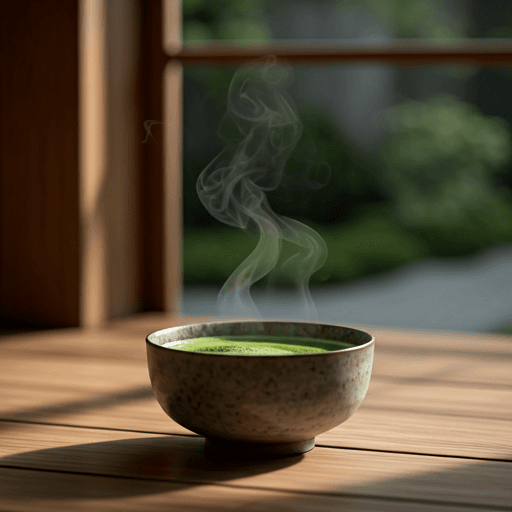
Marshmallow root tea is a caffeine-free herbal infusion made from the dried root of the marsh mallow plant, Althaea officinalis. Its signature feature is a slippery, gel-like substance called mucilage, which is why the tea has traditionally been used to soothe a scratchy throat, a dry cough, and an irritated digestive tract. It tastes mild, faintly earthy, and a little sweet, with a texture that turns silky the longer it steeps.
This page is an evidence-minded explainer: what the root is, what people have traditionally reached for it to do, how to brew it (a cold soak matters here), and who should check with a professional first. For the wider family of caffeine-free botanicals, see our overview of what herbal tea is.
What Marshmallow Root Tea Is
Marshmallow root tea is an infusion of the woody root of Althaea officinalis, a tall pink-flowered perennial native to Europe, western Asia, and North Africa that favors damp, marshy ground, hence the common name "marsh mallow." Herbalists have used the root, and sometimes the leaf and flower, for a very long time. The plant belongs to the mallow family (Malvaceae), the same broad group as hibiscus and okra, all of which share that characteristic slippery quality.
You will sometimes see it labeled marshmallow tea or althaea root tea (the botanical name is spelled Althaea, or sometimes Althea). These all refer to the same plant. The root is the most mucilage-rich part, which is why root tea is the version most people choose when they want that soothing, coating character rather than a purely floral cup.
It Is Not the Candy
The fluffy white marshmallows sold today are made from sugar, gelatin, and corn syrup and contain no plant at all. The connection is historical: confectioners once whipped the plant's starchy, mucilage-rich root sap with sugar to make a soft throat lozenge, and the sweet eventually took the plant's name. Modern marshmallows dropped the root generations ago, so eating them offers none of the tea's traditional benefits. When people talk about marshmallow root tea, they mean the herb, not the campfire treat.
The Mucilage Idea: How a Demulcent Works
The whole story of marshmallow root tea revolves around mucilage, a group of large, water-loving polysaccharides that swell into a soft, viscous gel when they meet liquid. Dried marshmallow root is unusually rich in it. In herbal terms, a plant that works this way is called a demulcent: something that forms a slippery, protective film over the moist tissues it touches, such as the lining of the mouth, throat, and gut.
The traditional reasoning is simple and physical rather than dramatic. When you sip a mucilage-rich brew, that gel is thought to coat and lubricate irritated surfaces, which may take the edge off a raw, dry, or scratchy feeling. It is a soothing, buffering action rather than a cure, and most of the evidence is traditional use plus early laboratory work rather than large human trials. That is worth keeping in mind before treating any single cup as medicine.
Traditional and Possible Uses of Marshmallow Root Tea
Marshmallow root has a long folk reputation, and a handful of small or laboratory studies point in supportive directions. The honest summary is that human evidence is limited, and results vary from person to person. With that caveat firmly in place, here are the uses people most often associate with it.
Sore Throat and Dry Cough
This is the classic reason people brew it. The demulcent coating is traditionally used to calm a dry, tickly throat and to ease the sort of unproductive cough that irritation keeps triggering. Some extracts of marshmallow root appear in throat lozenges and cough syrups for exactly this reason. For a fuller comparison of soothing options, see our roundups of the best teas for colds and sore throat and dedicated herbal tea for a sore throat, which cover honey, sage, licorice, and more alongside marshmallow.
Dry Irritation and Everyday Comfort
Because the effect is mechanical and moistening, the tea is also reached for during dry-air seasons, after a lot of talking or singing, or simply when the mouth and throat feel parched. Warm or cool, the silky texture is the appeal.
Digestive Comfort
Traditionally, the same coating idea is extended to the digestive tract, where marshmallow root tea is used to soothe general stomach and gut irritation. The proposed mechanism is the mucilage forming a soft protective layer along the digestive lining. Evidence here is largely traditional, so treat it as gentle comfort rather than a treatment for any diagnosed condition.
Skin
Cooled marshmallow root infusions have a folk history as a mild, moisturizing rinse or compress for dry or chapped skin, again thanks to the softening mucilage. This is topical, cosmetic tradition rather than a medical claim.
Benefits and Caveats at a Glance
| Traditional benefit | What is behind it | The honest caveat |
|---|---|---|
| Soothes a dry, scratchy throat | Mucilage coats and lubricates irritated tissue | Comfort measure, not a treatment; see a clinician if a sore throat is severe or lasting |
| Eases a dry, tickly cough | Demulcent action on the throat; used in some lozenges and syrups | Limited human evidence; does not replace medical care for a persistent cough |
| Digestive comfort | Gel may form a soft protective layer along the gut lining | Mostly traditional use; not a remedy for diagnosed gut conditions |
| Caffeine-free and gentle | Contains no caffeine, so it suits evenings | Can slow absorption of medicines taken at the same time (see below) |
| Skin softening (topical) | Moisturizing mucilage in a cooled rinse or compress | Cosmetic tradition; stop if any irritation appears |
How to Brew Marshmallow Root Tea
Here is the one brewing detail that genuinely matters: a cold infusion preserves more of the delicate mucilage than boiling water does, so a long cold soak gives you the slipperiest, most soothing cup. Hot brewing still works and is faster, but very hot water can break down some of that gel, and a hard boil will do it more. Either way, marshmallow root tea is naturally caffeine-free, so time of day is not a concern.
Cold Infusion (Recommended for Maximum Mucilage)
- Add about 1 tablespoon of dried, cut-and-sifted marshmallow root (roughly 1 to 2 teaspoons of powder) per 1 to 1.5 cups of cool or room-temperature water.
- Stir, cover, and let it steep at room temperature or in the refrigerator for 4 hours or overnight; the liquid will thicken and turn slightly cloudy as the mucilage releases.
- Strain through a fine mesh. Drink it cool, or gently warm it afterward without boiling.
- Sweeten with a little honey and add lemon to taste if you like.
Hot Infusion (Faster)
- Use the same ratio of root to water, but bring the water just off the boil rather than at a rolling boil.
- Pour over the root, cover, and steep 10 to 15 minutes, longer than a typical tea, to draw out the mucilage.
- Strain and sip. The texture will be a touch thinner than a cold soak, but it is quicker when you want something warm right away.
Cold Versus Hot at a Glance
| Factor | Cold infusion | Hot infusion |
|---|---|---|
| Mucilage / silkiness | Highest; heat does not degrade the gel | Good but usually thinner |
| Time | 4 hours to overnight | 10 to 15 minutes |
| Best for | Maximum soothing texture; batch-making | A quick warm cup on demand |
| Taste | Milder, cleaner | Slightly more drawn-out and earthy |
If you enjoy the earthy character of root teas, marshmallow sits comfortably alongside relatives like burdock root tea, another traditional botanical with its own distinct profile and cautions.
Who Should Be Cautious
Marshmallow root tea is generally considered gentle for most healthy adults, but the very quality that makes it soothing, that coating mucilage, is also the reason for its main practical caution. Keep the following in mind, and when in doubt, ask a doctor or pharmacist.
- It may slow the absorption of other medicines. Because mucilage forms a film in the digestive tract, it can theoretically reduce or delay how much of an oral medication your body takes up. A common-sense approach is to separate marshmallow root tea from any medicine or supplement by a couple of hours rather than taking them together.
- Diabetes and blood sugar. Marshmallow may affect blood sugar and could add to the effect of diabetes medicines. If you manage blood sugar, monitor closely and talk to your clinician first.
- Pregnancy and breastfeeding. There is not enough reliable safety data during pregnancy or nursing, so it is usually best avoided unless a qualified healthcare provider advises otherwise.
- Upcoming surgery, lithium, or diuretics. Because of the absorption and blood-sugar effects, it is often suggested to pause it before scheduled surgery, and to check first if you take lithium or diuretics.
- Allergies. Anyone sensitive to plants in the mallow family should be cautious and stop at any sign of a reaction.
None of this makes marshmallow root tea risky for most people. It simply means it interacts with the body in a real, physical way, so a little timing and a quick word with a professional, especially if you take regular medication or are pregnant, is the sensible move.
The Bottom Line
Marshmallow root tea earns its long reputation the old-fashioned way: a slippery, mucilage-rich brew that coats and comforts a dry, scratchy throat and settles gently on an irritated gut. Brew it cold for the silkiest texture, enjoy it caffeine-free at any hour, keep it apart from your medications, and treat it as the soothing ritual it is rather than a cure. Paired with rest and, when needed, proper medical care, it is a warm, unfussy addition to a caffeine-free herbal shelf.