
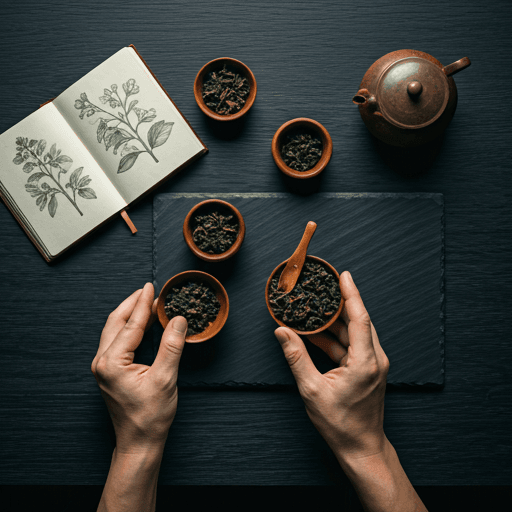
Burdock root tea is a caffeine-free herbal brew made from the long taproot of the burdock plant (Arctium lappa), the same earthy vegetable that East Asian cooks know as gobo. It tastes earthy and mildly sweet, somewhere between a mild artichoke, dandelion and a woody carrot, and it has been used for centuries in both Western and East Asian folk traditions as a "cleansing" tonic. This guide explains what the root is, what burdock tea actually tastes like, what the evidence on benefits really supports, the safety caveats worth taking seriously, and how to brew a good cup at home.
A quick note up front: this is general information, not medical advice. Burdock is a pleasant beverage, not a medicine, and a few people genuinely should be careful with it. We will be honest about both the appeal and the cautions.
What burdock root tea is (and why it is called gobo)
Burdock is a tall biennial weed in the daisy family (Asteraceae), recognizable by its broad leaves and the burrs that cling to clothing and animal fur. The part that matters here is the slender, dark taproot, which can grow a meter or more into the soil. In Japan, Korea and parts of China that root is a common vegetable, stir-fried, simmered and pickled, and it goes by the Japanese name gobo. So gobo tea and burdock tea are the same thing, just named from a culinary versus a herbal point of view.
To make the tea, the root is cleaned, sliced or shredded, and usually dried; sometimes it is lightly roasted, which deepens the flavor and is common in Japanese-style gobo tea. Like dandelion and chicory, it belongs to the broad family of caffeine-free herbal infusions that do not come from the true tea plant, Camellia sinensis. If you are new to that distinction, our guide to what herbal tea is is a good starting point.
What burdock root tea tastes like
The flavor is genuinely pleasant and unusual. Expect an earthy, rooty base with a clean, mild sweetness and a faint nuttiness, especially in roasted gobo tea. People often compare it to a cross between a mild artichoke, dandelion root and a woody carrot, with none of the harsh bitterness of coffee. It is light-bodied, amber to brown in the cup, and easy to drink plain. Because it is naturally caffeine-free, it suits any time of day, including the evening.
Burdock root tea benefits: what the evidence actually supports
This is where careful language matters. Burdock has a deep traditional record, and modern researchers have catalogued several interesting compounds in the root, but most studies are still in test tubes or animals rather than large human trials. With that caveat front and center, here are the most-discussed potential burdock root tea benefits, framed honestly.
A prebiotic root rich in inulin
The most concrete thing about burdock is that the root is a notable source of inulin, a prebiotic fiber that feeds the beneficial bacteria in your gut. Inulin makes up a meaningful share of the dried root, and prebiotic fibers are generally associated with digestive comfort and a healthier gut microbiome. A long-brewed root decoction carries more of these water-soluble compounds than a quick steep, which is one reason traditional preparations simmer the root.
Antioxidant compounds and signature lignans
Burdock contains phenolic acids and antioxidants, plus signature lignans called arctiin and arctigenin that draw most of the modern research interest. In laboratory studies these compounds show antioxidant and anti-inflammatory activity, which may help explain burdock's traditional reputation. The important distinction: "shows activity in a lab dish" is not the same as "improves health when you drink the tea." Treat the antioxidant story as a reason for genuine interest, not a promise. For the wider picture of how this works across infusions, see our explainer on antioxidants in tea.
Traditional "blood-purifying" and skin uses
In both Western herbalism and traditional East Asian practice, burdock has long been used as a folk "blood purifier" and a tonic for blemish-prone skin, often alongside other bitter roots. This is traditional use, not proven medicine. Some early studies have looked at burdock and skin, but the human evidence is limited, so it is best described as "traditionally used for" rather than anything stronger. There is no good reason to think of burdock tea as a detox or a cure for anything.
Naturally caffeine-free
One clear, uncomplicated benefit: burdock tea contains no caffeine at all. That makes it a useful choice for an evening drink or for anyone cutting back on caffeine who still wants a warm, characterful cup. It pairs naturally with other gentle, caffeine-free brews such as dandelion tea, its close relative in both flavor and folk use.
Bottom line on benefits: burdock root tea is a pleasant, caffeine-free drink with a real prebiotic fiber in inulin, interesting antioxidant compounds, and a long traditional record. The wellness upsides are best described as "may support" and "is traditionally used," not proven by robust human trials.
Burdock root tea at a glance
| Aspect | What to know |
|---|---|
| Plant | Burdock, Arctium lappa, in the daisy (Asteraceae) family |
| Also called | Gobo (the Japanese vegetable name); gobo tea, burdock tea |
| Part used | The long taproot, dried and often lightly roasted |
| Caffeine | None - naturally caffeine-free |
| Flavor | Earthy, mildly sweet, nutty; like mild artichoke meets woody carrot |
| Key compounds | Inulin (prebiotic fiber), phenolic antioxidants, lignans (arctiin, arctigenin) |
| Traditional use | Folk "cleansing"/blood-purifying tonic and skin support; digestive bitter |
| Main cautions | Daisy-family allergy, mild diuretic, blood sugar, pregnancy, sourcing |
Safety: who should be cautious with burdock root tea
Because this is a health-adjacent drink, the cautions matter as much as the benefits. None of these are obscure edge cases; they are the standard, well-documented concerns. If any apply to you, talk to a doctor or pharmacist before drinking burdock regularly.
- Daisy-family (Asteraceae) allergy. Burdock is botanically related to ragweed, chrysanthemums, daisies and marigolds. People sensitive to those plants may react to burdock, so if you have ragweed hay fever or similar allergies, be cautious.
- It is a mild diuretic. Burdock can modestly increase urine output. On its own this is gentle, but combined with prescription "water pills" it could add to fluid and electrolyte loss.
- It may lower blood sugar. Some research suggests burdock may have a blood-sugar-lowering effect. If you take diabetes medication, this could compound the effect, so monitor carefully and check with your clinician.
- Possible interactions with blood thinners and diuretics. Because of its diuretic action and other compounds, burdock may interact with anticoagulant, antiplatelet and diuretic medications.
- Pregnancy and breastfeeding. Burdock is generally advised to be avoided during pregnancy and breastfeeding, as there is not enough reliable safety data.
- Sourcing matters. Use only clearly identified, culinary or food-grade burdock from a reputable supplier. Wild burdock root can be confused with the toxic lookalike belladonna (deadly nightshade), so this is not a plant to forage casually.
- General. Because of the inulin, some people notice mild gas or bloating, especially when first trying it or drinking a strong brew.
To be clear: for most healthy adults, a cup of well-sourced burdock tea is a low-risk, enjoyable drink. The cautions above are about specific situations, not a warning against the tea in general.
How to make burdock root tea at home
There are two easy routes: a quick steep with a tea bag, or a longer simmer (a decoction) that pulls more from the dense, fibrous root. The simmer is the traditional method and gives a fuller, slightly sweeter cup. The same brewing instincts in our guide to making tea apply here.
Simmered (decoction) method
- Use about a tablespoon of dried, sliced or shredded burdock root per cup (250 ml) of water.
- Add the root to a pot of cold water and bring it to a gentle boil.
- Reduce the heat and simmer, partly covered, for 10 to 15 minutes. Longer gives a stronger, earthier, sweeter brew.
- Strain into a cup and drink plain, or soften it with a little honey, lemon or ginger.
Quick tea-bag or steep method
- Place a burdock tea bag or a teaspoon of finely cut root in a cup.
- Pour over just-boiled water.
- Steep 5 to 10 minutes, longer than you would for green or black tea, since the root releases its flavor slowly.
- Strain if loose, and adjust strength to taste.
| Tip | Why it helps |
|---|---|
| Simmer, do not just steep | The dense root gives up inulin and flavor better in hot water over time |
| Try roasted gobo | Light roasting adds a nutty, deeper, slightly sweeter character |
| Blend with ginger or dandelion | Adds warmth or bitterness and rounds out the earthy base |
| Start mild | A shorter brew lets you gauge taste and tolerance before going stronger |
How burdock fits the wider herbal world
Burdock sits comfortably among the earthy, root-based caffeine-free brews, right next to chicory and its near-twin dandelion, both of which share that bitter-sweet, coffee-adjacent character. If you enjoy burdock, those are the natural next cups to try, and there is plenty more to discover across the world of herbal infusions.
Drink burdock root tea because you like the clean, earthy, mildly sweet character and want a caffeine-free option with a long and genuine tradition behind it, not because of any miracle promise. The folk record is real and the compounds are interesting, but the science is still early. Brew a cup, see how it sits with you, keep your expectations grounded, and check with a professional first if you are pregnant, on medication, or managing a health condition.