
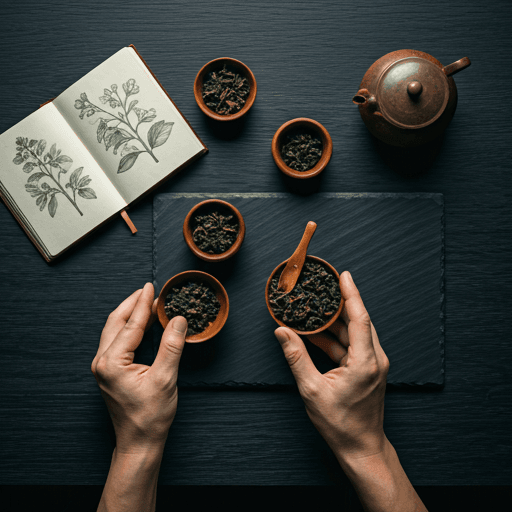
Dandelion tea is a caffeine-free herbal infusion made from the leaves, flowers or roots of the common dandelion (Taraxacum officinale) — the same bright yellow plant that pops up in lawns worldwide. People drink it for digestion, as a gentle diuretic, and increasingly as a coffee-like roasted-root brew. The honest answer on benefits: there is a long tradition of use and a growing body of laboratory and animal research, but human clinical evidence is still limited. So we frame the upsides as "may" rather than "does," and we take the safety caveats seriously.
This guide explains what dandelion tea is, the evidence-based possible benefits of dandelion tea, who should be cautious, and how to brew it. It is general information, not medical advice — talk to a doctor before using dandelion regularly, especially if you take medication.
What dandelion tea is (and the two main styles)
Every part of the dandelion is edible, and different parts give very different drinks. There are two broad styles worth knowing before we talk benefits, because the research and the flavor differ.
| Style | Part used | Taste | Often called |
|---|---|---|---|
| Leaf (and flower) tea | Dried leaves or flowers | Leaf is earthy and astringent; flower is mild, faintly sweet | "Dandelion tea" |
| Roasted-root brew | Dried, roasted roots | Bold, smoky, nutty, bitter — reminiscent of coffee | "Dandelion coffee" or "dandelion root tea" |
The roasted root is what gets marketed as a caffeine-free coffee substitute. It looks dark, smells roasty, and has a rich bitter edge that genuinely echoes coffee — though it does not taste exactly like the real thing. Both styles are naturally caffeine-free, which is a big part of the appeal for people cutting back on caffeine. If that is your goal, our guide to caffeine and our decaf coffee explainer are useful companions.
Dandelion tea benefits: what the evidence actually supports
Here is where careful language matters. Dandelion has been used in traditional European, Middle Eastern and East Asian herbal practice for centuries, and modern researchers have catalogued a range of active compounds. But most studies are still in test tubes (in vitro) or animals, not large human trials. With that caveat front and center, these are the most-discussed potential benefits to dandelion tea.
A gentle, traditional diuretic effect
The best-known benefit of drinking dandelion tea is its mild diuretic action — it may modestly increase urine output. A small human study of a dandelion leaf extract reported an increase in urination over the course of a day, which lines up with the plant's long folk reputation as a "water remover." The effect appears real but gentle, and it is part of why dandelion is often grouped with herbs people reach for when they feel bloated. It is not a treatment for any medical condition.
Possible support for digestion
In traditional use, the bitter compounds in dandelion (notably sesquiterpene lactones such as taraxacin) are thought to stimulate bile flow and stomach secretions, which is the basis for the claim that dandelion may aid digestion. Early human reports describe improved subjective digestion, and the root also contains inulin, a prebiotic fiber that feeds gut bacteria. The mechanism is plausible and the tradition is long, but the human evidence is preliminary.
Antioxidant and anti-inflammatory compounds
Dandelion is rich in bioactive constituents — triterpenes (including taraxasterol), phenolic acids and flavonoids — that show antioxidant and anti-inflammatory activity in laboratory studies. A 2021 review summarized this growing literature. These compounds are why dandelion keeps appearing in research, but "shows activity in a lab dish" is not the same as "improves health when you drink the tea." Treat antioxidant claims as a reason for interest, not a promise.
Interest in liver health
Several preclinical studies — mostly in rodents — report that dandelion root extract may help protect the liver against damage from toxic agents such as alcohol, paracetamol and carbon tetrachloride, with taraxasterol cited as a likely active compound. This is genuinely interesting and is the basis for a lot of "liver detox" marketing. It is also where overclaiming is rampant. The studies are animal and cell models; researchers themselves stress that human clinical trials are still needed before any liver claim can be made. Dandelion tea is not a detox treatment and will not "cleanse" a healthy liver.
Early interest in blood sugar
Some laboratory and animal work has looked at whether dandelion compounds influence blood sugar regulation. This is an active area of curiosity, but it is early-stage and not a reason to change any diabetes management. If you take blood-sugar medication, see the cautions below.
Bottom line on benefits: dandelion tea is a pleasant, caffeine-free herbal drink with promising compounds and a deep traditional record. The benefits of dandelion tea are best described as "may help" — supported by tradition and early science, not yet proven by robust human trials.
Benefits of drinking dandelion root tea vs leaf tea
People often ask whether the benefits of drinking dandelion root tea differ from the leaf version. Broadly, the root is richer in inulin (the prebiotic fiber) and is the focus of most of the liver and digestion research, while the leaf is the part most associated with the diuretic effect and is higher in certain vitamins and minerals. In practice, many commercial blends combine both. Choose based on flavor as much as anything: leaf for a lighter, grassy cup; roasted root for a coffee-like, full-bodied cup.
Who should be cautious — the real caveats
This is health-adjacent, so the cautions matter as much as the benefits. None of the following is rare-edge-case hand-waving — these are the standard, well-documented concerns.
- Daisy-family (Asteraceae) allergy. Dandelion belongs to the same botanical family as ragweed, marigold, chrysanthemum and mugwort. People sensitive to those plants may react to dandelion with skin rash or respiratory symptoms; studies of dandelion-pollen-sensitive patients show frequent cross-reactivity with ragweed and mugwort. If you have hay fever to ragweed, be cautious.
- Diuretic medications. Because dandelion has its own mild diuretic effect, combining it with prescription "water pills" could compound fluid and electrolyte loss.
- Lithium. By increasing urine output, dandelion can affect how the kidneys clear lithium, potentially changing blood levels of this medication. This is a recognized interaction to take seriously.
- Blood thinners and antiplatelet drugs. There are theoretical interactions with anticoagulant and antiplatelet medications.
- Diabetes medication. Given the early interest in blood-sugar effects, there is a theoretical risk of additive effects with antidiabetes drugs — monitor and ask your doctor.
- Pregnancy and breastfeeding. There is little reliable safety data for dandelion in amounts larger than you would get from food, so caution is advised.
- General. The most common reported side effects are mild digestive upset, increased urination and allergic reactions.
If you take any prescription medication or have a chronic condition, the safest move is to check with a healthcare professional before drinking dandelion tea regularly. We are a coffee and tea culture publication, not a medical source.
How to make dandelion tea at home
Both styles are simple to brew. Always source dandelion from a clean, pesticide-free, lead-free area if foraging — many people prefer to buy dried, food-grade dandelion to avoid contamination.
Leaf or flower tea
- Use roughly a tablespoon of dried dandelion leaf (or fresh, well-washed leaves) per cup.
- Pour just-boiled water over the leaves.
- Steep 3 to 5 minutes, longer for a stronger, more bitter cup.
- Strain and drink plain, or soften the bitterness with a little honey or lemon.
Roasted-root "dandelion coffee"
- Clean and chop dandelion roots, then roast on a low oven (around 200 to 250°F / 95 to 120°C) until dark golden brown and aromatic — this can take a couple of hours. (Pre-roasted root tea only needs a few minutes to refresh.)
- Add the roasted, ground root to a strainer or tea bag, about a tablespoon per cup.
- Pour boiling water over and steep 3 to 5 minutes.
- Drink it black for a coffee-like cup, or add milk or a plant-based creamer as you would with coffee.
How dandelion tea fits the wider herbal world
Dandelion sits comfortably alongside the other caffeine-free herbal "teas" — none of which come from the true tea plant, Camellia sinensis. If you enjoy dandelion, you will likely enjoy exploring our broader herbal tea guide, and gentle, evidence-discussed brews like chamomile and ginger tea. To understand how all these compare with true teas, our types of tea explained overview is the best starting point.
Drink dandelion tea because you like the earthy, bitter, slightly coffee-like character and want a caffeine-free option — not because of any miracle promise. The tradition is real and the science is intriguing, but it remains early. Brew a cup, see how it sits with you, and keep your expectations grounded in the evidence.