
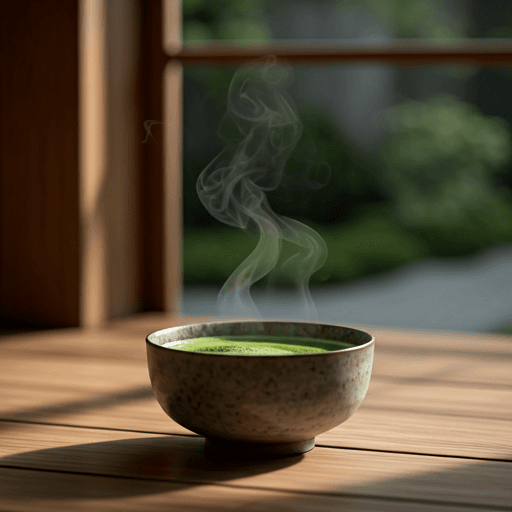
Mint tea is an infusion of mint leaves — most often peppermint or spearmint, or a handful of fresh garden mint — steeped in hot water and, in its simplest form, nothing else. It is usually caffeine-free, valued for a cooling menthol aroma and the soothing, settled feeling a warm cup brings after a meal. Below you will find the main types of mint tea, the benefits it may (and may not) deliver, and exactly how to make fresh mint tea at home, hot or iced.
What Is Mint Tea?
Strictly speaking, mint tea is not a "tea" at all in the botanical sense: true tea comes from the Camellia sinensis plant, while mint tea is an herbal tea — a tisane made by steeping the leaves of a mint plant rather than tea leaves. That is why a plain cup contains no caffeine. The two most common culinary mints are peppermint (Mentha x piperita) and spearmint (Mentha spicata), but "mint tea" is also an umbrella term that stretches to fresh garden mint, dried loose leaf, tea bags, and blends where mint is combined with green or black tea. The flavor of your cup depends almost entirely on which mint, and which form, you reach for.
Types of Mint Tea
Most of what sits on a shelf under the word "mint" is one of four things. Here is how they differ in character.
Peppermint
Peppermint is the sharp, bracing one. A natural hybrid of watermint and spearmint, it carries a high level of menthol — often cited around 40 percent of its essential oil — which gives it that clean, almost cold bite and a lingering fresh finish. It is the go-to for a strong, palate-clearing cup and the most common single-mint tea bag on shelves.
Spearmint
Spearmint is milder, rounder and noticeably sweeter, with far less menthol and a softer, herbaceous character. If peppermint is too intense for you, spearmint is the gentler everyday option, and it is the mint many people recognize from savory cooking. For more on its specific character and traditional uses, see our guide to spearmint tea benefits.
Fresh mint
Fresh mint tea is simply whole mint leaves — often spearmint from the garden or grocery — steeped in just-boiled water. It is the brightest, greenest-tasting version, and the easiest to make if you have a plant on the windowsill. Because you control the leaf, you can steep it as light or as punchy as you like.
Blends and Moroccan-style mint
Mint also loves company. It is folded into countless herbal mixes and, most famously, into Maghrebi mint tea, where fresh spearmint is combined with gunpowder green tea and plenty of sugar. That green tea base means a Moroccan-style cup is not caffeine-free, unlike a plain mint infusion. The full ritual — the high pour, the sweetness, the little glasses — is its own tradition, covered in the Maghrebi Moroccan mint tea guide. Still deciding between the two base mints? Our peppermint vs spearmint tea comparison breaks down flavor, menthol and best uses side by side.
| Mint type | Flavor | Best for |
|---|---|---|
| Peppermint | Sharp, cooling, high menthol | A strong, palate-clearing cup; after a heavy dinner |
| Spearmint | Mild, sweet, low menthol | Gentle everyday sipping; anyone who finds peppermint too intense |
| Fresh mint | Bright, green, garden-fresh | Homemade cups from a live plant; iced mint tea |
| Moroccan-style (mint + green tea) | Sweet, minty, lightly tannic | A traditional, caffeinated, sweetened ritual |
Mint Tea Benefits: What It May Do
Mint has been brewed as a home remedy for centuries, and modern interest tends to cluster around a few areas. It is worth being clear up front: mint tea is a pleasant, low-risk drink rather than a medicine, and the evidence behind its benefits is a mix of long tradition and limited, often small studies — the tea itself has rarely been studied directly, though peppermint extracts have. Treat the points below as "may help," not guarantees, and see a doctor for persistent symptoms.
Digestion and bloating
The most established use is digestive. Peppermint in particular is traditionally used to ease an unsettled stomach, gas and bloating, and its menthol is thought to have a relaxing effect on the smooth muscle of the digestive tract. A warm, unsweetened cup after a heavy meal is a time-honored ritual for exactly this reason. The stronger clinical evidence sits with peppermint oil — a concentrated extract, not the tea — so a cup is best seen as a gentle, comforting version of the same idea.
Fresher breath and a clearer feel
The same menthol that makes mint smell clean can leave your mouth feeling fresher, which is why mint is a fixture in gums and toothpastes. Many people also reach for a steamy cup of peppermint tea when they feel stuffy or congested, finding that the aroma temporarily seems to open things up — soothing rather than curing.
A calm, caffeine-free moment
Perhaps the most reliable mint tea benefit is the simplest: because a plain cup has no caffeine, it is an easy choice in the evening or any time you want a warm drink without a stimulant. The small ritual of brewing and slowly sipping something aromatic is calming in itself, which makes mint a popular wind-down alternative to coffee or black tea.
How to Make Mint Tea
Making mint tea takes about ten minutes and needs nothing more than mint and hot water. Here is the simple method for a fresh cup, plus notes for dried leaf, tea bags and iced versions.
How to make fresh mint tea
- Use a generous handful of leaves. About 10 to 15 fresh mint leaves (or one small sprig) per cup. Rinse them, and gently press or tear the leaves to release more of their aromatic oils.
- Heat the water. Bring water to a boil, then let it settle for a few seconds. Fresh mint is delicate, so water just off a rolling boil is ideal.
- Steep, covered, 5 to 10 minutes. Pour the hot water over the leaves and cover the cup or pot. Covering traps the aromatic oils that would otherwise escape with the steam. Five minutes gives a light cup; closer to ten gives a bolder, mintier one.
- Strain and serve. Remove or strain out the leaves so the tea does not turn grassy or bitter, then sip it as is or add a touch of honey and a squeeze of lemon.
Dried mint and tea bags
For dried loose leaf, use about one teaspoon per cup and steep 5 to 7 minutes, covered. A mint tea bag is the fastest route of all — steep 3 to 5 minutes to taste. Dried mint is more concentrated than fresh, so start light and adjust upward.
Iced mint tea
Brew a stronger-than-usual batch (use extra leaves, since ice dilutes it), let it cool, then pour it over ice with lemon and a few fresh sprigs. You can also cold-brew it: combine mint leaves with cold water and refrigerate for several hours for a smooth, mellow, low-bitterness result.
A few tips carry across every method: keep it unsweetened if you are drinking it for digestion, do not oversteep fresh leaves (bitterness creeps in past ten minutes or so), and remember that mint plays nicely with other herbs — ginger, lemongrass and chamomile all blend well with it.
Cautions: Who Should Be Careful
Mint tea is very safe for most people, but a few caveats are worth knowing:
- Acid reflux and heartburn. Peppermint's menthol can relax the valve between the stomach and esophagus, which may worsen reflux or heartburn in people prone to it. Clinical guidance often lists peppermint as one to avoid in reflux disease; if that is you, spearmint or a non-mint herbal tea may sit better.
- Allergies. An allergy to plants in the mint (Lamiaceae) family is uncommon but possible; stop drinking it if you notice a reaction.
- Infants, pregnancy and existing conditions. Strong, menthol-heavy peppermint is generally avoided for babies. When in doubt — or if you are pregnant, nursing or managing a health condition — check with a doctor first.
None of this is medical advice; it is simply the sensible fine print behind an otherwise gentle, everyday drink.
The Bottom Line
Mint tea earns its place in the cupboard by being genuinely easy: a caffeine-free, aromatic cup you can brew from a supermarket tea bag or a plant on the windowsill in under ten minutes. Choose peppermint when you want a sharp, cooling hit, spearmint when you want something softer and sweeter, and a Moroccan-style blend when you want the caffeine and sugar of a real ritual. Whatever the leaf, the reward is the same — a warm, minty moment that asks almost nothing of you.