
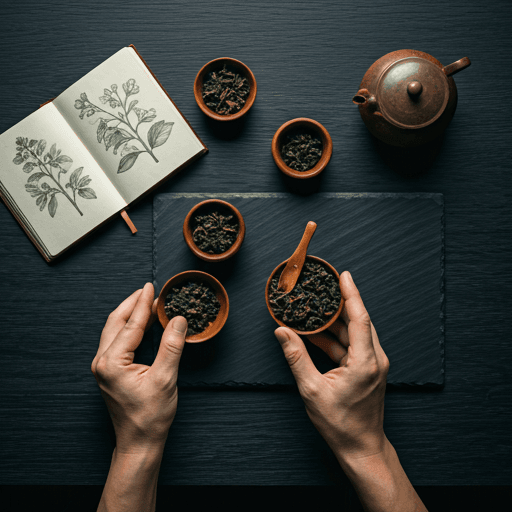
Spearmint tea is a caffeine-free herbal infusion made from the leaves of Mentha spicata, the same fragrant mint you find in chewing gum and toothpaste. It is one of the gentlest tisanes you can brew: naturally sweet, calorie-free, and traditionally used to settle the stomach and freshen the breath. In recent years it has drawn extra attention for a more unusual reason, a small body of research suggesting it may have a mild anti-androgen effect. This guide explains what the evidence actually shows, who it might help, and exactly how to make a good cup.
A quick note before we start: this is editorial, evidence-based information, not medical advice. Where the science is preliminary, we say so.
What is spearmint tea?
Spearmint tea is a herbal tea, or more precisely a tisane, because it contains no leaves from the true tea plant, Camellia sinensis. Instead it is an infusion of spearmint leaves, fresh or dried. That distinction matters for one practical reason: it is completely caffeine-free, so you can drink it in the evening without it affecting your sleep.
Spearmint is a close cousin of peppermint, and the two are easy to confuse. Spearmint is milder and sweeter, with a softer, almost grassy character, while peppermint is sharper and more cooling thanks to its high menthol content. If you want a full side-by-side on flavour, chemistry and best uses, see our dedicated peppermint vs spearmint tea comparison. Here we focus on spearmint on its own, its benefits and how to brew it.
You may also see it written as "spear mint tea" or sold as "spearmint leaf tea." These all refer to the same thing: an infusion of Mentha spicata.
Spearmint tea benefits: what the evidence says
The honest headline on spearmint tea benefits is that some uses are well established by tradition and small studies, while others are promising but still early. Here is a measured tour, strongest evidence first.
It is caffeine-free and easy on the body
This sounds modest, but it is genuinely useful. Because spearmint contains no caffeine, it is a good choice for people who want a warm, flavourful drink late in the day, or who are cutting back on coffee and black tea. It is generally very well tolerated, which is part of why it appears so often in bedtime and after-dinner blends. If you are exploring caffeine-free options more broadly, our herbal tea guide covers the wider family.
It may soothe digestion and bloating
Spearmint has a long traditional use as a digestive soother, and there is some plausible mechanism behind it. Spearmint contains a compound called carvone, which in lab studies appears to relax the smooth muscle of the digestive tract. That kind of antispasmodic action is the reason mint, in general, is reached for after a heavy meal. One small randomised study in people with irritable bowel syndrome found that a spearmint-containing supplement was associated with less abdominal discomfort and bloating than a placebo. The study was small and used a supplement rather than a cup of tea, so it is best read as supportive rather than conclusive. Still, as a gentle after-dinner drink for occasional bloating or a slightly unsettled stomach, spearmint tea has a reasonable claim.
It freshens the breath
This is the least surprising benefit. Spearmint is one of the most common flavours in gum and mouthwash for a reason: its aroma is clean and lingering. A cup after a strongly flavoured meal is a pleasant, low-effort way to freshen up.
The anti-androgen effect: real research, but limited
This is the benefit that has made spearmint tea genuinely popular online, and it deserves careful framing. Androgens are a group of hormones, including testosterone, that everyone produces. When they run high in women, they can contribute to symptoms such as hormonal acne and excess facial or body hair (hirsutism), both of which are common in polycystic ovary syndrome (PCOS).
A handful of small human studies have looked at whether spearmint tea can gently lower androgen levels. In the most-cited trial, a randomised controlled study, a small group of women with PCOS drank spearmint tea twice a day for a month and showed measurably lower free testosterone compared with a placebo group. A separate small study reported that participants felt their facial hair had improved over a similar period.
So what should you take from this? A few honest points:
- The effect is plausible and the early results are encouraging.
- The evidence comes from small, short studies (dozens of participants over weeks, not large long-term trials). No one has tracked what happens over six months or a year.
- Hormonal changes are slow. Acne, which turns over with skin cells, tends to respond faster than hair growth, which follows long cycles. If you try spearmint tea for these reasons, give it consistent daily use over a couple of months before judging.
- It is a gentle, supportive measure, not a treatment. It will not replace medical care for PCOS or a persistent skin or hormone concern.
In short, the anti-androgen story is one of the more interesting effects of spearmint tea, but it should be described as "may help, on limited evidence," never as a cure.
Early-stage benefits worth a smaller mention
Researchers have also looked at spearmint for working memory and focus, mostly using concentrated extracts rather than ordinary tea, and at blood sugar, so far mainly in animal studies. These are interesting leads, but they are not strong enough to claim as benefits of a regular cup of tea. Treat them as "watch this space," not as reasons to drink it.
Effects of spearmint tea: who should take care
Spearmint tea is generally considered safe and well tolerated in normal amounts you would drink as a beverage. That said, a few people should be more cautious, and the right move is simply to check with a doctor:
- Pregnant or breastfeeding: because spearmint can influence hormones, it is sensible to ask a healthcare professional before drinking it regularly.
- On medication or managing a hormone-related condition: if you take hormonal medication or are treating PCOS, thyroid issues or similar, mention spearmint tea to your doctor rather than self-prescribing large daily amounts.
- Acid reflux: mint can relax the valve at the top of the stomach, which occasionally worsens reflux for some people.
The effects of spearmint tea in a few cups a day are mild for most people. None of this is a reason for the average person to avoid it; it is just a reminder that "herbal" does not automatically mean "no effect on the body."
How to make spearmint tea
The good news is that spearmint is one of the easiest infusions to get right. You can use fresh leaves straight from a plant or dried leaves and tea bags. Because mint is delicate, you do not need to keep the water at a rolling boil, and over-steeping mostly just makes it a little more bitter rather than ruining it.
From fresh spearmint leaves
You will need:
- A generous handful of fresh spearmint leaves (about 10 to 15 leaves per cup)
- Hot water, just off the boil
- Optional: a little honey, a slice of lemon
Method:
- Rinse the leaves and tear or lightly bruise them to release the aroma.
- Put them in a cup or small teapot and pour over hot water that has come off the boil.
- Cover and steep for 5 to 10 minutes. Longer gives a stronger, slightly more bitter cup.
- Strain, taste, and sweeten only if you want to. Good spearmint is naturally sweet enough that many people skip it.
From dried leaves or a tea bag
You will need:
- 1 to 2 teaspoons of dried spearmint leaves, or one tea bag, per cup
- Freshly boiled water, allowed to settle for about 30 seconds
Method:
- Add the dried leaves to a cup or infuser, or drop in the tea bag.
- Pour over the hot water.
- Steep 5 to 7 minutes, covered if you can, to keep the aromatic oils in the cup rather than the air.
- Remove the leaves or bag and enjoy. For iced spearmint tea, brew it a little stronger, then pour over ice or chill it.
Quick brewing reference
| Form | Amount per cup | Water | Steep time |
|---|---|---|---|
| Fresh leaves | 10 to 15 leaves | Just off the boil | 5 to 10 min |
| Dried leaves | 1 to 2 tsp | Boiled, settled briefly | 5 to 7 min |
| Tea bag | 1 bag | Boiled, settled briefly | 5 to 7 min |
If you want to brew loose spearmint properly with the right tools, our walkthrough on how to brew loose-leaf tea applies neatly to mint and other herbs.
Tips for the best cup
- Cover while steeping. Spearmint's character lives in volatile aromatic oils. A lid keeps them in the cup.
- Do not over-boil fresh leaves. Pouring very hot water over them is enough; boiling them hard can flatten the flavour.
- Go fresh when you can. Spearmint grows easily, even in a pot on a windowsill, and a few fresh leaves make a brighter cup than anything from a bag.
- Blend it. Spearmint pairs beautifully with lemon, ginger, green tea or chamomile. If you enjoy calming evening teas, see our notes on chamomile tea.
The bottom line
Spearmint tea is a lovely everyday drink first and a wellness curiosity second. It is caffeine-free, naturally sweet, kind to most stomachs, and pleasant any time of day. Its traditional role as a digestive soother is well earned, and the small studies on its anti-androgen effect are genuinely interesting, as long as you read them as early, limited evidence rather than a promise. Brew it gently and drink it for the pleasure of it, and treat the hormone research as an encouraging extra rather than the reason to reach for the kettle. If you want to keep exploring caffeine-free leaves and infusions, the wider tea world has plenty more worth a wander.