
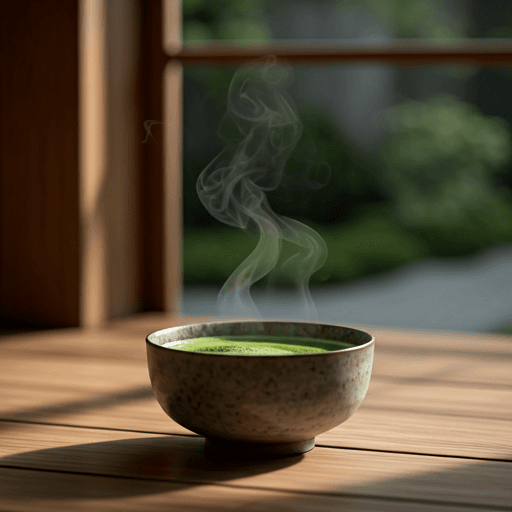
Milk thistle tea is a caffeine-free herbal infusion made mainly from the crushed seeds, and sometimes the leaves, of Silybum marianum, a spiny, purple-flowered plant in the daisy family. Its best-known component is a cluster of plant antioxidants collectively called silymarin, which traditional herbalism has long linked to liver and digestive support. As a drink it is mild and earthy, and it is worth understanding what it may and may not do before you make it a daily habit.
Below is a balanced look at what milk thistle tea actually is, how it tastes, the possible benefits people reach for it for, how to brew it properly, and, just as importantly, who should be cautious. Nothing here is medical advice, and none of it replaces a conversation with a qualified health professional.
What Is Milk Thistle Tea?
Silybum marianum has been used in Mediterranean and European folk traditions for a very long time. Its active complex, silymarin, is a group of flavonolignans (silibinin is the most studied of them) that is concentrated in the seeds rather than the leaves or the striking purple flower heads. That is why most good-quality milk thistle tea is made from ground or crushed seeds: the part of the plant that carries the compound people are actually interested in.
Like chamomile, peppermint and rooibos, milk thistle belongs to the broad world of caffeine-free botanicals you will find in any well-stocked herbal tea collection. Because it contains no Camellia sinensis, the true tea plant behind green, black and oolong tea, it is naturally caffeine-free and can be enjoyed in the evening without affecting sleep.
What Does Milk Thistle Tea Taste Like?
Mild, earthy and gently nutty, with only a faint bitterness. Milk thistle tea is subtle rather than aromatic, closer to a light, savory-sweet seed infusion than a bold, perfumed cup. That gentleness is part of the appeal, and it also makes the tea easy to build on: many people round it out with a slice of lemon, a little honey, or a complementary botanical such as peppermint, ginger or dandelion root. On its own it is quiet and unobtrusive, which suits it well as a wind-down drink.
Possible Milk Thistle Tea Benefits
This is where balance matters most. Most of the interest in milk thistle centers on silymarin, which laboratory studies suggest may act as an antioxidant and help protect cells from certain kinds of oxidative stress. Crucially, though, much of that research uses concentrated extracts and standardized silymarin rather than a steeped cup of tea, so the findings do not translate directly to what ends up in your mug. Keep that gap in mind whenever you read a bold claim about milk thistle tea benefits.
The liver connection
Milk thistle is most famously associated with the liver. Traditionally it has been used to "support" liver and gallbladder function, and silymarin is studied for antioxidant activity in liver cells. That said, the human evidence is limited and mixed, and health authorities generally describe the overall results as inconclusive. Milk thistle tea is not a treatment or a cure for any liver condition. If liver health is your specific reason for drinking it, that is exactly the kind of thing to raise with a doctor first. Coffee drinkers sometimes ask how their morning cup fits into the same picture, which is a separate topic we cover in our look at coffee and liver health.
Digestion and everyday wellness
In folk practice, milk thistle has also been taken to ease digestion and support the gallbladder, and some people find a warm cup after a heavy meal simply feels settling. Effects like these vary a great deal from person to person and are largely traditional rather than firmly proven. Plenty of drinkers reach for it for the most straightforward reason of all: it is a soothing, caffeine-free ritual, and that is a perfectly good use on its own.
The silymarin-solubility catch
One honest caveat runs through everything above: silymarin is poorly soluble in water. That means a steeped cup, even one marketed as a silymarin tea, delivers far less of the active compound than a capsule or standardized extract would. Lightly crushing the seeds and steeping longer helps a little, but tea is best thought of as a gentle, low-dose way to enjoy the plant, not a way to load up on silymarin. If concentrated silymarin is genuinely what you are after, that is a supplement question for a pharmacist or doctor, not a teapot question.
Milk Thistle Tea Benefits and Caveats at a Glance
| What it is traditionally used for | What to keep in mind |
|---|---|
| Liver and gallbladder "support," with silymarin studied as an antioxidant | Human evidence is limited and mixed; it is not a treatment for any condition |
| Easing digestion after a meal | Largely traditional use; effects vary widely from person to person |
| A calming, caffeine-free evening drink | Naturally caffeine-free, which is a reliable, low-risk everyday benefit |
| An antioxidant-rich silymarin tea | Silymarin is poorly water-soluble, so tea delivers much less than extracts |
| A gentle wellness ritual | Cautions apply for allergies, pregnancy, diabetes, hormone-sensitive conditions and some medicines |
How to Brew Milk Thistle Tea
Because the compounds of interest sit inside the seeds, technique matters more here than with a delicate leaf tea. The goal is to break the seeds open and give them plenty of time in hot water.
- Crush the seeds. Lightly crush roughly a tablespoon of milk thistle seeds using a mortar and pestle, a spice grinder, or the back of a spoon. Cracking them open exposes far more of the plant than leaving them whole.
- Use about a tablespoon per cup. Add the crushed seeds to a cup or small pot, then adjust the amount up or down on future brews to suit your taste.
- Steep long, and keep it covered. Pour just-off-the-boil water over the seeds and steep for 10 to 15 minutes. Cover the cup or pot while it steeps so the heat and any volatile aromatics stay in rather than escaping as steam.
- Strain and finish. Strain out the seeds, then drink it as is or brighten it with lemon, a spoon of honey, or a complementary herb such as peppermint or ginger.
Pre-bagged milk thistle tea and blended tea bags work the same way; just give them the full, long steep rather than a quick dunk. You can also cold-brew crushed seeds in the fridge for several hours for a smoother, mellower result on a warm day.
Who Should Be Cautious
Milk thistle tea is generally considered well tolerated by most healthy adults, but "generally well tolerated" is not the same as "safe for everyone." Talk to a doctor, pharmacist or qualified herbalist before drinking it regularly if any of the following apply to you.
- Ragweed or daisy-family allergy. Milk thistle is in the same botanical family as ragweed, chrysanthemums, marigolds and daisies, so people sensitive to those plants may react to it.
- Pregnancy and breastfeeding. There is not enough reliable safety data for these stages, so it is best avoided unless a professional who knows your situation advises otherwise.
- Diabetes or blood-sugar management. Milk thistle may lower blood sugar, which could matter if you take glucose-lowering medication, so monitor and check first.
- Hormone-sensitive conditions. Some plant compounds may have mild estrogen-like activity, which is worth flagging to a doctor if you have a hormone-sensitive condition.
- Medication interactions. Milk thistle can affect the liver enzymes that metabolize many common drugs, so if you take prescription medication, confirm it is compatible before making the tea a routine.
None of this means the tea is dangerous for everyone. It means a quick, personalized check is smarter than an assumption, especially if you plan to drink it often.
The Bottom Line
Milk thistle tea is a pleasant, caffeine-free herbal infusion with a long traditional association with liver and digestive support and a genuinely interesting antioxidant compound in silymarin. The honest picture is a modest one: the human evidence is limited and mixed, and because silymarin barely dissolves in water, a cup of tea is a gentle experience rather than a concentrated dose. Enjoy it for what it is, an earthy, soothing, low-risk drink. If you are curious about other botanicals in the same tradition, dandelion is a close cousin worth reading about in our guide to dandelion tea benefits, and if easing inflammation is your real interest, our roundup of the best anti-inflammatory teas is a better starting point than any single miracle cup.