
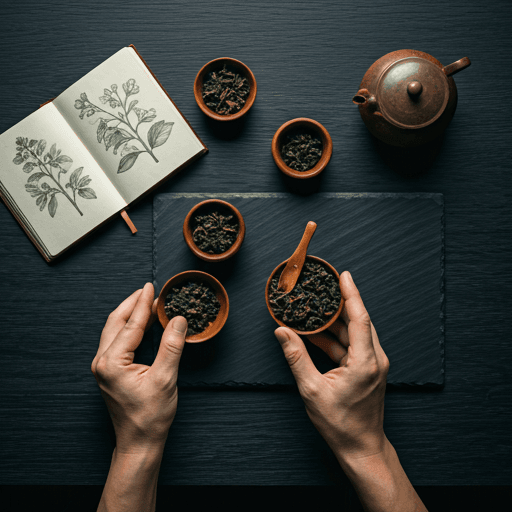
An anti-inflammatory tea is simply a brew rich in plant compounds — catechins, gingerols, curcumin, flavonoids — that some studies suggest may help your body manage inflammation. No single cup is a cure, but a few teas come up again and again in the research, and they happen to taste wonderful too. This guide rounds up the usual suspects, explains why each one is associated with calming inflammation, and shows you how to brew it so those compounds actually survive the kettle.
A quick, honest note before we steep anything: these are enjoyable beverages, not medicine. The framing throughout is deliberately careful — may support, is associated with, some studies suggest — because that is genuinely where the evidence sits. If you have a medical condition, are pregnant, or take any medication, talk to a clinician before leaning on any tea for a health reason. With that said, let's pour.
What makes a tea anti-inflammatory?
The phrase "anti-inflammatory tea" gets used loosely, so it helps to know what it actually points to. Inflammation is your body's normal response to stress or injury; the concern is chronic, low-grade inflammation that lingers. Certain plant compounds — many of them the same antioxidants that give tea its colour and bite — have been studied for how they interact with inflammatory pathways in the body. You will see researchers mention things like NF-κB signalling, COX enzymes and markers such as CRP and IL-6. You do not need to memorise any of that. The practical takeaway is that the teas below are the ones that keep showing up in that literature.
It is worth separating two ideas. One is the antioxidant chemistry of the leaf itself — we cover that in depth in our companion piece on antioxidants in tea. The other is the everyday question this page answers: which teas are most often associated with calming inflammation, and how do you make them taste good? Think of an anti-inflammatory herbal tea as part of an enjoyable daily habit, not a prescription.
The best anti-inflammatory teas, one by one
Here are nine of the most-studied options. For each, you get the flavour, the key compound, and a quick brewing note. Pick the ones you would actually enjoy drinking — consistency beats intensity, and most studies that found any benefit ran their tea regimens for weeks, not days.
Green tea
Green tea is the headline act. It is loaded with catechins, especially EGCG (epigallocatechin gallate), the compound most often cited when people talk about tea and inflammation. Flavour-wise it runs from grassy and savoury (Japanese sencha) to sweet and nutty (Chinese longjing). The single biggest mistake is boiling water: it scorches the leaf and floods your cup with bitterness. Aim for water around 70–80°C (roughly 160–175°F) and steep just 2–3 minutes. For the why behind the leaf, see our guide to green tea benefits.
Ginger tea
Ginger tea is warm, spicy and a little sweet, and it is one of the most reliably soothing things you can sip. Its active compounds, gingerols and shogaols, are the focus of much of the research linking ginger to inflammation. Fresh root makes the best cup: slice or grate a thumb of ginger, simmer it in water for 8–10 minutes, then add lemon or honey to taste. A stronger simmer is fine here — unlike delicate leaves, ginger root wants the heat. Our full method lives in ginger tea benefits and how to make it.
Turmeric ("golden") tea
Turmeric tea, often served as a golden, milky drink, gets its colour and its reputation from curcumin. There is an important practical wrinkle here: curcumin is poorly absorbed on its own. Two things help dramatically — a pinch of black pepper (its piperine is associated with much higher curcumin absorption) and a little fat, since curcumin is fat-soluble. That is exactly why traditional golden milk pairs turmeric with whole milk or coconut milk and a crack of pepper. Simmer gently rather than hard-boil, as high heat can degrade the compound. Ginger tea and turmeric tea make natural partners in the same cup.
Chamomile tea
Chamomile is the gentle, apple-scented classic people reach for to wind down. Its flavonoids — apigenin in particular — are the compounds behind its calming, anti-inflammatory reputation. It is caffeine-free, so it suits the evening. Steep the dried flowers (or a quality bag) in just-off-the-boil water for about 5 minutes, covered if you can, to keep the aromatic oils in the cup.
Hibiscus tea
Hibiscus brews a deep ruby cup that is tart, cranberry-like and refreshing hot or iced. Its anthocyanins — the same pigments that make it red — are the antioxidants most studied here, and some research associates hibiscus with markers of systemic inflammation. It is naturally caffeine-free. Use just-boiled water and steep 5 minutes; it takes sweetening well if the tartness is too sharp.
Rooibos tea
Rooibos, a red bush from South Africa, is naturally sweet, smooth and completely caffeine-free, which makes it an easy any-time choice. Its standout compounds are aspalathin and nothofagin, flavonoids studied for their antioxidant and anti-inflammatory activity. Because there is no caffeine to turn bitter, rooibos is forgiving: use boiling water and steep 5–7 minutes, and a longer steep only deepens the flavour rather than ruining it.
Peppermint tea
Peppermint is crisp, cooling and caffeine-free, best known for settling the stomach. Its menthol and rosmarinic acid are associated with soothing, anti-inflammatory effects, and it is a pleasant, palate-clearing drink any time of day. Steep fresh or dried leaves in just-boiled water for about 5 minutes, covered, to trap the volatile menthol oils that give it that clean finish.
Holy basil (tulsi) tea
Tulsi, or holy basil, is a revered herb native to the Indian subcontinent with a warm, clove-like, slightly peppery taste. It is classed as an adaptogen — herbs associated with helping the body cope with stress — and it carries antioxidant and anti-inflammatory compounds too. Caffeine-free and gently warming, it blends beautifully with ginger or peppermint. Steep the leaves in just-off-the-boil water for 5–7 minutes.
White tea
White tea is the least processed of the true teas from Camellia sinensis, which means it keeps a high level of delicate catechins while tasting soft, floral and subtle. That gentleness is also its rule for brewing: like green tea, it hates a rolling boil. Use water around 75–85°C (about 165–185°F) and steep 4–5 minutes. Treated kindly, it rewards you with one of the most refined cups in the tea world.
How they compare
Use this table to match a tea to your moment — caffeine status matters most if you are sipping in the evening.
| Tea | Key compound | Caffeine | Best for / trade-off |
|---|---|---|---|
| Green tea | Catechins (EGCG) | Yes (moderate) | Daytime daily driver; turns bitter if brewed too hot |
| Ginger tea | Gingerols, shogaols | None | Warming, soothing; spicy bite not for everyone |
| Turmeric tea | Curcumin | None | Golden, rich; needs black pepper + fat to absorb well |
| Chamomile | Apigenin (flavonoids) | None | Evening wind-down; mild, floral flavour |
| Hibiscus | Anthocyanins | None | Tart and iceable; sharp without a little sweetness |
| Rooibos | Aspalathin, nothofagin | None | Any-time, forgiving brew; naturally sweet |
| Peppermint | Menthol, rosmarinic acid | None | Cooling, stomach-settling; very assertive mint |
| Holy basil (tulsi) | Adaptogenic compounds | None | Stress-supportive, clove-like; an acquired note |
| White tea | Catechins | Yes (low) | Subtle and refined; easy to over-steep into nothing |
How to brew for best effect
The compounds you are after are fragile, so technique matters more than you might think. A few simple habits get the most from any anti-inflammatory tea:
- Don't over-boil the delicate ones. Green and white tea want water well below boiling (around 70–85°C). Scalding water extracts bitterness and can degrade catechins. Robust roots and flowers — ginger, hibiscus, rooibos — are happy with hotter water.
- Use fresh, good ingredients. Fresh ginger root beats dried powder for flavour and punch. Buy leaf and flowers from a source with quick turnover; antioxidants fade in stale, light-exposed tea.
- Cover delicate infusions. A lid keeps the aromatic, volatile oils in chamomile, peppermint and tulsi from escaping as steam.
- Pair smartly. Turmeric loves a pinch of black pepper and a little fat (milk works). A squeeze of lemon in green tea is associated with helping its catechins survive digestion.
- Give it time, not intensity. Most studies that found any benefit ran for several weeks of regular drinking. A gentle daily habit beats one heroic mega-strong cup.
How to choose your anti-inflammatory tea
There is no single "best tea for inflammation" — the best one is the one you will happily drink most days. Run through this short checklist:
- Caffeine or not? If you are sipping in the evening, choose a caffeine-free option: chamomile, ginger, turmeric, hibiscus, rooibos, peppermint or tulsi.
- Flavour you actually like. Tart (hibiscus), warming and spicy (ginger, turmeric), grassy (green), gentle and floral (chamomile, white), sweet (rooibos), or cooling (peppermint).
- Hot or iced? Hibiscus and green tea shine over ice; chamomile, ginger and turmeric are cosier hot.
- How fussy do you want to be? Rooibos and ginger are nearly impossible to ruin; green and white tea reward a little care with the kettle.
- Blend if you like. Ginger + turmeric, or tulsi + peppermint, stack flavours and compounds in one comforting cup.
For more on the wider world of caffeine-free infusions — and how a "tea" differs from a true tea — see our explainer on what is herbal tea. Whichever you choose, treat these as a small, pleasurable ritual rather than a remedy. The real win is a cup you look forward to, brewed well, sipped slowly — and if you have any health concern at all, a quick word with a clinician comes first.