
Knowledge Base
Coffee & Tea Guides
Brew better and explore more — buying guides, how-tos, and explainers for every coffee and tea ritual.
Explainer
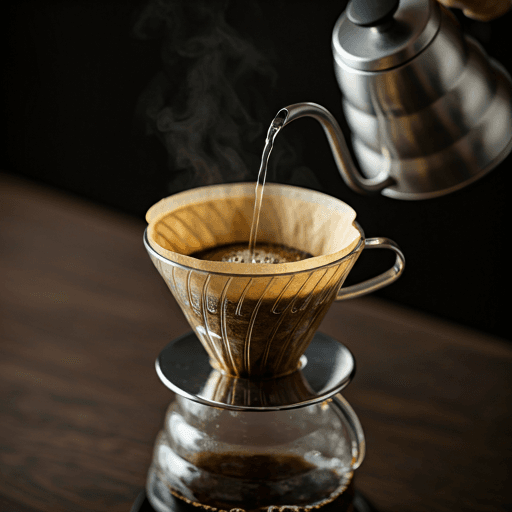
Coffee Complexity, Explained
Coffee complexity is how many distinct flavors and aromas a cup reveals and how they layer and evolve from first sip to finish. Here is what makes a coffee complex, how it differs from strength, balance and body, and how to slow down and taste for it.
Explainer
Chemex vs French Press: What's the Difference?
A Chemex drips through thick paper for a clean, bright cup; a French press steeps and presses through metal mesh for a bold, full-bodied one. Here's how the two brewers differ and which to choose.
Explainer
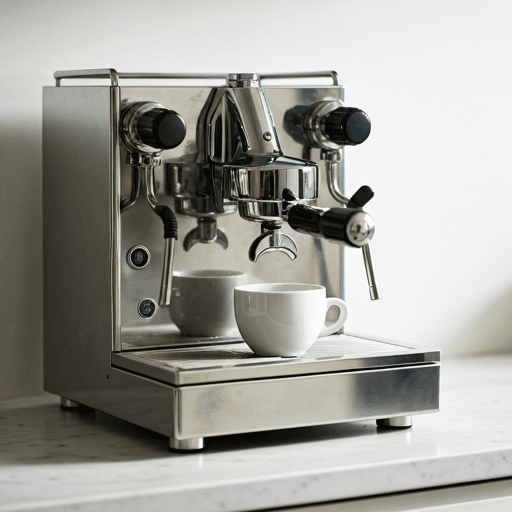
AeroPress vs V60: What's the Difference?
AeroPress and V60 both filter through paper for a clean cup, but they brew in opposite ways. Here's how immersion-plus-pressure stacks up against a gravity pour-over — on taste, body, strength, control and portability — so you can pick the right brewer for your morning.
Explainer
What Is Espresso con Panna?
Espresso con panna is a shot of espresso topped with a dollop of lightly sweetened whipped cream — a small, semi-sweet Italian drink that sits between a straight shot and a latte. Here is what it is, how it tastes, and how it differs from a macchiato.

Explainer
Cafe au Lait vs Cappuccino: What's the Difference?
A cafe au lait is brewed coffee softened with warm milk and almost no foam; a cappuccino is espresso under a tall, airy foam cap. Here is how the base, foam, strength, size and caffeine compare — and which milky coffee to choose.
Explainer
Breve vs Flat White: What's the Difference?
A breve and a flat white are both espresso with steamed dairy, but a breve uses rich half-and-half while a flat white uses whole milk in a smaller, espresso-forward cup. Here is how they differ in body, foam, size and taste.
Explainer
Affogato vs Latte: What's the Difference?
An affogato is a spoonable espresso-and-ice-cream dessert, while a latte is a milky coffee drink. Here's how they differ in taste, texture, sweetness, caffeine and when to choose each.
Explainer
How Much Rooibos Tea Per Day? A Relaxed Daily Guide
Rooibos is caffeine-free, so there is no real ceiling on how much you can drink. Here is a relaxed, non-medical guide to how much rooibos tea per day makes sense - and why an evening cup is perfectly fine.
Explainer
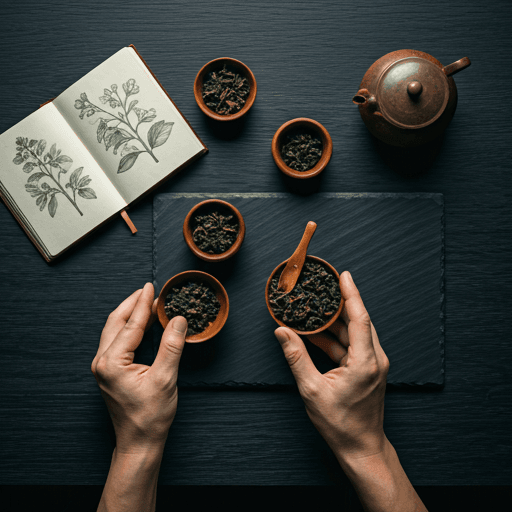
How Much Ginger Tea Per Day? A Simple, Hedged Guide
Wondering how much ginger tea per day is sensible? A hedged, non-medical look at the common 2 to 3 cup guide, a rough ginger amount, why it is caffeine-free, and who should check with a provider.
Explainer
Does Guava Leaf Tea Have Caffeine?
Pure guava leaf tea is caffeine-free — it is brewed from guava-tree leaves, not the tea plant, so there is no caffeine and no buzz. The one exception is a "guava tea" built on green or black tea, so a quick label check is worth it.
Explainer
Does Dandelion Tea Have Caffeine?
Dandelion tea is naturally caffeine-free, whether you brew the roasted root or the leaves — here is why, and how roasted dandelion coffee stacks up against the real thing.
Explainer
Does Turmeric Tea Have Caffeine?
Pure turmeric tea is caffeine-free — it is a herbal root tisane, not a true tea. Here is why it has no caffeine, when a blend or bottled version does, and whether you can sip it at night.
Explainer
Longjing vs Gunpowder: What's the Difference?
Longjing vs gunpowder: both are Chinese green teas, but one is pan-fired flat and nutty-sweet while the other is rolled into smoky pellets. Here is how their shape, taste, brewing and uses compare.
Explainer
Keemun vs Assam: What's the Difference?
Keemun and Assam are both classic black teas, but keemun is a smooth, aromatic Chinese tea while Assam is a bold, malty cup from the Assam region. Here is how their taste, strength, milk and brewing compare.
Explainer
Matcha vs Gyokuro: What's the Difference?
Both are premium shade-grown Japanese green teas, but matcha is a whisked powder you drink whole and gyokuro is a leaf you steep low and strain. Here's how they differ in taste, caffeine and ritual.
Explainer
What Is Shincha (New Tea)?
Shincha is the first flush of Japanese green tea — the season's earliest sencha, sold fresh in spring. Here is what shincha is, how it tastes, and how it differs from standard sencha.
Explainer
What Is Tencha? The Green Tea Leaf That Becomes Matcha
Tencha is the shade-grown Japanese green tea leaf that gets stone-ground into matcha. Here is what tencha is, how it tastes on its own, and how it differs from gyokuro and sencha.
Explainer
AeroPress vs Chemex: What's the Difference?
AeroPress vs Chemex: both filter through paper for a clean cup, but they brew in opposite ways. The AeroPress is a small immersion-plus-pressure brewer that presses a strong, smooth single serving through a paper disc, while the Chemex is a slow gravity pour-over that drips a light, very clean pot through a thick bonded filter. Here's how they compare on taste, body, strength, size, filter, speed and grind.
Explainer
Chemex vs V60: What's the Difference?
Chemex vs V60, compared: both are clean pour-over drippers, but the Chemex's thick bonded filter and glass carafe brew a lighter, tea-like cup, while the ridged Hario V60 pours faster for a brighter, more aromatic result. Here's how filter, flow, grind and capacity differ, and which to pick.
Explainer
AeroPress vs Moka Pot: What's the Difference?
AeroPress and moka pot both make a small, strong cup, but one uses gentle hand pressure and a paper filter while the other relies on stovetop steam and a metal filter. Here's how they differ in taste, strength, and everyday use.
Explainer
What Is a Clean Cup of Coffee? Coffee Clarity, Explained
In specialty coffee a clean cup means clarity, not hygiene: flavors that read distinctly with no muddiness or defects. Here is what shapes cup cleanliness and how to brew a cleaner, more transparent cup.
Explainer
Coffee Balance: What a Balanced Cup Means
In coffee tasting, balance describes how a cup's acidity, sweetness, bitterness and body fit together in proportion, with none overpowering the rest. Here's what a balanced cup tastes like, how to spot imbalance, and how to brew for it.
Explainer
Red Eye vs Black Coffee: What's the Difference?
A red eye is a cup of black coffee with an espresso shot added, making it bolder and higher in caffeine. Here is how red eye and black coffee compare on taste, strength and caffeine.
Explainer
Mocha vs Hot Chocolate: What's the Difference?
The real difference between a mocha and a hot chocolate is coffee: a mocha is a chocolate-flavored espresso drink with caffeine, while a hot chocolate is pure cocoa and milk. Here's how they compare on taste, caffeine and richness.