
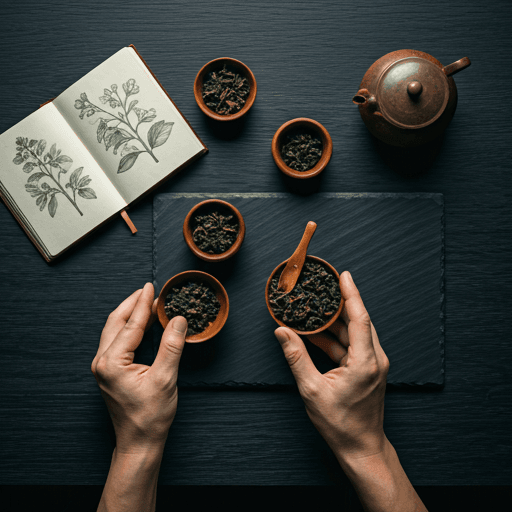
Does turmeric tea have caffeine? No — pure turmeric tea is caffeine-free. It is a herbal infusion, or tisane, made from turmeric, the golden root you also know as a kitchen spice, and not from the tea plant (Camellia sinensis), so it carries no caffeine and will not act as a stimulant. The one real exception is a blend that adds green or black tea, or a bottled drink that includes tea — so when caffeine matters to you, it always pays to check the label.
Does turmeric tea have caffeine? The short answer
If you only want the headline: is turmeric tea caffeine free? Yes. A cup brewed from plain turmeric — whether you simmer the fresh root, stir in the dried powder, or drop in a pure turmeric tea bag — has effectively zero caffeine. It counts as a tisane, a drink made by steeping something other than the tea plant, in the same family as chamomile, peppermint and ginger infusions.
The word "tea" on the box is doing a lot of loose work here. In everyday speech we call almost any hot steeped drink a "tea," but in the strict sense only leaves from Camellia sinensis — the plant behind black, green, oolong, white and pu-erh — are true tea, and those are the ones that naturally contain caffeine. Turmeric is a spice, so a turmeric brew sits firmly on the caffeine-free side of the line. If you want the wider picture of which steeped drinks do and do not contain the stimulant, our guide to caffeine-free tea explained lays out the whole map.
Why turmeric tea has no caffeine
Caffeine is not sprinkled evenly across the plant kingdom. It is a natural compound that only a handful of species produce, most famously the tea bush and the coffee shrub, plus a few others such as cacao (in small amounts), yerba mate and guarana. Turmeric is not one of them.
Botanically, turmeric (Curcuma longa) is a rhizome — an underground stem, cousin to ginger — and rhizomes in this family simply do not make caffeine. So there is no route for the stimulant to end up in your cup: you are steeping a root, and roots of this kind carry none. That is why the turmeric tea caffeine content is essentially nil, no matter how strong or how golden you brew it. A more concentrated, deeper-colored cup gives you more turmeric flavor and color, but it does not conjure caffeine that was never in the ingredient to begin with. For the flip side — why true tea leaves do hold caffeine and roughly how much — see our explainer on whether tea contains caffeine.
The exception: turmeric blends and bottled drinks
Here is the catch worth remembering. "Turmeric tea" on a label does not always mean turmeric alone. Some products are deliberate blends, and a few of those carry real caffeine:
- Turmeric-and-green-tea or turmeric-and-black-tea blends. Plenty of wellness-style tea bags pair turmeric with actual green or black tea leaves. Those do contain caffeine, because the true-tea portion brings it — usually less than a straight cup of green or black tea, since the leaf is only part of the mix.
- A "turmeric latte" or golden-milk drink made with a tea bag. Most golden-milk recipes are pure turmeric, spices and milk, and stay caffeine-free. But a café or packet version built on a chai base or a green-tea bag will pick up caffeine from that base, not from the turmeric.
- Bottled and instant turmeric drinks. Some ready-to-drink turmeric beverages and instant sachets add green-tea extract, black tea or even a little added caffeine for an energy angle. The only reliable way to know is to read the ingredient list.
By contrast, the classic combinations most people brew at home stay caffeine-free: plain turmeric, turmeric with black pepper and lemon, and the popular turmeric tea variations spiced with cinnamon or honey all keep zero caffeine. A ginger-and-turmeric cup is caffeine-free too, since ginger is another caffeine-free rhizome. If a product does not list any true tea (no green, black, oolong, white or "tea leaf") among its ingredients, you are almost certainly looking at a caffeine-free tisane.
Turmeric tea caffeine content at a glance
Because so many "turmeric" products differ, it helps to compare the caffeine in turmeric tea against a couple of familiar reference points. These are rough, hedged ranges — actual numbers vary a lot by brand, leaf, dose and how long you steep.
| Drink | Typical caffeine (per cup) | Notes |
|---|---|---|
| Pure turmeric tea (root, powder or turmeric-only bag) | None (0 mg) | A caffeine-free tisane; no tea plant involved |
| Turmeric blend with green or black tea | Some — often ~15–40 mg | Caffeine comes from the added true tea, not the turmeric; varies by blend |
| Green tea (for comparison) | ~25–50 mg | A true tea, so it naturally contains caffeine |
| Brewed coffee (for comparison) | ~80–100 mg | Included as a high-caffeine benchmark |
The takeaway: if the cup is turmeric only, treat it as zero. If it is a blend, treat it as "some, but usually modest," and lean on the label rather than a guess.
What turmeric tea tastes like and how it is drunk
Flavor-wise, turmeric tea is warm, earthy and gently peppery, with a faint bitterness and that unmistakable golden color. On its own it can taste quite savory, which is why most people brighten and round it out. Common partners are freshly ground black pepper (a traditional pairing), a squeeze of lemon, a slice of ginger, a touch of honey, or a splash of milk for a creamier golden-milk style.
Because there is no caffeine to balance, turmeric tea is often treated as a comfort drink rather than a pick-me-up — something to sip slowly, warm the hands, and enjoy for its aroma. We keep the full method, ratios and spice options in our step-by-step on how to make turmeric tea, so this piece stays focused on the caffeine question rather than the recipe.
Can you drink turmeric tea in the evening?
Yes — for most people, an evening cup is one of the nice things about a caffeine-free drink. Since pure turmeric tea has no caffeine, it will not deliver the alertness jolt that a late coffee or a strong black tea might, and many people specifically choose it as a warm, cozy nighttime option. That is exactly why turmeric tea, like other herbal infusions, shows up so often in wind-down routines.
Two small caveats, kept general. First, if you drink a turmeric blend that includes green or black tea, then that version is not caffeine-free, and a large or late serving could affect sleep for caffeine-sensitive people. Second, everyone's tolerance is different, so if caffeine affects you strongly — or you are unsure how a product will sit with you — stick to plainly labeled caffeine-free turmeric products in the evening, and check with your own healthcare provider if sleep is a concern.
A light note on turmeric tea and wellness
Turmeric has a long history in traditional wellness and cooking, and many people simply enjoy turmeric tea as a warming, flavorful ritual. We are keeping this strictly non-medical: this article is about caffeine, not health outcomes, and we are not making any therapeutic claims for turmeric or its compounds.
A few sensible, general points. Turmeric is often paired with black pepper and a little fat because that combination is traditionally thought to help the body take up its active compounds — but treat that as culinary lore, not a health promise. If you are pregnant, have gallbladder issues, are taking medication (turmeric may interact with some), or are planning a procedure, talk to your own healthcare provider before making turmeric tea a daily habit. Responses vary from person to person, and this is not medical advice.
The bottom line
So, does turmeric tea have caffeine? On its own, no — it is a caffeine-free root tisane you can enjoy any time of day, including the evening, without a stimulant kick. The only thing to watch is a blend or bottled product that quietly adds green or black tea, which is where any caffeine comes from. Read the ingredient list, and if you see nothing but turmeric and spices, pour with confidence and let the golden color do its thing.