
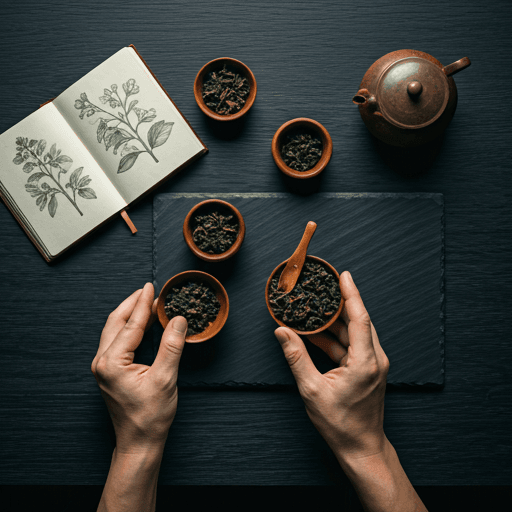
Does guava leaf tea have caffeine? No — a genuine cup of guava leaf tea is caffeine-free. It is a herbal infusion made from the leaves of the guava tree, not from the leaves of the tea plant, so there is no caffeine in it and no caffeine buzz to expect. The only realistic way your cup ends up with caffeine is when the guava leaf is blended with green or black tea, or when a fruity product sold as "guava tea" is really a flavoured true tea in disguise.
Does guava leaf tea have caffeine? The short answer
If you just want the headline, here it is: guava leaf tea caffeine content is effectively zero. Pure guava leaf tea belongs to the family of herbal infusions — a tisane — rather than to the world of caffeinated teas like green, black, white and oolong. So yes, guava leaf tea is caffeine free, and it will not act as a pick-me-up the way a mug of coffee or a strong black tea does.
This puts guava leaf in the same broad category as chamomile, peppermint, rooibos, ginger and hibiscus: plants brewed like tea, sipped like tea, but naturally without the stimulant. If you are steering clear of caffeine for sleep, sensitivity or simple preference, a straightforward guava leaf brew fits comfortably into that plan. For the wider picture of which brews carry a stimulant and which do not, our guide to caffeine-free tea lays out the full landscape.
Why guava leaf tea has no caffeine
Caffeine in your cup comes almost entirely from one plant: Camellia sinensis, the evergreen shrub whose leaves become green, black, white, oolong and pu-erh tea. Guava leaf tea does not come from that plant at all. It is brewed from the leaves of the guava tree (Psidium guajava), a completely different species grown mainly for its fruit. Because the guava tree does not produce caffeine in its leaves, an infusion of those leaves has none to give.
That is the whole mechanism in a single line: no Camellia sinensis, no caffeine. It is the same reason peppermint "tea" or ginger "tea" are caffeine-free — the word "tea" in everyday speech simply means "a hot drink made by steeping a plant," not "a drink that contains caffeine." Nothing about how you brew guava leaf changes this. Steeping it longer, hotter or stronger cannot create caffeine that was never in the leaf to begin with; it only pulls out more flavour and a little more astringency. For the deeper explanation of where caffeine actually comes from and which drinks carry it, see does tea contain caffeine and our overview of what herbal tea is.
What guava leaf tea tastes like and how it is served
Flavour-wise, guava leaf tea is gentle rather than dramatic. Most people describe it as mild, green and earthy, with a faintly leafy, slightly astringent finish — closer to a soft green herbal steep than to the sweet, tropical taste of guava fruit itself. It is usually pale gold to light green in the cup and takes well to a squeeze of lemon, a little honey or a slice of ginger if you want to round it out.
It is prepared like most leaf tisanes: dried or fresh guava leaves steeped in hot water for several minutes, then strained. You can drink it hot or chilled over ice. Because none of that alters the caffeine story, we will keep the how-to brief here — for a full walk-through of what the drink is, how to prepare it and the customs around it, see our dedicated guava leaf tea guide.
The exception: when a "guava tea" does contain caffeine
Here is the one place people get caught out. Not every product with "guava" on the label is a pure herbal infusion. There are two common situations where caffeine sneaks into a cup of guava tea:
- Guava-leaf-plus-true-tea blends. Some wellness blends combine guava leaf with green or black tea for extra body and colour. The guava leaf itself still has no caffeine, but the green or black tea base does — so the finished blend is caffeinated.
- Fruity "guava tea" that is really flavoured true tea. Many supermarket "guava" teas are black or green tea flavoured with guava fruit or aroma. These are caffeinated teas wearing a fruity name, not guava-leaf tisanes at all.
The fix is simple: read the ingredient list. If it names only guava leaves — or guava leaf plus other herbs like lemongrass or mint — it is caffeine-free. If it lists green tea, black tea or "Camellia sinensis," then it carries caffeine from that base. When a product is vague, treat a fruit-flavoured "guava tea" as a caffeinated tea until the label proves otherwise. This is the single most useful habit for anyone tracking guava tea caffeine content across different brands.
Guava leaf tea caffeine content, compared
To put the caffeine in guava leaf tea in context, here is how a typical cup of pure guava leaf tea stacks up against the drinks people most often compare it to. The figures are rough per-cup ranges and vary widely by leaf, brand, brewing strength and cup size, so treat them as ballpark rather than exact.
| Drink | Caffeine (per cup, approx.) | Notes |
|---|---|---|
| Guava leaf tea (pure) | None | Herbal tisane from guava leaves — no caffeine at all |
| Guava-flavoured black tea | ~40-70 mg | Caffeine comes from the black tea base, not the guava |
| Green tea | ~20-45 mg | From Camellia sinensis; varies by leaf and steep |
| Coffee (brewed) | ~80-100 mg | Typical drip cup; espresso differs by serving size |
The takeaway is clear: a pure guava leaf infusion sits at the very bottom of that ladder — a flat zero — while anything built on a green or black tea base climbs up it. So when you ask "is guava leaf tea caffeine free," the honest answer is that the leaf always is; only the company it keeps in a blend can change the result.
Is guava leaf tea okay in the evening?
Because it is caffeine-free, guava leaf tea is generally an easy fit for the evening or the wind-down hours, when many people prefer to avoid a stimulant. There is no caffeine in it to keep you wired, so a late cup should not disrupt sleep the way a strong coffee or black tea might. It also makes a reasonable warm drink to reach for when you have already hit your caffeine limit earlier in the day and still want something in the mug.
That said, responses vary from person to person. Some people are simply sensitive to warm drinks close to bedtime, to a lot of fluid before sleep, or to particular herbs a blend might contain. Let your own experience guide the timing, and if you are drinking a "guava tea" that turned out to be a green- or black-tea blend, remember that it does carry caffeine and is better kept to earlier in the day.
A light note on guava leaf tea and wellness
Guava leaf tea has a long place in folk and traditional drink customs, where it is often talked about in connection with digestion and, in some traditions, blood sugar. It is worth being clear-eyed here: these are traditional talking points, and research suggests interest rather than proof. This article is about caffeine, not health outcomes, and none of the above should be read as medical advice — guava leaf tea is not a treatment for any condition.
Responses vary from person to person, and this is not medical advice. If you are pregnant or breastfeeding, manage diabetes or your blood sugar, or take any medication, check with your own healthcare provider before making guava leaf tea a regular habit — some herbs can interact with medicines or existing conditions, and a professional who knows your history is the right person to ask.
The bottom line
So, is guava leaf tea caffeine free? Yes — a pure cup has no caffeine at all, because it is brewed from guava-tree leaves rather than the caffeinated tea plant. The only caffeine you will ever find under a "guava tea" name comes from a green- or black-tea blend, or from a fruit-flavoured true tea, and a five-second glance at the ingredient list will tell you which one you are holding. Brew it hot or iced, morning or night, and enjoy it for what it is: a gentle, caffeine-free herbal cup.