
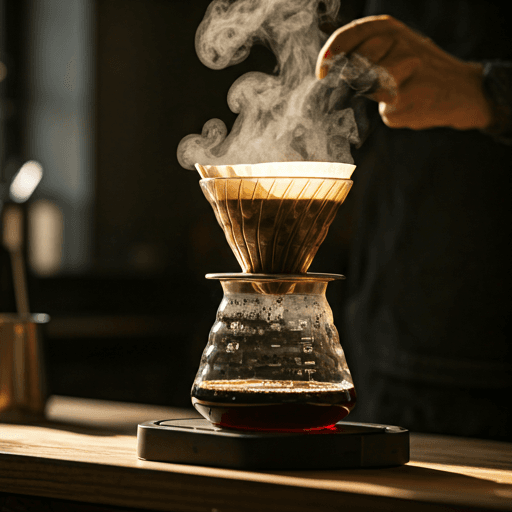
A red eye and a plain cup of black coffee can look almost identical, but the difference in red eye vs black coffee comes down to one thing: an espresso shot. A red eye is a cup of regular black (drip) coffee with a shot of espresso dropped in, which makes it bolder and higher in caffeine, while plain black coffee is simply brewed coffee with nothing added. Everything else — the dark color, the absence of milk or sugar, the no-frills attitude — is basically the same.
So if you have ever wondered whether a red eye is just strong black coffee, the honest answer is close but not quite: it is black coffee plus a concentrated shot layered on top. Below we break down what each drink is, how they taste, how much caffeine each carries, and when it makes sense to reach for one over the other.
Red eye vs black coffee: the short answer
Both drinks start from the same place — brewed coffee, served plain. The difference between red eye and black coffee is a single addition. Pull a shot of espresso, pour it into an ordinary cup of drip coffee, and you have a red eye. Leave the cup alone and you have black coffee. That one shot changes the strength, the caffeine load and, to a lesser degree, the flavor, but it does not change the fundamental character: both are dark, unsweetened, milk-free coffees for people who like their brew straight.
What black coffee is
Black coffee is brewed or drip coffee served on its own, with no milk, cream, sugar or syrup added. It is the baseline of the coffee world — hot water passed through ground roasted beans, poured into a mug, and drunk as-is. The flavor depends almost entirely on the beans, the roast level and the brew method, so a light-roast pour-over and a dark-roast batch brew can taste worlds apart while both still count as black coffee.
Because nothing masks the coffee, black coffee tends to read as clean, smooth and comparatively light in body next to an espresso-based drink. It is the reference point everything else is measured against. For the full picture of how it is defined and brewed, see our guide to what black coffee is, and for how the plain cup differs from an espresso base, our explainer on espresso vs drip coffee.
What a red eye is
A red eye is that same cup of drip or black coffee with one shot of espresso added to it. The espresso is pulled separately and stirred in, so you get the volume of a normal mug of coffee with an extra hit of concentrated, caffeine-dense espresso riding on top. The name is folklore: it nods to the overnight “red-eye” flights that leave travelers bleary and in need of a strong pick-me-up.
The red eye is the first rung of a small ladder of drip-plus-espresso orders. Add a second shot and it becomes a black eye; add a third and it is a dead eye. We cover the naming, the history and the full ladder in the dedicated red eye coffee guide — here we are focused strictly on how the one-shot red eye stacks up against plain black coffee.
The key difference: one espresso shot
The whole story of red eye vs black coffee is that added espresso shot. It does three things. First, it raises the caffeine, because a shot of espresso brings its own dose on top of whatever the drip cup already had. Second, it deepens the intensity: espresso is a concentrated extraction, so it adds a layer of bold, slightly bittersweet, fuller-bodied coffee flavor over the lighter drip base. Third, it changes the texture a touch, since espresso carries a bit of crema and a heavier mouthfeel than filtered coffee.
Black coffee has none of that extra layer. It is a single brew, so its strength is capped by the brew method and the coffee-to-water ratio. You can brew black coffee stronger by using more grounds, but you cannot make it as concentrated as an espresso shot without changing what it is. That is the practical line between black coffee vs red eye: black coffee is one brew, a red eye is a brew with a shot bolted on.
Red eye vs black coffee at a glance
| Attribute | Red eye | Black coffee |
|---|---|---|
| What it is | Drip/black coffee plus one espresso shot | Brewed or drip coffee, served plain |
| Components | Two: drip base + espresso shot | One: brewed coffee only |
| Caffeine (rough) | Often ~150–175+ mg per serving | Roughly ~95 mg for a standard mug |
| Strength | Bolder, more concentrated on top of the base | Smoother, lighter, single-brew intensity |
| Flavor | Layered — drip plus a bittersweet espresso edge | Clean and even, driven by the beans and roast |
| Body/texture | Slightly fuller, a hint of crema | Lighter, filtered mouthfeel |
| Milk or sugar | None (by default) | None (by default) |
| Best for | When a normal cup is not quite enough | An everyday, all-day cup |
Numbers above are rough and vary widely by bean, roast, cup size and how the shot is pulled — treat them as ballpark, not precise.
Taste and strength compared
Side by side, a red eye tastes bolder and more layered. The drip coffee gives it length and a familiar brewed character, while the espresso shot adds a concentrated, roasty, faintly bittersweet punch and a slightly thicker feel. It is the same easy-drinking cup you know, with the volume turned up. Black coffee, by contrast, is smoother and more transparent: without the shot, its acidity, sweetness and body come through cleanly and evenly, which is exactly why many people prefer it for slow, all-day sipping.
Neither is objectively better — they serve different moods. If you love the taste of espresso but want more than a two-ounce shot, a red eye scratches that itch. If you want the pure flavor of a particular coffee without an espresso layer sitting over it, black coffee is the cleaner canvas. Worth noting that a red eye differs from an americano compared with black coffee: an americano is espresso diluted with hot water, whereas a red eye keeps the full drip cup and adds a shot on top, so the red eye ends up stronger and more caffeinated.
Caffeine: how they compare
This is where red eye coffee vs regular coffee really diverges. A standard mug of drip black coffee lands somewhere around ~95 mg of caffeine, though that swings with cup size and beans. A single espresso shot typically adds roughly ~63–80 mg on top. Stack them and a red eye often comes in around ~150–175 mg or more per serving — comfortably above a plain cup, sometimes close to double, depending on the pour.
All of these figures are approximate and depend on roast, grind, dose, extraction and serving size, so use them as a guide rather than a guarantee. Caffeine also affects everyone differently, and how much is comfortable for you depends on your own tolerance and sensitivity — responses vary, this is not medical advice, and if caffeine, sleep, pregnancy, reflux or medications are a concern for you, that is a question for your own healthcare provider.
The red eye ladder in brief
The red eye is the entry point of a short, caffeine-climbing lineup built on the same idea: drip coffee plus espresso shots. In brief, a red eye adds one shot, a black eye adds two, and a dead eye adds three — each step layering more espresso, more intensity and more caffeine onto the drip base. The names and their origins are a bit of coffee-shop lore in their own right; we unpack the whole ladder, plus regional variations, in the full red eye coffee guide. For the purposes of comparing against black coffee, the takeaway is simple: the red eye is the mildest of the shot-boosted cups and the closest to a plain brew.
When to choose each
Reach for black coffee when you want an easy, everyday cup — something to nurse through a morning, sip alongside food, or drink several of without a heavy caffeine load. It is the sensible default, gentle in strength and honest in flavor.
Reach for a red eye when a normal cup is not cutting it: an early start, a long night ahead, a mid-afternoon wall, or simply a craving for a bolder, espresso-tinged cup. It gives you the volume of drip coffee with the extra kick and depth of a shot, without turning into a milky specialty drink. Think of it as black coffee with a booster — same spirit, more horsepower.
The bottom line
Is a red eye just strong black coffee? Almost. It is black coffee with an espresso shot stirred in, which makes it bolder, fuller and noticeably more caffeinated, while black coffee stays a clean, single-brew cup. If you want the difference between red eye and black coffee in one line: same dark, unsweetened base, but the red eye adds a shot — and that shot is the entire story.