
In the americano vs black coffee question, the short answer is that both are black, milk-free coffees — but they are made in completely different ways. An americano is espresso diluted with hot water, so it is built from pressurised shots and keeps a fuller, roastier body and a whisper of crema. "Black coffee" usually means coffee brewed by gravity — drip, filter or pour-over — which comes out lighter, cleaner and often more nuanced. Neither drink has milk or sugar, yet they taste noticeably different.
So is an americano just black coffee? Technically it is a black coffee, but it is not the black coffee most people picture. The distinction is all in the brewing method, and that method shapes the body, the crema and the flavour in the cup. Here is how the two compare, and how to choose between an americano or black coffee.
Americano vs black coffee: the short answer
Both drinks are simply coffee and water with nothing added. The split is where that water meets the grounds:
- Americano: one or two shots of espresso are pulled under pressure, then lengthened with hot water. It is espresso first, water second.
- Black coffee: in everyday use this means gravity-brewed coffee — drip machine, pour-over or French press — where hot water passes slowly through medium-ground coffee and drains into the pot.
That single difference — pressurised espresso plus water versus gravity through grounds — is why the difference between americano and black coffee shows up as body, crema and clarity, even though both are jet black and calorie-free.
What an americano is
An americano is espresso stretched with hot water. You pull a standard shot or two — a small, concentrated, pressure-brewed base — and top it up with hot water until it fills a mug at the strength you like. Because the espresso is made first and diluted afterwards, it keeps the syrupy body and roasty depth of a shot, along with a thin layer of crema on top. For the full method, ratios and the long black variation, see our guide to what an americano is; the base shot itself is covered in what an espresso shot is. Here the point is simpler: an americano is espresso wearing a bigger, more diluted coat.
What "black coffee" typically means
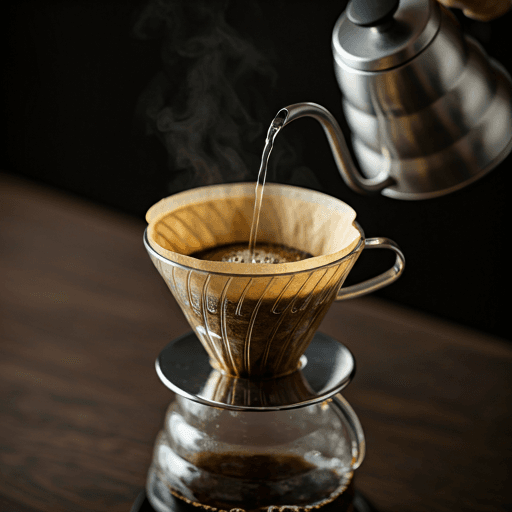
"Black coffee" is really a way of ordering — coffee with no milk, cream or sugar — but in practice most people mean gravity-brewed coffee served plain. Think of a drip machine at home, a pour-over cone, a French press or filter coffee: hot water trickles through a bed of medium-ground coffee, extracts it over several minutes, and drains into the cup. The result is a large, clean, easy-drinking mug. Because it is not made under pressure, there is no crema, and the body is lighter and more tea-like than espresso. Our guide to what black coffee is digs into the term itself; for the record, an americano taken without milk is technically black coffee too — it is just built from espresso rather than brewed by gravity.
The key difference: espresso and water vs gravity-brewed grounds
The whole americano-versus-black-coffee story comes down to how the coffee is extracted.
An americano starts with espresso: very fine grounds packed into a basket, with hot water forced through them at around nine bars of pressure in roughly 25 to 30 seconds. That pressure pulls out a dense, aromatic shot with emulsified oils and a caramel-coloured crema. Adding hot water afterwards makes it mug-sized without changing what was extracted — so the drink keeps espresso's heavier body and roastier character.
Black coffee, by contrast, is extracted by gravity alone. A coarser grind and a paper or metal filter meet water for minutes rather than seconds, with no pressure involved. That gentler process highlights the brighter, more delicate flavours in the beans and produces a cleaner cup with little to no oil or crema. The upshot: same two ingredients, opposite mechanics — and that is what you taste.
Strength and caffeine
Both drinks are essentially calorie-free when taken plain, so the interesting question is caffeine — and here the answer is often "roughly similar, but it depends." Caffeine tracks the dose of coffee and the number of shots far more than the label on the drink, and any figures are only rough guides.
A single-shot americano carries roughly the caffeine of one espresso shot — often cited somewhere around 60 to 80 mg — no matter how much hot water you add, because water dilutes flavour but adds no caffeine. Make it a double and it climbs accordingly. A full mug of drip or filter black coffee is commonly put in a similar ballpark, frequently around 90 to 120 mg for a large cup, simply because there is more brewed coffee in the cup. So a big mug of black coffee often edges out a single-shot americano, while a double-shot americano can match or beat it. Per millilitre, espresso is far more concentrated; per serving, the totals land close enough that the choice rarely comes down to caffeine alone. Responses to caffeine vary from person to person, and none of this is medical advice.
How they taste
An americano tastes rounder and roastier. Because it is diluted espresso, it keeps the shot's fuller body, its gentle bitterness and a hint of that syrupy espresso character, softened by the added water. The thin crema gives it a slightly richer look and mouthfeel. It is smooth and satisfying, and easy to make stronger or weaker by adjusting how much water you pour.
Black coffee from a drip machine or pour-over tastes cleaner and brighter. Without pressure and oils, more of the bean's delicate, nuanced notes — florals, fruit, tea-like clarity — come through, especially with a lighter roast and a paper filter. It is lighter-bodied and, to many palates, more refreshing to drink by the mugful. If you want intensity and roast, lean americano; if you want clarity and easy volume, lean black coffee. This is a different comparison from the americano vs lungo question, which pits two espresso-based long blacks against each other rather than espresso against gravity brewing.
Americano vs black coffee at a glance
| Attribute | Americano | Black coffee |
|---|---|---|
| How it is made | Espresso shots plus hot water | Gravity brewing — drip, filter, pour-over, French press |
| Brewing method | Pressure (about 9 bars), then diluted | Gravity through grounds, over minutes |
| Grind | Very fine, packed | Medium to coarse |
| Body | Fuller, rounder, slightly syrupy | Lighter, cleaner, more tea-like |
| Crema | Thin layer present | None |
| Flavour | Roastier, more intense | Brighter, more nuanced |
| Typical size | Adjustable — splash to a full mug | Large mug (~240-350 ml) |
| Caffeine (rough guide) | Tracks the number of shots | Tracks the mug size; a big cup often a little more |
| Calories | Near zero | Near zero |
| Usual setting | Café or home espresso machine | Home drip pot, filter or pour-over |
Which should you choose?
Choose an americano when you have an espresso machine or you are ordering at a café — it is the way to turn a shot into a long, roasty, full-bodied black coffee, and you can dial the strength up or down with the water. It is also the natural pick if you like espresso's depth but want a bigger drink to sip slowly.
Choose plain black coffee when you are brewing a pot at home with a drip machine, pour-over or French press, or when you want a cleaner, brighter, easy-drinking mug without any espresso kit. It is simpler to make in volume and lets the more delicate flavours of a good bean shine. Neither is "better" — the difference between an americano and black coffee is really a difference of gear, body and mood.
So, americano or black coffee? If you crave a rounder, roastier cup and have shots on tap, the americano wins. If you want a light, clean mug you can brew by the potful, black coffee is your drink. Both prove that with nothing but coffee and hot water, the method alone can give you two genuinely different experiences in the cup.