
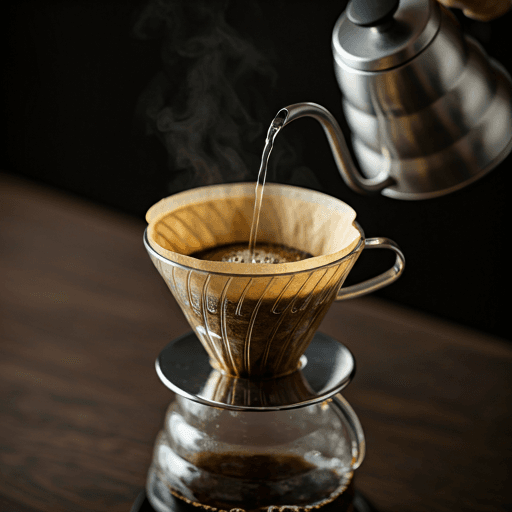
Espresso vs drip coffee is really a story of two ways to brew the same bean, and the headline difference is pressure versus gravity. Espresso forces hot water through finely ground, tightly packed coffee under roughly nine bars of pressure in about 25 to 30 seconds, producing a tiny (around 30 ml), intense, syrupy shot capped with a layer of crema. Drip coffee — filter machines and pour-over cones alike — simply lets gravity pull hot water through a medium grind and a paper filter over a few minutes, giving a big (around 250 ml), lighter, cleaner mug. Same coffee cherry, wildly different cup.
Neither is "better." They are built for different moments: a concentrated hit or the base of a milk drink on one side, an easy, generous, everyday cup on the other. Below is how the two methods actually diverge, from grind and gear to strength, taste and caffeine.
Espresso vs drip coffee: the key difference
The core of the espresso vs drip coffee question comes down to three linked variables — pressure, grind size and contact time — and they move together.
Espresso uses pressure. A pump drives water at about nine bars through a compressed puck of very fine, flour-like grounds. Because the water is under force and the grounds are packed tight, contact is fast: a shot pulls in roughly 25 to 30 seconds. That short, high-pressure extraction pulls oils, dissolved solids and CO2 into the cup, which is why espresso emulsifies into a thick body and forms crema, the golden-brown foam on top. For a deeper look at what that concentrated pour actually is, see our guide to what an espresso shot is.
Drip coffee uses gravity. Hot water is poured or dripped over a medium grind sitting in a paper (or metal) filter, and it trickles through over two to four minutes before falling into the pot below. There is no pressure and no packing — just water finding its way down through the bed and the paper catching the fine particles and most of the oils. That slower, gentler pass produces a clean, free-flowing cup rather than a concentrated shot. Our explainer on what drip coffee is covers the filter-brewing family in more detail.
Grind size follows directly from all this: espresso needs a fine grind so the packed puck can resist nine bars without the water blasting straight through, while drip wants a medium grind so gravity water can percolate at a steady pace. Push a drip grinder's coffee into an espresso machine and it channels; use espresso-fine grounds in a filter and it clogs and over-extracts. Dialing either in is its own craft — if you want to go deeper on doses and yields, our coffee brewing ratios guide breaks down the numbers.
Strength and taste
This is where drip coffee vs espresso feels most obvious in the cup. Espresso is concentrated and bold: heavy-bodied, syrupy, sometimes almost chewy, with intense flavor packed into a couple of sips. Because so much is dissolved into so little water, small details — a hair more or less extraction — swing the taste from bright and sweet to sour or bitter. That intensity is exactly why espresso is the base of cappuccinos, lattes and flat whites; it is strong enough to stand up to steamed milk without disappearing.
Drip coffee is milder, cleaner and easier to drink by the mugful. The paper filter traps oils and fine sediment, so a filter cup tastes more transparent and tea-like, often showing off delicate, nuanced notes — florals, fruit, subtle acidity — that a dense espresso can bury. There is less body and no crema, but more room to sip slowly and taste the coffee's origin character. If espresso is a spotlight, drip is soft, even lighting across the whole cup.
So the honest answer to "which tastes stronger?" depends on what you mean by strong. Espresso is more intense per sip; drip is more drinkable per cup. Many people happily keep both: a quick espresso to punch up the morning, drip for the long, refill-friendly stretch of the day.
Caffeine: is espresso stronger than drip?
Here is the twist that trips a lot of people up. Yes, espresso is far more concentrated per milliliter — but that does not settle whether espresso is stronger than drip on total caffeine. A single ~30 ml shot of espresso carries roughly 60 to 80 mg of caffeine (numbers vary by bean, roast, dose and grind, so treat any figure as a rough guide). A full ~250 ml mug of drip coffee often lands somewhere around 90 to 150 mg.
In other words, one small shot usually delivers less total caffeine than a big mug of drip, even though it feels far more powerful on the tongue. The intensity you taste is concentration, not necessarily a bigger caffeine dose. Of course, a double shot or two closes the gap fast, and café drinks built on two or three shots can easily out-caffeinate a mug. Responses to caffeine vary from person to person, and this is general information rather than medical advice. For the finer print on how much a shot really contains and what shifts it, see caffeine in espresso.
Gear and effort
The equipment gap is wide, and it is often the deciding factor for espresso or drip coffee at home.
Espresso asks for more. You need an espresso machine capable of holding around nine bars of pressure, plus a good burr grinder that can reach an espresso-fine, adjustable grind — grind consistency matters even more here than in filter brewing. Then there is technique: dosing, distributing and tamping the puck level, dialing in the grind so shots run in the right time, and cleaning the group and portafilter after. It is rewarding, but it is a skill and a routine.
Drip coffee is refreshingly low-friction. A basic automatic drip machine needs only grounds, water and a filter; press a button and walk away, and many can brew a whole pot at once. A manual pour-over cone is even simpler — a cone, a paper filter, a kettle and a little patience. There is no pressure to manage and far more margin for error, which is why filter brewing is the default for big batches, offices and easy mornings.
Which should you choose?
Choose espresso if you want a short, intense hit of coffee, love a thick, crema-topped shot, or want the foundation for milk drinks like lattes and cappuccinos — and you are happy to invest in the gear and the practice. Choose drip coffee if you want an easy, larger, everyday cup, prefer a cleaner and more nuanced brew you can sip and refill, or you are making coffee for more than one person without fuss.
The difference between espresso and drip coffee is not really about quality — great coffee lives on both sides. It is about the experience you are after in that moment: the concentrated ritual of a pulled shot, or the generous, no-drama mug that carries you through the day.
Espresso vs drip coffee at a glance
| Attribute | Espresso | Drip coffee |
|---|---|---|
| Brew force | ~9 bar pump pressure | Gravity only |
| Grind | Very fine, packed | Medium, loose |
| Contact time | ~25–30 seconds | ~2–4 minutes |
| Serving size | ~30 ml shot | ~250 ml mug |
| Body & texture | Thick, syrupy, heavy | Light, clean, tea-like |
| Crema | Yes | No |
| Caffeine per ml | Much higher | Lower |
| Caffeine per serving | Often less (one shot) | Often more (full mug) |
| Gear | Machine + fine grinder + skill | Drip machine or pour-over cone |
| Effort | Higher, technique-driven | Low, forgiving |
| Best for | Quick intense shot; milk drinks | Easy, larger, everyday cup |
Once you see it as pressure versus gravity, everything else — the fine grind, the tiny cup, the crema, the caffeine math — falls into place. Keep an espresso setup for the days you want intensity and milk drinks, and a drip brewer for the days you just want a good, generous cup with zero drama. Most coffee lovers end up wanting a little of both.