
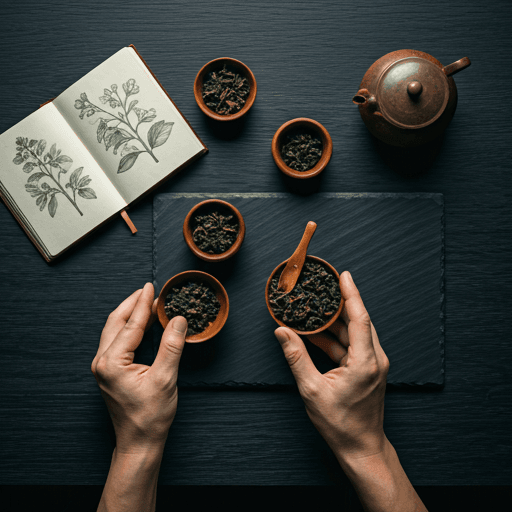
Does dandelion tea have caffeine? No — it does not. Whether it is brewed from the roasted root or from the dried leaves and flowers, dandelion tea is naturally caffeine-free, because it comes from the dandelion plant rather than the tea plant (Camellia sinensis). That is exactly why roasted dandelion "coffee" has become a popular caffeine-free swap for people who want a warm, roasty cup without the buzz.
Does dandelion tea have caffeine? The short answer
The short answer is refreshingly simple: dandelion tea contains no caffeine. This holds true across every common form of it. Dandelion root tea, dandelion leaf tea, and the roasted "dandelion coffee" you see on shop shelves are all caffeine-free, because none of them use any part of the actual tea plant.
So if you have been asking whether dandelion tea caffeine is something you need to plan your day around, you can relax — there is essentially none to count. The only way a dandelion drink picks up caffeine is if it is deliberately blended with a true tea, and we will cover that exception below. On its own, dandelion is an herbal tisane, and it sits firmly in the caffeine-free camp alongside chamomile, peppermint, and rooibos.
Why dandelion tea is caffeine-free
Caffeine in the drinks we usually call "tea" comes from one source: the leaves of Camellia sinensis, the plant behind black, green, white, and oolong tea. Dandelion tea is not made from that plant at all. It is made from the root, leaves, or flowers of the common dandelion (Taraxacum officinale), a plant that simply has no caffeine in it to begin with.
Because of that, "dandelion tea" is really an herbal infusion, or tisane, rather than a true tea — the word "tea" here is doing loose, everyday duty. Steeping a caffeine-free plant in hot water does not somehow create caffeine; the cup only carries what the plant brings, and dandelion brings none. Roasting the root does not change that either, since caffeine is not a byproduct of roasting.
If you want the fuller picture of how this works, see our explainer on caffeine-free tea and the rundown of which teas actually contain caffeine. For where dandelion sits within the wider family of herbal brews, our guide to herbal tea is a helpful map.
Roasted dandelion root: the caffeine-free coffee substitute
The most talked-about version of this drink is roasted dandelion root, often sold and served as "dandelion coffee." The root is cleaned, chopped, and roasted until it turns dark and develops a deep, toasty aroma. Ground and brewed like coffee grounds, it pours a rich brown cup that looks and smells remarkably close to the real thing.
Here is the appeal: roasted dandelion coffee delivers that roasty, slightly bitter, coffee-like character with zero caffeine. That combination is the whole reason so many people reach for it. Someone winding down in the evening, someone cutting back on stimulants, or someone simply sensitive to caffeine can enjoy a warm, dark, "coffee moment" without the jolt. Dandelion coffee caffeine, in other words, is a non-issue — the roasting builds flavor, not stimulant content.
You will often see roasted dandelion root paired with chicory root, another caffeine-free roasted root with a similar bittersweet depth. The two are classic partners in coffee-alternative blends, and neither adds any caffeine to the cup.
What dandelion tea tastes like
Dandelion tea leans earthy and a touch bitter, with a green, herbaceous edge when it is made from the leaves. Roast the root and the profile shifts toward the roasty, nutty, almost chocolatey notes that make it read as coffee-adjacent. Leaf infusions tend to taste lighter and more vegetal, while root brews taste bolder, darker, and rounder.
People drink it on its own, soften it with a little honey or a splash of milk, or blend it with chicory and other roasted roots for a fuller cup. We are keeping this page focused on the caffeine question — for how to brew it well and the traditional reasons people enjoy it, head to our dandelion tea guide.
The one exception: dandelion blends
There is a single caveat to the question "is dandelion tea caffeine free." Pure dandelion is always caffeine-free, but some blended products combine dandelion with real tea or other caffeinated ingredients — a dandelion-and-green-tea blend, for instance, or a "detox" mix that folds in black tea or yerba mate. Those will carry whatever caffeine their tea component brings.
The fix is easy: read the label. If the ingredient list is only dandelion root, leaf, or flower (with, at most, other caffeine-free herbs like chicory, cinnamon, or ginger), the cup is caffeine-free. If you spot green tea, black tea, matcha, or mate in the mix, that blend does contain caffeine even though it is marketed under the dandelion name.
Dandelion tea caffeine, compared
Here is how the common dandelion drinks stack up against a regular cup of coffee. Figures for real coffee vary quite a bit by bean, grind, and brew strength, so treat them as rough guides rather than exact readings.
| Drink | Caffeine (approx., per cup) |
|---|---|
| Dandelion root tea | 0 mg — caffeine-free |
| Dandelion leaf tea | 0 mg — caffeine-free |
| Roasted dandelion "coffee" | 0 mg — caffeine-free |
| Brewed coffee | ~95 mg (varies widely) |
The pattern is clear: every dandelion option lands at zero, while a standard mug of coffee sits somewhere around 95 mg. That gap — a rich, dark, coffee-like cup with none of the caffeine — is the entire selling point of dandelion root tea caffeine-free substitutes.
Is dandelion tea okay in the evening?
Because it carries no caffeine, dandelion tea is generally an easy choice later in the day, and many people drink it in the evening for exactly that reason. Without the stimulant, it is unlikely to keep you up the way an afternoon or evening coffee might. It makes a comforting swap when you want the ritual of a warm, dark cup after dinner but not the alertness that comes with it.
That said, responses vary from person to person, so let your own comfort and habits be the guide rather than any hard rule.
A light note on wellness talk
Dandelion has a long folk reputation, and you will see plenty of "detox" and "diuretic" talk attached to it online. Those are traditional associations rather than settled facts, so it is worth keeping expectations grounded and not reading medical promises into a warm drink. Enjoy it for the flavor first, and take the sweeping claims with a healthy pinch of salt.
A few practical cautions are still worth flagging: if you are pregnant or nursing, have gallbladder or kidney concerns, or take any medication, it is sensible to check with your own healthcare provider before making dandelion tea a regular habit, since it can interact with certain conditions and drugs. Responses vary from person to person, and this is general information, not medical advice.
The bottom line
Dandelion tea has no caffeine, full stop — root, leaf, or roasted "coffee," it is a caffeine-free herbal tisane made from the dandelion plant, not the tea plant. The only thing to watch for is a blend that quietly adds real tea. Otherwise, it is one of the simplest ways to enjoy a warm, roasty, coffee-like cup without a trace of the buzz.