
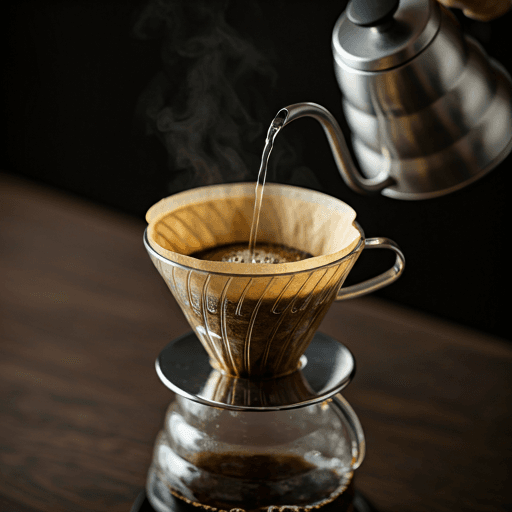
In a chemex vs french press match-up, the filter tells almost the whole story. A Chemex is a pour-over that drips hot water through a thick bonded paper filter, giving a very clean, light, bright cup with next to no sediment. A French press is a full-immersion brewer with a metal mesh plunger that lets the coffee's oils and fine grounds slip through, for a heavier, richer, more full-bodied cup. Same beans, two very different results.
Chemex vs French Press: the short answer
Both brewers are manual, both make several cups at once, and both are forgiving enough for beginners. The difference between chemex and french press comes down to how the water meets the grounds and what stands between the coffee and your cup. The Chemex uses gravity and a heavy paper filter; the French press uses a soak and a metal screen. Paper strains out oils and micro-fines for a crisp, almost tea-like clarity. Metal keeps them in for body and richness. If you want a bright, delicate, sediment-free cup, lean Chemex. If you want a bold, thick, mouth-coating one, lean French press.
What a Chemex is
A Chemex is an hourglass-shaped glass carafe with a pour-over cone built into the top. You set a thick bonded paper filter in the cone, add medium-coarse grounds, and pour hot water over them in stages. The water drains through the paper by gravity, so you control the flavor mostly through your grind, your pour, and your timing.
The signature of a Chemex cup is clarity. The paper is noticeably heavier than a standard drip filter, and it traps oils and the smallest particles, so what lands in the carafe is clean, light-bodied, smooth, and bright. That transparency is why the Chemex is a favorite for showing off a bean's aroma and its more delicate, fruity or floral notes — nothing muddies the picture. It is a brewer built to highlight what a coffee is rather than add weight of its own. For the full brewing walk-through, see our Chemex coffee maker guide.
What a French press is
A French press is a straight-sided beaker with a plunger and a metal mesh disc. You add coarse grounds, pour in hot water, let everything steep together for a few minutes, then press the mesh down to separate the liquid from the bed of grounds. Because the coffee sits fully submerged the whole time — full immersion — extraction is even and steady, with little technique required.
The result is the opposite end of the spectrum: bold, full-bodied, and a little oily, with some fine sediment settling at the bottom. The metal screen holds back the coarse grounds but lets oils and micro-fines through, which is exactly what gives French press coffee its heavy, rich, satisfying texture. It is the go-to when you want a robust, comforting mug rather than a crisp, aromatic one. Our French press guide covers ratios and plunge technique in depth.
The key difference: paper pour-over vs metal immersion
Strip away the shapes and materials and the core of french press vs chemex is a single contrast: a paper pour-over that produces a clean, light cup versus a metal immersion brew that produces a heavy, rich one. Every other difference — body, clarity, grind, cleanup — flows from that one choice of filter and method.
Body and clarity
A Chemex cup is clean, crisp, and bright, with a light, tea-like body and no grit. A French press cup is thick, rich, and textured, with more weight on the tongue and a little sediment at the bottom of the mug. Neither is "better" — they are two different pleasures. The Chemex flatters aroma and subtle flavor; the French press flatters richness and mouthfeel.
The filter
This is where the whole comparison lives. Is a chemex cleaner than a french press? Yes, and the filter is why. The Chemex's thick bonded paper physically traps the coffee's oils and the tiniest particles, so the brew pours through polished and sediment-free. A French press's metal mesh has open gaps that let those oils and fines pass into the cup — great for body, but it means a heavier, cloudier brew with grounds to settle. Paper equals clarity; metal equals texture.
Grind
The two brewers want different grinds, though there is room to experiment. A Chemex generally likes a medium-coarse grind — fine enough to extract well as the water passes through, coarse enough not to clog the heavy paper and stall the pour. A French press usually likes a coarse grind, so the mesh has less chance of letting powder through and so the coffee does not turn bitter over its longer steep. If your Chemex drains too slowly or your French press tastes gritty, grind is the first dial to adjust.
Chemex vs french press at a glance
| Attribute | Chemex | French press |
|---|---|---|
| Brew method | Pour-over (gravity) | Full immersion (steep and press) |
| Filter | Thick bonded paper | Metal mesh screen |
| Body | Light, clean, tea-like | Heavy, full-bodied, oily |
| Clarity | Bright, crisp, no sediment | Rich, some fines and sediment |
| Oils | Trapped by the paper | Pass into the cup |
| Grind | Medium-coarse | Coarse |
| Effort | A careful, steady pour | Simple, very forgiving |
| Cleanup | Lift out paper and grounds | Scoop or rinse wet grounds |
| Serving | Pours a clean carafe | Serves straight from the pot |
| Best for | Bright, aromatic, delicate cups | Bold, robust, full-bodied cups |
Characters and settings vary by bean, roast, and how you brew, so treat the table as a starting point rather than a rule.
Effort and forgiveness
A French press is about as beginner-proof as coffee gets: measure grounds and water, steep, and press. As long as your grind is coarse and your ratio is steady, it is hard to ruin, and there is no pouring skill to learn. A Chemex asks a little more. The heavy paper and gravity drain mean your pour speed and pattern shape the cup, so a slow, even circular pour and a bit of patience help. It is not difficult once you have a routine — but a rushed or careless pour shows up in the glass more than it would in a press. If you want walk-away simplicity, the press wins; if you enjoy the ritual and the control, the Chemex rewards it.
Capacity and serving
Both brewers are built for more than a single cup, which is part of why people compare them. A Chemex brews directly into its own glass carafe, so you finish with a clean, filtered pot you can pour from at the table — and because the grounds are lifted out with the paper, the coffee does not keep extracting or turn bitter as it sits. A French press serves straight from the same vessel you brewed in, which is convenient, but the coffee rests on the grounds until you pour it out, so it is best enjoyed soon after pressing. For how the press stacks up against everyday machines, see french press vs drip coffee.
Which should you choose?
Deciding chemex or french press really comes down to the cup you love. Reach for a Chemex if you like clean, bright, sediment-free coffee that spotlights aroma and delicate flavor, and you do not mind a careful pour and keeping paper filters on hand. Reach for a French press if you want a bold, heavy, full-bodied brew with rich texture, minimal fuss, and nothing to buy but the pot itself. Many coffee lovers keep both and switch by mood — the Chemex for a light single-origin in the morning, the press for a comforting, robust mug later on. If you are weighing the press against other pour-over styles too, our guide on pour-over vs french press breaks down that side of the choice.
There is no wrong answer here — only a fork between clarity and body. Once you know whether you are chasing a crisp, tea-like cup or a rich, full-bodied one, the chemex vs french press question mostly answers itself, and either brewer will reward a fresh grind and a little attention.